📑Table of Contents:
- What Is Algae in Hydroponics?
- Why Algae Grow in Hydroponic Systems
- How to Identify Algae Early
- Is Algae Harmful to Hydroponic Plants?
- The Best Prevention Strategy: Block Light
- Keep the Reservoir Clean and Cool
- Clean and Sanitize Between Crop Cycles
- Treating Existing Algae Safely
- Algae in Different Hydroponic Setups
- Common Mistakes Growers Make
- Final Thoughts
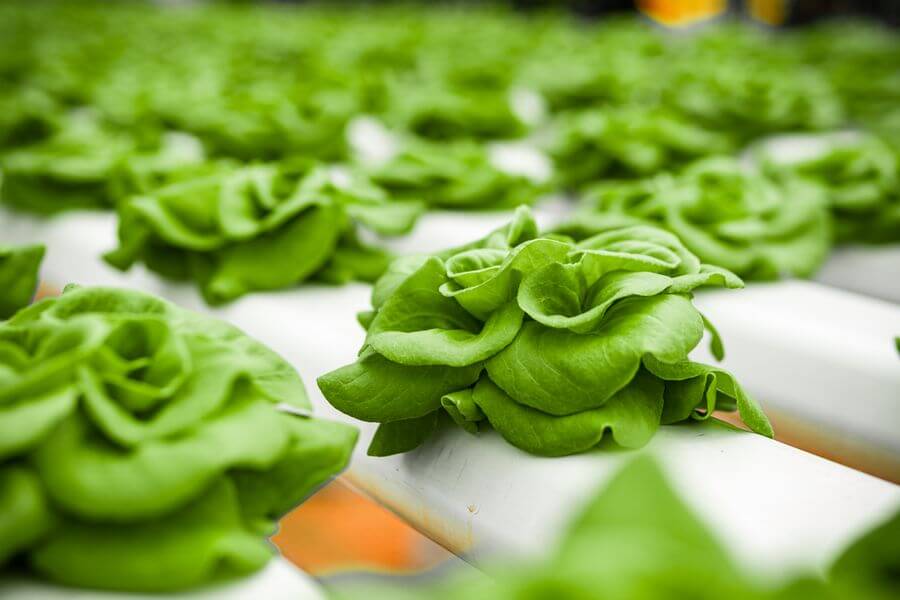
Algae in hydroponics can appear quickly when light, water, nutrients, and warmth meet in the same growing system. At first, it may look like a thin green film on rockwool, clay pebbles, reservoir walls, tubing, or tray surfaces. However, if growers ignore it, algae can spread into slimy mats, cloud the nutrient solution, clog equipment, attract pests, and reduce root-zone stability.
Because hydroponic plants depend on clean water and healthy roots, algae deserve attention early. It usually does not destroy a crop overnight, but it often signals a system problem. Light may be reaching the nutrient solution. The reservoir may run too warm. Dead plant material may sit in the tray. Or the grower may need a better cleaning routine. Therefore, algae control works best when you fix the cause rather than just wiping away the symptoms.
What Is Algae in Hydroponics?
Algae are simple photosynthetic organisms that grow when they receive light, moisture, nutrients, and suitable temperatures. In hydroponics, algae often appear green, but they may also look brown, yellowish, reddish, or black depending on the organism and conditions. Most growers first notice it on exposed, wet surfaces.
You may see algae on:
- Rockwool cubes
- LECA or clay pebbles
- Net cups
- Reservoir lids
- Nutrient channels
- Drip lines
- Air stones
- Tray corners
- Clear tubing
- Exposed water surfaces
Algae spread because spores and cells exist naturally in the environment. Once they land in a warm, nutrient-rich, lit area, they can multiply. Additionally, hydroponic fertilizer provides algae with many of the same nutrients crops need. That is why algae prevention focuses heavily on blocking light, improving hygiene, and managing water conditions.
Why Algae Grow in Hydroponic Systems
Algae grow in hydroponic systems because these systems provide almost everything they need. Grow lights or sunlight supply energy. Nutrient solution supplies nitrogen, phosphorus, potassium, and micronutrients. Water supplies the growing medium. Warm temperatures speed biological activity. Consequently, an open reservoir or translucent tube can become an algae nursery.
Scientific research on algal growth shows that light intensity, nutrients such as nitrogen and phosphorus, and temperature all influence algal development. In hydroponics, growers cannot remove nutrients because crops need them. Therefore, the most practical prevention strategy is to remove light from the nutrient solution.
Sanitation also matters. Old roots, dead leaves, spilled nutrients, biofilm, and dirty tools can help algae and other microorganisms persist between crop cycles. Moreover, small systems often suffer more quickly because a small amount of algae can change water quality more noticeably in a small reservoir than in a large one.
How to Identify Algae Early
Early algae usually looks like a green or brown stain on wet surfaces. It may feel slippery when touched. In seedling trays, it often appears across the top of rockwool or starter plugs. In deep-water culture systems, it may appear on reservoir walls, at net pot openings, or on floating roots near light leaks. In nutrient film technique systems, it may form inside channels or around return lines.
Additionally, watch for cloudy water, slow drip emitters, slimy tubing, unpleasant smells, or pH swings. Algae can contribute to changes in water chemistry because photosynthesis and respiration affect dissolved gases. However, pH changes can come from many causes, so use algae as one clue rather than the only diagnosis.
Roots also offer clues. Healthy hydroponic roots usually look white, cream, or lightly tan, depending on crop and nutrients. If roots smell bad, feel slimy, or turn brown with poor plant growth, the problem may involve low oxygen levels, pathogens, decaying material, or algae buildup.
Is Algae Harmful to Hydroponic Plants?
A little algae on the top of a starter cube may not immediately harm a strong plant. However, algae becomes a problem when it spreads, dies, decomposes, or blocks system flow. Heavy growth can compete for nutrients, consume oxygen during respiration, and create slimy surfaces that harbor unwanted microbes.
Oxygen matters especially in systems where roots sit in a nutrient solution. Missouri Extension notes that nutrient solution temperature affects oxygen availability and plant health, and growers using deep water culture or aquaponic systems need to monitor dissolved oxygen and water temperature. If algae growth combines with warm water and poor aeration, roots can quickly experience stress.
Additionally, algae can clog pumps, filters, emitters, and tubing. Once the flow becomes uneven, some plants may receive too little water or nutrients. Therefore, algae threaten not only roots but also system reliability.
The Best Prevention Strategy: Block Light
Light control is the strongest algae prevention method. Since algae need light for photosynthesis, blocking light from nutrient-rich water makes growth much harder. Use opaque reservoirs, dark tubing, covered channels, tight lids, and collars around plant stems. Also, cover unused net pot holes so light cannot reach the solution below.
Check for light leaks after the grow lights turn on. Look at reservoir sides, tubing, tray gaps, lid seams, and any exposed water. If you see a glowing solution through plastic, algae can use that light. Therefore, replace clear parts with opaque materials or wrap them in light-blocking tape, reflective film, or covers.
Seedlings need special attention because their media often stays wet under bright lights. Cover exposed rockwool or plugs with collars, clay pebbles, or light-blocking discs after the seedlings have established. This simple step often dramatically reduces surface algae.
Keep the Reservoir Clean and Cool
Clean water management helps prevent algae from becoming a cycle. Drain and refresh nutrient solution on a regular schedule based on crop size, reservoir volume, and system type. Additionally, quickly remove dead leaves, fallen roots, and other organic debris. Algae and microbes can feed on decaying material, so cleanliness protects the root zone.
Temperature also matters. Warm water holds less dissolved oxygen and can encourage biological growth. Although ideal nutrient temperatures vary by crop and setup, many growers try to keep reservoirs cool, stable, and away from direct light. If the reservoir warms too much, move it away from heat sources, shade it, insulate it, improve airflow, or use a chiller for high-value crops.
Moreover, maintain good circulation and aeration. Air stones, pumps, and water movement support healthier roots and reduce the likelihood of stagnant, algae-friendly zones.
Clean and Sanitize Between Crop Cycles
Between crops, clean the whole system. Drain old nutrient solution. Scrub reservoirs, trays, lids, channels, net cups, and tubing. Rinse away slime and mineral buildup. Then, sanitize parts according to product directions and material compatibility.
Physical scrubbing matters because biofilm can protect algae and microbes from treatment. A sanitizer works better after you remove visible buildup. Additionally, replace parts that stay clogged or stained after cleaning, especially cheap tubing, drip emitters, or porous items.
For tools, create a simple routine. Keep scissors, measuring cups, pH pens, and mixing containers clean. Also, avoid placing dirty hands or soil-covered items into hydroponic reservoirs. Prevention often depends on small habits repeated consistently.
Treating Existing Algae Safely
If algae already appear, start with light control. Cover reservoirs, holes, channels, and exposed media. Then, remove visible algae manually. Wipe surfaces, rinse net cups, and clean tubing where possible. If the nutrient solution looks cloudy or smells bad, replace it.
Some growers use hydrogen peroxide products to manage algae and improve cleanliness, but they must use caution. High concentrations can damage roots, harm beneficial microbes, and stress plants. Therefore, follow label directions, avoid random mixing, and start conservatively if plants remain in the system.
Also, avoid harsh household cleaners around active roots. Bleach, strong disinfectants, and algaecides may work on empty equipment, but they can injure living plants if misused. For an active crop, physical cleaning, water changes, better light blocking, and improved aeration usually offer the safest first steps.
Algae in Different Hydroponic Setups
Different hydroponic systems create different algae risks. Deep-water culture systems often develop algae when light enters the buckets or net-pot openings. Therefore, opaque buckets and tight collars matter. Nutrient film technique systems can grow algae inside channels if covers leak light. As a result, channel covers and clean return lines matter. Drip systems often develop algae on media surfaces, especially when emitters keep the top layer constantly wet.
Ebb-and-flow trays can develop algae in corners, on media, and around drains because wet surfaces are repeatedly exposed to nutrients. Meanwhile, passive systems and semi-hydro setups may develop algae in clear outer containers if light reaches the reservoir. In every system, the same principle applies: keep nutrients available to plants, but hidden from light.
Common Mistakes Growers Make
Many growers clean algae without fixing the light leak. As a result, it returns within days. Others overfeed plants, leave dead leaves in trays, or use clear containers because they like to see the water level. Unfortunately, those clear containers also let algae see the light.
Another mistake is confusing algae treatment with root disease treatment. Algae can worsen root conditions, but brown, slimy, foul-smelling roots may need broader investigation. Check water temperature, dissolved oxygen, pH, EC, circulation, and sanitation.
Finally, some growers respond with too many chemicals. However, aggressive treatment can harm plants more than it does algae. Therefore, fix the environment first.

Final Thoughts
Algae in hydroponics grow when light reaches nutrient-rich water, especially in warm or poorly cleaned systems. It may start as a green film, but it can clog equipment, reduce oxygen, destabilize the root zone, and make maintenance harder. Therefore, growers should treat algae as an early warning sign.
Ultimately, prevention works better than cleanup. Use opaque reservoirs, cover exposed water and media, keep nutrient solution cool and oxygenated, remove plant debris, clean between crop cycles, and monitor pH and EC. If algae appears, remove it physically, refresh the solution when needed, and fix the light exposure that allowed it to grow. With consistent habits, hydroponic growers can keep systems cleaner, roots healthier, and plants growing more reliably.