📑Table of Contents:
- What Is AirBrush Upscaler?
- How AI Image Upscaling Works
- When AirBrush Upscaler Works Best
- AirBrush Upscaler for Social Media
- AirBrush Upscaler for E-Commerce
- AirBrush Upscaler for Old and Blurry Photos
- What AirBrush Upscaler Cannot Fix
- How to Use AirBrush Upscaler Effectively
- Privacy, Copyright, and Responsible Use
- AirBrush Upscaler vs. Professional Editing
- Final Thoughts
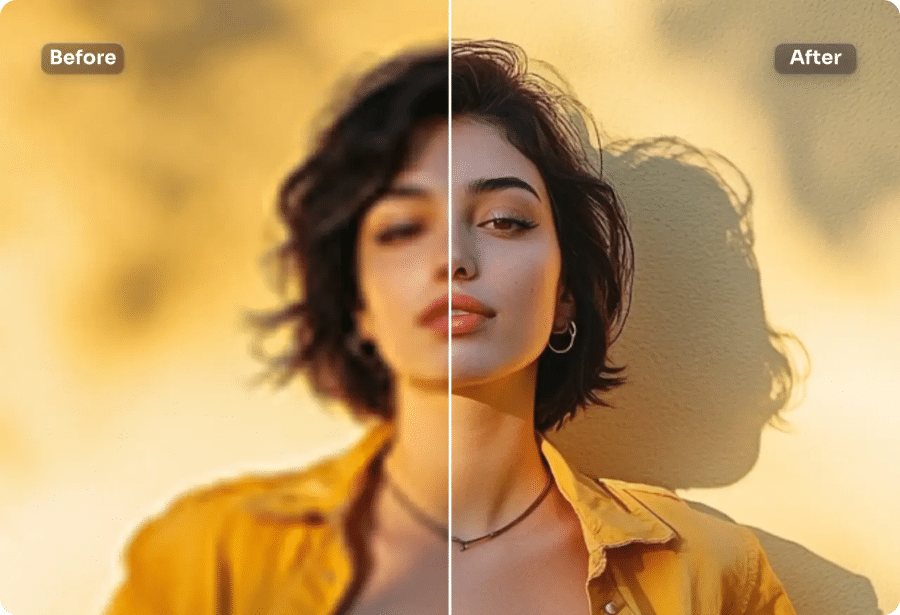
AirBrush Upscaler is an AI-powered image enhancement tool designed to make low-resolution, blurry, compressed, or pixelated photos look sharper and cleaner. Instead of stretching an image the old-fashioned way, it uses artificial intelligence to improve resolution, restore details, and enhance clarity. As a result, it appeals to social media creators, online sellers, designers, bloggers, students, photographers, and everyday users who want better images without having to learn advanced editing software.
However, an image upscaler does not perform miracles. It can make a decent image look better, but it cannot perfectly recover information that never existed in the original photo. Therefore, users get the strongest results when they understand how AirBrush Upscaler works, what kinds of images benefit most, and when manual editing or a better source file makes more sense.
What Is AirBrush Upscaler?
AirBrush Upscaler is an online AI tool from AirBrush that enlarges and enhances images. AirBrush’s official Image Upscaler page says users can upscale photos with AI, improve sharpness, restore details, and boost resolution up to 4K without needing editing skills. The company’s Image Enhancer page also describes online photo enhancement for sharper, more detailed results.
In practical terms, the tool helps users turn small or soft images into larger, clearer files. For example, a creator might use it to improve a profile photo, a blogger might sharpen a featured image, and a seller might enhance a product picture before uploading it to an online store. Additionally, because the tool works online, users can improve images without installing heavy desktop software.
The main promise is convenience. AirBrush Upscaler aims to make photo improvement fast, simple, and accessible for non-designers.
How AI Image Upscaling Works
Traditional resizing increases the number of pixels in an image. Unfortunately, that often creates blur because the software stretches existing pixels without truly adding meaningful detail. AI upscaling works differently. It analyzes patterns, edges, textures, and shapes, then predicts how the image might look at a higher resolution.
For instance, if the AI sees hair, fabric, bricks, skin, leaves, or product edges, it may sharpen those areas and add more natural-looking texture. Additionally, many AI upscalers reduce noise, smooth compression artifacts, and improve contrast during the same process.
Recent super-resolution research continues to explore how AI can upscale images to 4K and improve perceptual quality across portraits, natural photos, medical images, satellite imagery, and other domains. However, the same research area also shows why upscaling remains complex: models must balance sharpness, realism, and faithfulness to the original image. Therefore, a good upscaler should make an image clearer without inventing distracting or misleading details.
When AirBrush Upscaler Works Best
AirBrush Upscaler works best when the original image has enough usable information. A slightly blurry portrait, a small product image, a compressed social media photo, an older digital photo, or a low-resolution blog graphic can often improve noticeably. Additionally, images with clear subjects usually produce better results than chaotic, extremely dark, or heavily damaged files.
Good use cases include:
- Profile pictures
- Social media thumbnails
- Product photos
- Blog images
- Portfolio visuals
- Presentation graphics
- Resume headshots
- Old family photos
- Digital artwork previews
- Small photos prepared for larger screens
However, starting quality matters. If you have a screenshot, a downloaded copy, and the original camera file, use the original file. Better input gives the AI more information to analyze. Consequently, the final image will usually look more natural.
AirBrush Upscaler for Social Media
Social media platforms compress images to save bandwidth and speed up loading. Because of that, photos can look softer after upload, especially if users crop them heavily or start with small files. AirBrush Upscaler can help by enhancing the image before posting.
For example, a creator can upscale a portrait before using it as a profile image. A small business can sharpen product images before posting to Instagram. A blogger can improve a thumbnail before sharing it across platforms. Moreover, upscaling helps when a cropped image loses resolution. If you crop a wide photo into a close-up, the subject may become blurry. Upscaling after cropping can help restore clarity.
Still, subtle editing works best. Over-sharpened skin, harsh edges, and plastic textures can make a photo look artificial. Therefore, compare the enhanced image with the original before publishing.
AirBrush Upscaler for E-Commerce
Clear product photos build trust. Customers want to see fabric texture, labels, edges, colors, stitching, shine, size, and condition before buying. If product images look blurry or pixelated, shoppers may hesitate. Therefore, AirBrush Upscaler can help small sellers make listings look more professional.
Online sellers can use it for jewelry, clothing, handmade products, shoes, accessories, home decor, digital goods, beauty items, and collectibles. Additionally, upscaled product images can work better across marketplaces, websites, ads, and social media posts.
However, sellers should avoid misleading edits. Do not change colors, remove flaws, alter texture, or enhance details to the point that the product looks different from reality. Accurate images reduce returns and protect customer trust. In e-commerce, clarity helps only when it stays honest.
AirBrush Upscaler for Old and Blurry Photos
Old photos often suffer from low resolution, fading, blur, scanning issues, and compression. AirBrush Upscaler can improve some of these problems by sharpening faces, clarifying clothing, strengthening edges, and making the image easier to view or share.
However, old-photo enhancement requires care. AI may sometimes misidentify facial details. It can smooth wrinkles, reshape eyes, change skin texture, or create details that were not present. Therefore, users should keep the original file untouched and save enhanced versions separately.
Additionally, if the photo has emotional or historical value, avoid aggressive editing. A lightly improved image may feel more respectful than a dramatic restoration that changes the person’s appearance.
What AirBrush Upscaler Cannot Fix
AirBrush Upscaler has limits. It cannot turn every poor image into a professional photograph. If a source photo is extremely small, severely blurred, badly exposed, or heavily compressed, the AI may create strange textures or inaccurate details.
Common limitations include:
- Severe motion blur
- Very tiny images
- Unreadable text
- Extreme darkness
- Overexposed highlights
- Heavy compression artifacts
- Covered or missing facial features
- Distorted screenshots
- Low-quality video stills
- Strong lens blur
Therefore, users should treat upscaling as an improvement rather than true reconstruction. If the image matters for business, legal, medical, archival, or professional use, start with the best possible source or hire an expert editor.
How to Use AirBrush Upscaler Effectively
A good workflow makes a major difference. First, choose the highest-quality version of the image. Then, crop only if necessary. After that, upload it to AirBrush Upscaler and review the result closely. Check faces, hands, hair, text, product edges, and background patterns because AI artifacts often appear in these areas.
Next, decide whether the image needs light manual editing. Sometimes, a small brightness adjustment or crop can improve the final result more than another round of upscaling. Additionally, avoid repeatedly processing the same file. Multiple AI passes can create unnatural sharpness and strange textures.
A simple workflow looks like this:
- Start with the best original file
- Avoid screenshots when possible
- Crop for the final platform
- Upscale once
- Inspect important details
- Make light color or brightness edits
- Export in the right file format
- Keep the original and enhanced versions
Moreover, judge the image at the size people will actually view it. A photo may look imperfect at 300% zoom but excellent in a feed or presentation.
Privacy, Copyright, and Responsible Use
Because AirBrush Upscaler operates online, users should consider privacy before uploading images. Avoid uploading private IDs, confidential business documents, sensitive medical images, client files, or intimate photos unless you fully understand the service’s policies and trust the platform. Additionally, businesses should check terms before using any online AI tool for client work.
Copyright also matters. Upscaling an image does not create ownership. If you enhance a celebrity photo, a photographer’s image, a stock photo, or a brand asset without permission, the original rights still apply. Therefore, use AirBrush Upscaler mainly on images you own, licensed assets, public-domain materials, or content you have permission to edit.
Responsible use protects both your privacy and your reputation.
AirBrush Upscaler vs. Professional Editing
AirBrush Upscaler works well for fast, everyday enhancement. It suits users who need sharper images for social posts, online shops, school projects, blogs, or presentations. However, professional editing still matters for high-stakes images.
A skilled editor can control skin texture, accurately correct color, preserve product integrity, restore damaged photos, prepare print files, and fix complex lighting. Additionally, professionals can avoid the unnatural artifacts that AI sometimes creates. Therefore, use AirBrush Upscaler for speed and convenience, but choose expert editing when precision matters.

Final Thoughts
AirBrush Upscaler offers users a simple way to enhance image resolution, sharpness, and clarity using AI. It can help social media creators, e-commerce sellers, bloggers, designers, students, and families make low-resolution or slightly blurry photos look cleaner and more polished. Additionally, its online workflow makes photo enhancement accessible to people who do not use advanced editing tools.
Ultimately, the best results come from thoughtful use. Start with the highest-quality file, avoid over-editing, review important details, and respect privacy and copyright. AirBrush Upscaler can make many images look better, but it works best as part of a careful editing workflow. When users combine good source files with smart enhancement, they can create sharper, more useful images without turning them into artificial-looking edits.