📑Table of Contents:
- What Is Musical Bingo?
- What Do You Need to Play Musical Bingo?
- What Does a Music Bingo Card Look Like?
- How to Play Musical Bingo Step by Step
- How Long Should Each Song Clip Be?
- What Are the Best Music Bingo Themes?
- How Many Songs Do You Need?
- Can You Play Music Bingo Without Knowing Song Names?
- How Do You Make Music Bingo More Fun?
- What Are Common Musical Bingo Mistakes?
- How to Play Musical Bingo: The Final Answer
Musical bingo combines the familiar rules of traditional bingo with the fun of recognizing popular songs. Instead of listening for numbers, players listen to short music clips and mark matching song titles or artists on their bingo cards.
The game works well for parties, family gatherings, bars, school events, fundraisers, team-building sessions, and music-themed nights. You don’t need deep music knowledge to participate. If you recognize enough songs on your card, you can win.
Most importantly, musical bingo remains flexible. Hosts can change the playlist, card size, winning pattern, clip length, and difficulty to suit the audience.
What Is Musical Bingo?
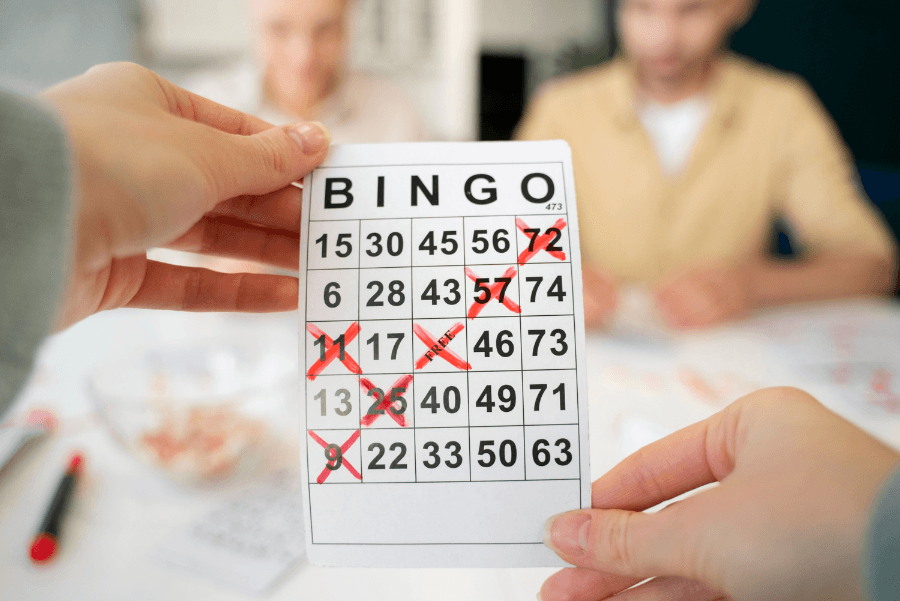
Musical bingo, often called music bingo or song bingo, replaces the numbered squares on a traditional bingo card with songs, artists, or occasionally music-related clues.
The host creates a playlist and plays the songs one at a time. Meanwhile, players listen carefully and check whether the current song appears on their card.
If it does, they mark that square.
Eventually, someone completes the announced winning pattern and calls “Bingo!”
The host then checks the marked squares against the songs already played. If everything matches, that player wins the round.
The basic idea stays simple: listen, recognize, mark, and complete the pattern.
What Do You Need to Play Musical Bingo?
You only need a few basic items to organize a game.
Prepare:
- A music playlist
- Unique bingo cards
- Pens, pencils, or markers
- A speaker
- A phone, laptop, or music player
- A master song list
- Optional prizes
Also, give each player a different card. Otherwise, several people may complete the same winning pattern at the same moment.
For a small home game, printed cards work perfectly. For larger events, you can also use digital bingo cards on phones.
What Does a Music Bingo Card Look Like?
Most music bingo cards use a familiar grid.
For example, you can use a 5×5 grid with 24 songs and one free center square. Alternatively, shorter games can use 3×3 or 4×4 cards.
Each square usually contains a song title.
However, some versions use artist names instead. Others may include categories such as “a song from the 1980s” or “a song with a color in the title.”
Therefore, decide exactly what players need to recognize before creating the cards.
For beginners, song titles usually provide the clearest format.
How to Play Musical Bingo Step by Step
Once everyone has a card, the actual game can begin quickly.
1. Explain the Winning Pattern
Before playing any music, tell everyone what they need to complete.
For example, the first round might require one horizontal, vertical, or diagonal line.
However, later rounds can use different patterns.
Popular Options Include:
- One straight line
- Two lines
- Four corners
- An X shape
- A plus sign
- The outside border
- Full card or blackout
Therefore, always announce the pattern before starting the round.
2. Start Playing the Music
Next, shuffle your playlist and play the first song.
You do not always need to play the entire track. Instead, many games use short recognizable clips to keep the pace moving.
For example, 20 to 30 seconds often gives players enough time to identify a familiar song.
However, difficult tracks may need longer clips.
Additionally, using part of the chorus can make a casual game easier, while using intros can make it more challenging.
3. Players Mark Their Cards
When players recognize the song, they check their cards.
If the song appears, they mark that square.
However, players should not mark songs simply because they think they heard something similar. The host may need to verify every marked square later.
Therefore, listening carefully matters.
Depending on your rules, the host may reveal the song title after every clip or keep it secret.
Revealing titles makes the game easier. Meanwhile, keeping them hidden turns musical bingo into more of a recognition challenge.
4. Continue With the Playlist
Keep playing songs one by one.
Additionally, the host should record every track that has already been played.
A master call sheet makes this easy.
Without one, verifying a winner can become surprisingly difficult after dozens of songs.
Therefore, cross off each song immediately after playing it.
5. Call Bingo
As soon as a player completes the required pattern, they shout “Bingo!”
The host should then pause the music.
Next, check every marked square involved in the winning pattern against the master song list.
If the songs all appeared, the claim stands.
However, if the player marked a song that never played, the game continues.
How Long Should Each Song Clip Be?
There is no universal rule.
For a fast party game, 15 to 30 seconds can work well. Meanwhile, a relaxed event may play 30 to 60 seconds or even most of each track.
The audience also matters.
For example, experienced music fans may recognize songs within seconds. However, younger players or mixed-age groups may appreciate longer clips.
Therefore, aim for a pace that keeps the energy high without making players feel rushed.
Additionally, avoid switching songs so quickly that people cannot search their cards.
What Are the Best Music Bingo Themes?
A theme can make the game considerably more entertaining.
Instead of mixing unrelated songs, build each round around a recognizable category.
Popular themes include:
| Theme | Example Music |
|---|---|
| 1980s Hits | Pop, rock and new wave |
| 1990s Night | Boy bands, grunge and dance |
| 2000s Hits | Pop, R&B and rock |
| Movie Songs | Famous soundtrack tracks |
| Rock Classics | Well-known rock anthems |
| Country | Classic and modern country |
| Disco | 1970s dance favorites |
| One-Hit Wonders | Famous singles from one-hit acts |
| Holiday Music | Christmas and seasonal songs |
| Summer Songs | Upbeat warm-weather tracks |
Themed rounds also help players know what type of music to expect. For mixed audiences, use several decades and genres rather than focusing on one narrow style.
How Many Songs Do You Need?
The ideal number depends on card size and game length.
A 5×5 card might contain 24 song squares plus a free space. However, your master playlist should normally contain more songs than each card.
For example, you could build cards from a larger pool of 40 or 50 tracks.
As a result, players get different combinations, and the winner becomes less predictable.
For several rounds, prepare separate playlists or reshuffle the cards and introduce new winning patterns.
Can You Play Music Bingo Without Knowing Song Names?
Yes, depending on the format.
In an easy version, the host can announce the title after playing each clip. Therefore, players only need to recognize whether that title appears on their card.
In a harder version, players must identify the track themselves.
You can also create artist bingo, where players mark the performer rather than the song title.
This flexibility makes musical bingo suitable for both casual players and serious music fans.
How Do You Make Music Bingo More Fun?
Good hosting matters almost as much as the playlist.
Keep the songs moving, encourage singing, and build anticipation as players near the end of a line.
Moreover, consider offering small prizes for several rounds rather than one major prize at the end.
You Can Also Add Bonus Challenges Such as:
- Name the artist
- Finish the lyric
- Guess the year
- Identify the movie soundtrack
- Dance when a certain genre plays
- Earn a bonus square for answering a music question
However, avoid adding so many rules that the bingo itself becomes confusing.
The best games remain easy to understand.
What Are Common Musical Bingo Mistakes?
The biggest mistake is not explaining the rules before starting.
Players need to know the winning pattern, whether the free space counts, whether song titles will appear after clips, and what happens when two people call bingo at the same time.
Additionally, avoid playlists full of obscure songs unless your audience specifically wants a difficult game.
Another mistake involves duplicate cards.
If everyone gets the same arrangement, they can win at the same time. Therefore, shuffle the song positions for every card.
Finally, always keep an accurate call list.
Without it, you cannot confidently verify a winning claim.

How to Play Musical Bingo: The Final Answer
Musical bingo works just like traditional bingo, except songs replace numbers.
Each player receives a card containing song titles or artists. Then, the host plays music clips in random order. Players mark the matching squares, and the first person to complete the announced pattern calls “Bingo.”
Afterward, the host verifies the claim against the playlist.
You can play for one line, four corners, special shapes, or a full card. You can also customize the playlist around decades, genres, movies, holidays, or almost any musical theme.
Ultimately, musical bingo succeeds because the rules stay simple while every playlist creates a different experience. With varied cards, recognizable songs, clear rules, and an energetic host, it can turn an ordinary party or event into a competitive sing-along that almost anyone can enjoy.