📑Table of Contents:
- What Does Skin Firmness Mean?
- What Is The Difference Between Firmness And Elasticity?
- Is Skin Firmness The Same As Skin Tightness?
- Why Does Skin Lose Firmness With Age?
- How Sun Exposure Affects Skin Firmness
- What Else Can Reduce Skin Firmness?
- Can Skin-Care Products Improve Firmness?
- What Ingredients Should You Look For?
- Can You Naturally Improve Skin Firmness?
- What Professional Treatments Can Improve Firmness?
- How Can You Tell If Your Skin Is Losing Firmness?
- Final Thoughts
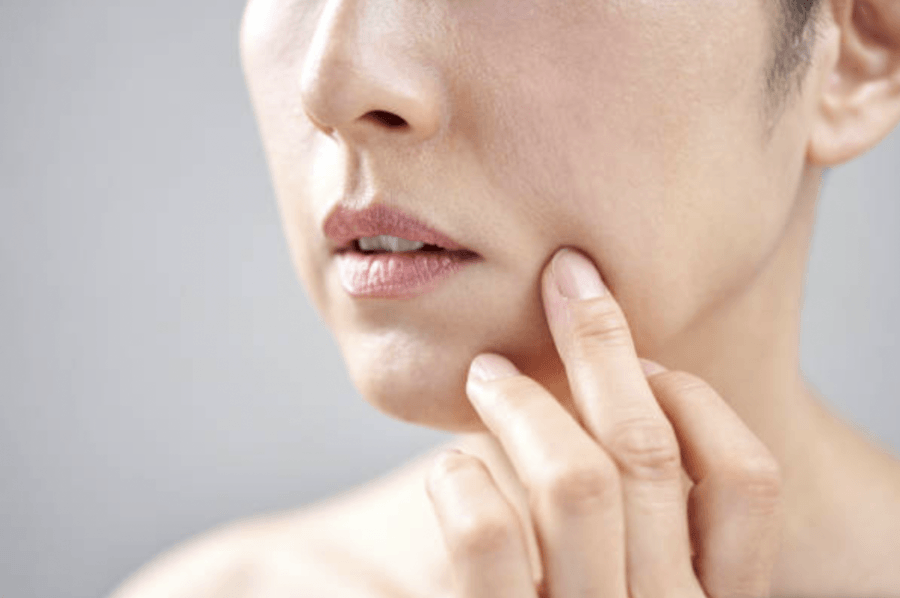
Skin-care products often promise to make skin look “firmer,” “tighter,” or “more lifted.” However, these terms can sound vague if you do not know what skin firmness actually means.
In simple terms, skin firmness describes how well the skin maintains its structure and shape and resists sagging or indentation. Firm skin generally feels supported and resilient, not loose or noticeably lax. Firmness depends on several parts of the skin working together, especially collagen, elastin, hydration, underlying fat, and connective tissue.
Skin naturally changes with age, but age is only one factor. Sun exposure, genetics, smoking, weight changes, hormones, lifestyle, and skin-care habits can also influence how firm the skin appears.
Understanding skin firmness can make it easier to evaluate products, recognize normal changes, and choose realistic ways to support healthier-looking skin.
What Does Skin Firmness Mean?
Skin firmness refers to the skin’s structural strength and its ability to maintain a smooth, supported appearance.
Firm skin tends to resist folding, sagging, and creasing. Additionally, it usually sits closely over the underlying facial or body structures.
Several components contribute to this quality.
Collagen provides much of the skin’s structural framework. Meanwhile, elastin helps the skin stretch and return toward its original shape. Other extracellular matrix components help retain moisture and support the space around skin cells.
So firmness doesn’t come from a single ingredient or biological process.
Changes in facial fat, muscle, bone structure, and connective tissues can also affect how firm the skin looks, especially as people age.
What Is The Difference Between Firmness And Elasticity?
People often use firmness and elasticity interchangeably, but they describe related, not identical, qualities.
Firmness refers primarily to structural support. In contrast, elasticity refers to how effectively skin stretches and returns toward its previous position.
For example, skin can feel reasonably firm while showing reduced elasticity. Likewise, dehydrated skin may look less resilient temporarily, even though its deeper structural support has not changed dramatically.
Elastic fibers play a major role in elasticity, while collagen contributes strongly to firmness and tensile strength.
However, both systems interact. As a result, age-related changes often reduce firmness and elasticity at the same time.
Is Skin Firmness The Same As Skin Tightness?
No. Skin that feels tight doesn’t necessarily mean it’s firmer.
For example, your face may feel tight after washing it with a harsh cleanser. However, that sensation often results from dryness or a disrupted skin barrier rather than increased structural support.
Similarly, some cosmetic products temporarily create a tightening sensation as they dry on the skin. Although this can make the surface feel different for a short period, it does not automatically mean the product has increased collagen or permanently tightened the skin.
Therefore, evaluate long-term skin firmness separately from temporary sensations of tightness.
Why Does Skin Lose Firmness With Age?
Collagen production gradually changes as people get older. Existing collagen fibers can also become more fragmented and less organized.
Elastin and other components of the skin’s supporting structure also change over time. As a result, skin may become thinner, less resilient, and more prone to fine lines or sagging.
Facial aging involves more than the skin itself, however.
Facial fat compartments, muscles, ligaments, and bone can also change. For example, shifts in volume around the cheeks may change how the overlying skin sits even when the skin remains relatively healthy.
Hormonal changes can also influence the process. So, noticeable changes in firmness often result from several factors happening at once.
How Sun Exposure Affects Skin Firmness
Ultraviolet radiation plays a major role in premature skin aging.
Repeated UV exposure can damage collagen and elastin within the skin. Over time, this damage contributes to wrinkles, uneven pigmentation, rough texture, and reduced firmness.
As a result, someone with significant lifelong sun exposure may develop visible skin laxity earlier than someone else of the same age.
This also explains why sunscreen matters in a firming skin-care routine.
A product that supports collagen cannot fully compensate for repeated UV damage if the skin remains unprotected. Therefore, consistent broad-spectrum sun protection represents one of the most practical long-term strategies for preserving the skin’s appearance.
What Else Can Reduce Skin Firmness?
Age and sun exposure are major contributors, but several other factors can also affect skin firmness.
Smoking, for example, exposes the skin to substances that can accelerate visible aging. Additionally, repeated facial expressions and environmental stress contribute to changes over time.
Large weight fluctuations can also affect how tightly skin conforms to the body. After significant weight loss, stretched skin may not completely contract, particularly after many years or when age has already reduced elasticity.
Genetics matter as well. Some people naturally develop wrinkles or laxity earlier than others.
Moreover, nutrition, sleep, stress, and overall health can affect the skin’s appearance, though no single lifestyle habit determines firmness on its own.
Can Skin-Care Products Improve Firmness?
Some products can improve the appearance and quality of aging skin, but expectations matter.
Retinoids rank among the best-known topical ingredients for supporting collagen-related changes. With regular use, they can improve fine lines, texture, and other signs of photoaging over time.
Vitamin C can also support skin by acting as an antioxidant and participating in collagen formation. Meanwhile, many firming formulations include certain peptides because manufacturers design them to support skin conditioning and address age-related concerns.
However, moisturizers can create one of the fastest visible improvements.
Well-hydrated skin often appears smoother and plumper. As a result, humectants and moisturizers can temporarily reduce the appearance of fine lines and make skin look healthier.
Still, a cream cannot reproduce the lifting effect of a surgical procedure. Product claims such as “facelift in a jar” should be interpreted realistically.
What Ingredients Should You Look For?
A simple firming skin-care routine may include several evidence-based categories rather than dozens of products.
Useful ingredients can include:
- Retinoids or retinol for age-related texture and collagen support
- Vitamin C for antioxidant protection
- Peptides in well-formulated anti-aging products
- Hyaluronic acid and glycerin for hydration
- Ceramides for supporting the skin barrier
- Broad-spectrum sunscreen for reducing future UV-related damage
However, stronger does not always mean better.
For example, excessive exfoliation or combining too many irritating active ingredients can damage the skin barrier. As a result, the skin may look red, dry, and less healthy even if the products promise anti-aging benefits.
Consistency generally matters more than creating an overly complicated routine.
Can You Naturally Improve Skin Firmness?
Lifestyle choices can support healthy skin, but they can’t fully reverse structural aging.
First, protect your skin from excessive sun exposure. Also, avoid smoking and maintain a balanced diet with enough protein, vitamins, minerals, and healthy fats.
Regular exercise supports overall health and body composition. Moreover, resistance training can increase muscle in certain areas, which may improve overall shape, though it does not directly tighten loose skin.
Adequate sleep and hydration also contribute to a healthier appearance.
However, drinking enormous amounts of water will not rebuild lost collagen. Therefore, lifestyle habits work best as part of long-term skin health rather than as instant tightening treatments.
What Professional Treatments Can Improve Firmness?
People who want more noticeable changes can discuss professional options with a qualified dermatologist or cosmetic clinician.
Depending on your concerns, treatments may include microneedling, certain lasers, radiofrequency-based procedures, ultrasound treatments, injectables, or other collagen-stimulating approaches.
However, results vary considerably by procedure.
Mild laxity may respond to non-surgical options, while substantial loose skin may require surgery for dramatic correction.
Therefore, the right approach depends on age, skin condition, treatment area, goals, budget, and tolerance for downtime.
How Can You Tell If Your Skin Is Losing Firmness?
Changes usually develop gradually.
You may notice a less defined jawline, lower-looking cheeks, or looser skin around the neck. Additionally, fine creases may become more noticeable because the skin no longer stays as smooth.
On the body, reduced firmness can become visible around the arms, abdomen, thighs, or knees.
However, normal variation between people is substantial. Therefore, skin firmness shouldn’t be the standard for judging whether skin is “good” or “bad.”
Healthy skin can still have wrinkles, folds, and age-related laxity.

Final Thoughts
Skin firmness is relatively straightforward: it describes how well the skin maintains structural support and resists sagging or deformation.
However, firmness depends on a complex combination of collagen, elastin, hydration, connective tissue, facial volume, muscles, and underlying structures. Consequently, no single cream or ingredient controls it completely.
Aging naturally reduces some of this support, while UV exposure and lifestyle factors can accelerate visible changes. So sunscreen, sensible skincare, strong barrier support, and evidence-based ingredients provide a practical foundation.
Most importantly, keep expectations realistic. Skin-care products can improve hydration, texture, fine lines, and the appearance of firmness. However, significant skin laxity often requires professional treatment for a more noticeable tightening or lifting effect.