📑Table of Contents:
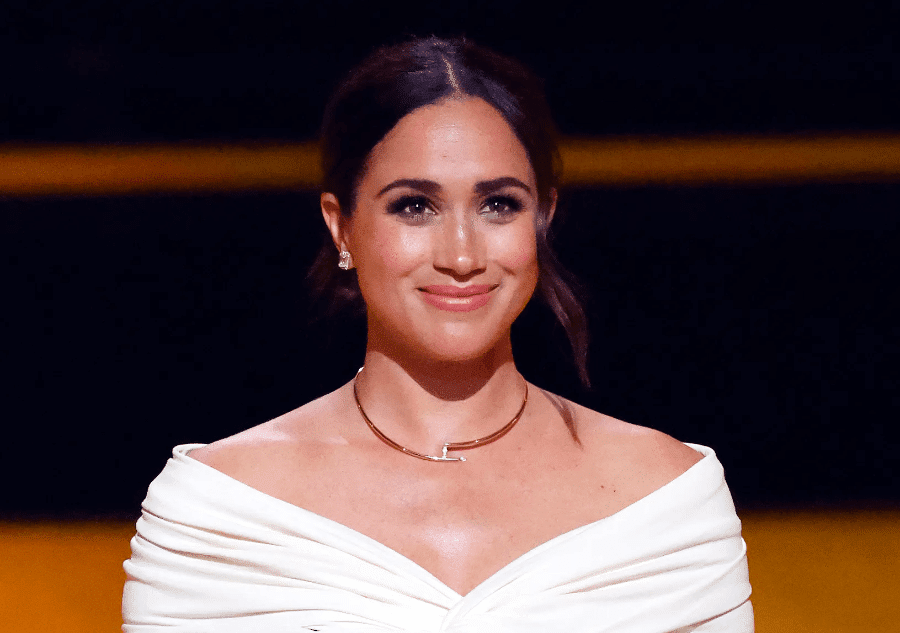
Balenciaga Meghan Markle became a major fashion search topic after the Duchess of Sussex made a surprise appearance at Balenciaga’s Spring/Summer 2026 show during Paris Fashion Week. The moment mattered because it combined several powerful ingredients: Meghan’s rare return to a major European fashion event, Balenciaga’s new creative direction under Pierpaolo Piccioli, the Duchess’s carefully minimal styling, and the brand’s lingering controversy from its past advertising scandal.
At first glance, the story looked simple. Meghan wore an elegant white Balenciaga look, attended a major runway show, and later appeared in a second black custom Balenciaga outfit. However, the reaction quickly moved beyond clothing. Fashion writers analyzed the silhouette. Royal watchers debated the message. Critics questioned the brand association. Meanwhile, supporters saw a polished, modern style statement. Therefore, the Balenciaga Meghan Markle moment reveals how celebrity fashion now works: one outfit can become a conversation about image, ethics, power, and personal branding.
What Happened at Balenciaga?
Meghan Markle attended Balenciaga’s Spring/Summer 2026 show in Paris, marking what Vogue described as her Paris Fashion Week debut and her first fashion-show appearance in about a decade. She arrived in a full Balenciaga look: a white cape-like layer over a silky white button-down and matching trousers, paired with black pointed pumps and a sleek bun.
Later, she wore a second custom Balenciaga look: a black dress with cape-like styling. Vogue reported that this second outfit continued the same minimalist and dramatic design language. As a result, the two outfits worked almost like a day-to-night fashion statement. One look used white, softness, and crisp tailoring. The other used black, sleekness, and evening polish.
Additionally, Meghan’s attendance was connected to Pierpaolo Piccioli, Balenciaga’s new creative director. She had previously worn Piccioli’s designs during his Valentino era, including memorable public appearances in a red cape dress and an embellished white minidress. Consequently, her appearance read as both a fashion statement and a show of support for a designer relationship.
Why the Look Felt So Different
Meghan’s Balenciaga outfit stood out because it avoided obvious spectacle. Instead of sequins, logos, heavy jewelry, or dramatic color, she chose clean lines, soft volume, and a controlled palette. The white cape created movement, while the shirt and trousers kept the look grounded. Additionally, the black pointed heels added contrast and sharpened the silhouette.
This approach fits Meghan’s broader public style. She often favors neutrals, tailoring, monochrome dressing, wide-leg trousers, crisp shirts, soft coats, and understated accessories. However, the Balenciaga look pushed that language into a more editorial space. The cape detail gave the outfit runway drama without making it feel costume-like.
Moreover, the styling helped the outfit communicate restraint. A slicked-back bun and minimal jewelry kept attention on the shape. Therefore, the look felt less like a celebrity trying to dominate fashion week and more like a controlled re-entry into high-fashion visibility.
Balenciaga’s New Era Under Pierpaolo Piccioli
Balenciaga’s context matters. Pierpaolo Piccioli joined Balenciaga after his long and influential tenure at Valentino, where he became known for couture emotion, color, elegance, and modern romance. His Balenciaga debut attracted major attention because the house needed a new chapter after years of intense public scrutiny and shifting creative direction.
Vogue’s coverage of Piccioli’s Balenciaga couture debut in July 2026 described a collection that blended Cristóbal Balenciaga’s design heritage with Piccioli’s emotional sense of color and grandeur. Meanwhile, industry coverage noted that Balenciaga’s parent company, Kering, had reported a return to growth for the house after previous sales declines.
Therefore, Meghan’s appearance did not happen in a vacuum. It placed her inside a brand reset. Balenciaga wanted elegance, credibility, and renewed cultural relevance. Meghan’s minimalist look supported that direction by emphasizing refinement over shock value.
The Controversy Around the Brand
However, the Balenciaga name still carries baggage for many people. In 2022, the brand faced major backlash over advertising campaigns that critics linked to inappropriate imagery involving children and to disturbing references to legal documents. Balenciaga apologized, removed the campaigns, and later tried to rebuild trust.
Because Meghan has publicly supported causes related to women, families, online safety, and children’s well-being, some critics questioned her decision to attend a Balenciaga show. Several outlets reported backlash from commentators and social media users who called the appearance tone-deaf or inconsistent. However, other observers viewed the criticism as part of the larger pattern of intense scrutiny that follows nearly every Meghan appearance.
This tension explains why “Balenciaga Meghan Markle” became more than a fashion query. People were not only asking what she wore. They were asking whether the association made sense.
Fashion Strategy and Public Image
Meghan’s Balenciaga appearance also worked as an image strategy. Since stepping back from royal duties, she has built a public identity around media production, lifestyle branding, philanthropy, and selective public appearances. Therefore, a Paris Fashion Week debut gave her a controlled platform: glamorous enough to generate headlines, but separate from official royal settings.
Additionally, the choice of Balenciaga signaled a seriousness about fashion. Paris Fashion Week remains one of the most influential stages in luxury fashion. Appearing at a major house’s show, especially during a creative director’s debut, places a celebrity in a global style conversation. For Meghan, that meant renewed visibility among fashion editors, celebrity-style watchers, and luxury consumers.
However, visibility cuts both ways. A quiet outfit can still create loud debate when a public figure carries a complex image. Consequently, Meghan’s appearance generated attention but also invited questions about brand values and media framing.
Why Minimalism Worked
The strongest part of Meghan’s Balenciaga styling was its simplicity. The white ensemble gave her a polished, architectural look without overwhelming her. The cape added drama, but the shirt and trousers kept the outfit wearable. Meanwhile, the black heels created a clean finish.
This kind of minimalism often works well for Meghan because it lets silhouette, posture, and fabric carry the look. Instead of chasing trends, she tends to use restraint as a visual signature. In this case, that restraint also aligned with Piccioli’s Balenciaga reset, which leaned toward elegance and house heritage.
Moreover, the second black look reinforced the message. By wearing two custom Balenciaga outfits in one Paris appearance, Meghan turned the event into a complete style story. The white look introduced the new chapter. The black look deepened it.
How Fans and Critics Reacted
Public reaction split quickly. Fashion-focused outlets praised the look’s polish, simplicity, and elegance. Who What Wear described the appearance as Meghan’s first-ever Paris Fashion Week appearance and highlighted both custom Balenciaga outfits. Meanwhile, Vogue framed the moment around Piccioli’s debut and Meghan’s history of wearing his designs.
However, criticism came from royal commentators, tabloids, and social media users who emphasized Balenciaga’s earlier scandal. Some outlets framed the appearance as controversial, while others focused on whether Meghan’s presence helped or hurt her brand. Therefore, the reaction reflected the divided media ecosystem around her.
Importantly, the same outfit can carry different meanings for different audiences. Fashion readers may see tailoring and designer loyalty. Critics may see brand-risk miscalculation. Supporters may see confidence and independence. That mix keeps the story alive.
What It Says About Celebrity Fashion Now
The Balenciaga Meghan Markle moment shows that celebrity fashion is no longer purely style coverage. Today, every red-carpet or runway appearance can become a values conversation. Fans want to know who designed the outfit, what the brand represents, why the celebrity attended, and whether the partnership feels authentic.
Additionally, luxury brands rely on celebrity attendance to shape public perception. A front-row guest can signal relevance, taste, and cultural reach. However, celebrities also absorb some of the brand’s reputation. Therefore, the relationship works both ways. Balenciaga gained attention from Meghan. Meghan gained fashion visibility from Balenciaga. Yet, both also faced renewed scrutiny.
This is why styling choices now require more strategy than ever. A dress, cape, or pair of shoes can carry a message far beyond fabric.

Final Thoughts
Balenciaga’s Meghan Markle moment became a major fashion conversation because it combined style, celebrity, controversy, and brand reinvention in one Paris Fashion Week moment. Meghan’s white cape-like ensemble and later black custom look showed her preference for minimalist luxury, while her support for Pierpaolo Piccioli added designer-relationship context. At the same time, Balenciaga’s past scandal made the appearance more complicated than a standard front-row fashion story.
Ultimately, the moment worked because it generated exactly what high-fashion appearances often seek: visibility, debate, and interpretation. Meghan looked polished and controlled, Balenciaga gained a headline-making guest, and fashion watchers gained a new image to analyze. Whether people praised or criticized the choice, the conversation proved one thing clearly: Meghan Markle’s fashion decisions still command global attention.