📑Table of Contents:
- Why This Relationship Became Such A Big Story
- When Did Elon Musk And Amber Heard Date?
- How They Met And How The Relationship Started
- Photos, Appearances, And A High-Visibility Couple
- Why They Broke Up: The Most Common Explanation
- The “Embryos” Claim: What People Say And Why It Stays Controversial
- The Defamation-Trial Era: How It Pulled Musk Back Into The Conversation
- What A Major Biography Added
- Common Myths And Misconceptions
- What This Relationship Reveals About Modern Celebrity Culture
- Conclusion
Few celebrity relationships attract curiosity for years after they end. However, the pairing of Elon Musk and Amber Heard continues to resurface, partly because both names generate headlines independently. Moreover, their relationship coincided with a period of intense public scrutiny of Heard, which fueled every rumor cycle.
At the same time, most people who search “Elon Musk Amber Heard” want something simple: what happened, when it happened, and which claims have real support. So, this article focuses on the widely reported timeline, the surrounding context, and the most frequently repeated controversies—while separating what reliable reporting supports from what internet echo chambers amplify.
Why This Relationship Became Such A Big Story
On paper, the intrigue writes itself. Musk represents Silicon Valley power, futuristic ambition, and constant media attention. Heard represents Hollywood visibility, franchise fame, and a personal life that tabloids have followed relentlessly. Therefore, when their names were publicly linked, the story quickly became larger than the relationship itself.
Additionally, the relationship unfolded during a moment when social media turned celebrity news into participatory entertainment. In other words, spectators did not just consume updates—they argued about them, remixed them, and turned fragments into “proof.” As a result, the internet still revisits the topic with every new Musk headline or Heard appearance.
When Did Elon Musk And Amber Heard Date?
The most consistent timeline across major entertainment reporting goes like this:
First, public speculation began after Heard’s separation from Johnny Depp, with reports that Musk and Heard had been spending time together. Soon after, the relationship became more visible through public sightings and photos.
Then, most mainstream coverage places their “official” dating period around 2017, with an on-and-off dynamic for months afterward. Ultimately, the reports describe the relationship as ending definitively in 2018.
Importantly, “on-and-off” does a lot of work here. It suggests they broke up and reconciled at least once, and it also explains why various outlets list slightly different end dates depending on how they define “together.”
How They Met And How The Relationship Started
People often ask, “Did they meet through work?” Some accounts point to shared circles, industry events, and Hollywood tech overlap. Meanwhile, other reporting frames Musk as having been interested in Heard for years before they dated, which would fit his pattern of reaching across industries and social groups.
However, the key point is simpler: they moved in overlapping, high-profile spaces and connected during a period when Heard’s life drew maximum public attention. Consequently, even ordinary relationship steps—dinners, travel, and public outings—turned into headline moments.
Photos, Appearances, And A High-Visibility Couple
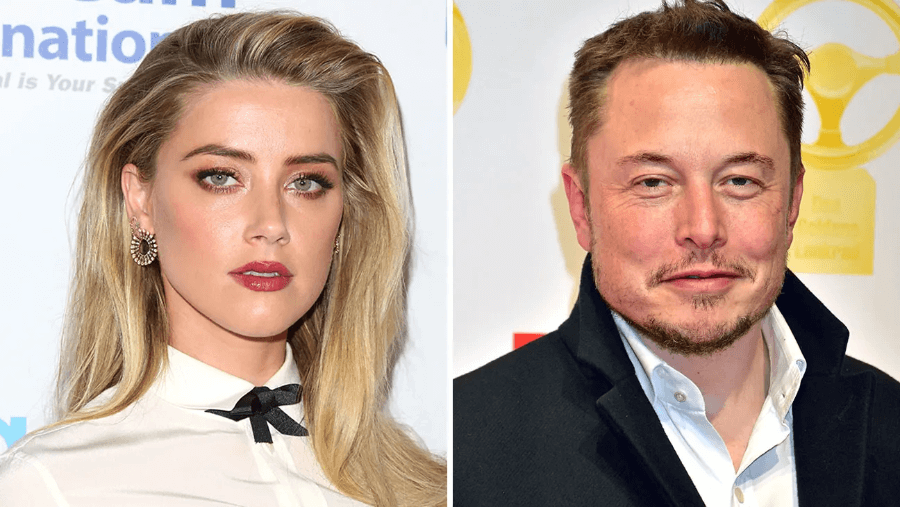
Once the relationship became public, photographs did much of the storytelling. For example, images of the pair together circulated widely, and the internet treated each photo like a status update. Moreover, every appearance triggered a predictable cycle: dating confirmation, speculation about seriousness, then “breakup” headlines, then “reunion” headlines.
Because Musk and Heard both receive intense media coverage, the couple has also attracted narrative extremes. On one side, fans framed it as a glamorous power pairing. On the other side, critics framed it as a calculated PR move. Yet those interpretations often reveal more about audience bias than about the relationship itself.
Why They Broke Up: The Most Common Explanation
Most reputable reporting converges on a practical explanation: time, distance, and pressure. Musk’s schedule ran across multiple companies and continents. Heard’s acting work involved travel and production demands. Meanwhile, both faced constant public attention.
So, even without a dramatic scandal, the relationship had structural stress built in. Additionally, public scrutiny can rapidly narrow a couple’s “normal life” options. If every outing becomes a headline, then privacy turns into a luxury.
In that environment, a breakup does not require a single explosive event. Instead, a relationship can deteriorate due to logistical constraints and limited attention.
The “Embryos” Claim: What People Say And Why It Stays Controversial
If you have seen the embryo-related claim online, you are not alone. It remains one of the most frequently repeated and emotionally charged narratives associated with Musk and Heard. However, it also sits in a tricky category: it relies on statements and reporting that many outlets summarize without providing a complete, publicly available, independently verified paper trail.
Here’s the responsible way to understand the issue.
First, multiple reports describe an allegation that Musk and Heard created embryos and later disputed what to do with them after the relationship ended. Additionally, commentary around this claim surged during the defamation-trial media cycle because anything adjacent to Heard drew intense coverage at that time.
Second, even when reports mention sworn statements, the public usually sees the claim through summaries rather than full context. Therefore, readers should avoid leaping from “alleged dispute” to definitive conclusions about what happened, what documents exist, or what any court ultimately decided.
Third, the internet often connects this claim to paternity rumors about Heard’s child. Yet that leap rests on speculation, not confirmation. So, it’s best to treat paternity claims as unverified unless a direct statement or a reliable, documented confirmation appears.
In short, the embryo claim persists because it feels dramatic, personal, and plausible to audiences who already expect unusual stories from Musk’s life. Still, plausibility does not equal proof.
The Defamation-Trial Era: How It Pulled Musk Back Into The Conversation
Although Musk did not stand at the center of the Depp–Heard court drama, the trial period revived public interest in anyone associated with Heard. Consequently, Musk’s name reentered headlines through witness-list chatter, old texts discussed in reporting, and general “who did she date when” timelines.
Meanwhile, the trial environment rewarded sensational fragments. A single sentence in a deposition summary could become a week of social media discourse. Additionally, content creators and tabloid-style outlets often amplified the most dramatic angle because drama drives clicks.
Therefore, the relationship’s “afterlife” expanded. It no longer lived only in celebrity news; it lived in courtroom-adjacent commentary, social media debates, and long-running rumor threads.
What A Major Biography Added
A well-known biographer later published a large biography of Musk, and that book sparked another round of coverage about Musk’s romantic history, including Heard. Moreover, the biography angle gave the media a fresh hook: it reframed the relationship as part of Musk’s emotional patterns, not just a celebrity headline.
However, biography-driven reporting remains limited. A biographer can provide color and narrative, yet readers should still distinguish between direct quotes, paraphrased recollections, and interpretive storytelling. In other words, a biography can add context but also shape perception through framing.
While biography coverage renewed interest, it did not resolve every disputed claim debated online.
Common Myths And Misconceptions
Because the internet repeats the loudest version of a story, several misconceptions spread alongside the real timeline.
One common myth claims the relationship began or ended on a single “official” date that everyone agrees on. In reality, “on-and-off” relationships rarely fit neat labels. Moreover, outlets often update timelines as new interviews or photos emerge, which can shift how they describe the same period.
Another misconception involves paternity rumors. People sometimes present speculation as certainty, especially in viral posts. However, repetition does not create confirmation. Therefore, it’s more accurate to say the internet speculates heavily, while reliable confirmation remains absent.
A third misconception frames the relationship as purely transactional—either PR or networking. Yet people can date for ordinary human reasons even in extraordinary circumstances. Additionally, public figures often appear more strategic than they truly are because audiences expect a plot.
What This Relationship Reveals About Modern Celebrity Culture
The Musk–Heard story highlights how celebrity relationships now function as public IP—intellectual property that the public feels entitled to remix. Moreover, social platforms reward certainty rather than nuance. So, careful language tends to lose against bold claims.
At the same time, audiences now track relationships in the manner of serialized entertainment. For example, they look for “seasons”: meet-cute, public debut, breakup, reunion, final split. Then, they search for “bonus episodes” years later, like lawsuits, biographies, or new dating rumors.
Therefore, even if Musk and Heard moved on privately, the public narrative keeps them linked whenever a new hook appears.

Conclusion
Elon Musk and Amber Heard became a headline couple because they combined two high-attention worlds: tech celebrity and Hollywood celebrity. Moreover, their relationship unfolded during a period when Heard’s personal life drew extraordinary scrutiny, thereby magnifying any association.
Still, the most useful way to understand the topic is to keep two buckets in mind. First, you have the widely reported timeline: a visible relationship, on-and-off, largely centered in 2017 and ending in 2018. Second, you have the internet’s favorite add-ons: allegations and rumors that spread faster than confirmation.
Therefore, if you want accuracy, prioritize what multiple reputable reports repeat consistently, and treat viral certainty with caution. And ultimately, remember the simplest truth: in the social-media age, some relationships end in real life, yet they continue indefinitely online.