📑Table of Contents:
- What Does a Wedding Veil Symbolize?
- Ancient Wedding Veil Symbolism
- The Symbolism of Purity and Modesty
- Religious Symbolism of the Wedding Veil
- Veil Lifting and the Symbolism of Revelation
- Wedding Veil Styles and What They Can Symbolize
- Modern Wedding Veil Symbolism
- Do Brides Need a Symbolic Reason to Wear a Veil?
- Final Thoughts
Last updated on June 16th, 2026 at 05:47 pm

Wedding veil symbolism runs deeper than most people realize. At first glance, a veil may look like a delicate finishing touch: sheer fabric, soft movement, and a romantic frame around the bride. However, across centuries and cultures, wedding veils have symbolized protection, modesty, purity, mystery, transition, faith, family identity, and personal style.
Today, brides no longer need to adhere to a single fixed meaning. Some wear veils because the tradition feels sacred. Others choose them because they love the drama, the photographs, or the emotional moment of walking down the aisle. Meanwhile, many brides skip veils completely and choose hats, bows, flowers, capes, or no headpiece at all. Therefore, the modern wedding veil works best as a flexible symbol: it can honor the past while still reflecting the bride’s own values.
What Does a Wedding Veil Symbolize?
A wedding veil can symbolize many things, depending on culture, faith, family tradition, and personal interpretation. Historically, veils often represented modesty, chastity, protection, and the bride’s transition from one life stage to another. In modern weddings, however, the veil may symbolize romance, heritage, beauty, individuality, or the ceremonial nature of marriage.
In simple terms, wedding veil symbolism usually falls into a few broad categories:
- Protection from bad luck or evil spirits
- Modesty, reverence, or spiritual humility
- Purity, innocence, or a fresh beginning
- Mystery and anticipation before the vows
- Transition from single life to married life
- Family, cultural, or religious tradition
- Personal style and bridal identity
Because the veil carries so many layers, two brides can wear similar veils for completely different reasons. One may see it as a symbol of faith. Another may see it as a fashion statement. Additionally, another may wear it because it connects her to her mother or grandmother.
Ancient Wedding Veil Symbolism
The wedding veil has ancient roots, especially in Roman bridal customs. Ancient Roman brides wore a veil called the flammeum, often described as flame-colored or yellow-red. Many historians and bridal-history sources connect this veil with protection, ritual, and the transition into married life. People also believed veils could guard brides from evil spirits or harmful forces during the wedding ceremony.
This protective symbolism makes sense when viewed in light of ancient beliefs. Weddings marked a major life change, and many cultures treated major transitions as spiritually vulnerable moments. Consequently, special clothing, coverings, blessings, and rituals helped protect the couple and guide them into a new household.
Over time, the veil also became a marker of separation. It set the bride apart from everyday life and placed her inside a sacred ceremony. Therefore, even before veils became connected to white gowns and modern bridal fashion, they already carried ritual power.
The Symbolism of Purity and Modesty
In Western wedding tradition, many people associate the veil with purity. The Knot notes that brides historically wore veils to symbolize purity, while other interpretations also link veils with religious and superstitious beliefs. However, this meaning grew stronger in specific cultural contexts and does not define every bride’s choice today.
Modesty also plays a major role in the symbolism of the veil. A covered head or face can signal humility, respect, and reverence, especially inside religious ceremonies. In some traditions, the veil suggests that the wedding is not only a public celebration but also a sacred promise.
However, modern brides often reinterpret both purity and modesty. Many women do not wear veils to express chastity or obedience. Instead, they may choose a veil because it feels elegant, meaningful, or connected to family tradition. As a result, the same symbol can shift from social expectation to personal expression.
Religious Symbolism of the Wedding Veil
Wedding veils carry strong religious meanings in several traditions. In Christian weddings, especially Catholic ceremonies, veils can symbolize reverence, humility, and respect before God. The veil may also create a sense of sacredness, reminding the couple and guests that marriage involves vows, a covenant, and spiritual commitment.
In Jewish weddings, the veiling ceremony, called the bedeken or badeken, holds special meaning. Chabad describes bedeken as a ceremony symbolizing modesty, dignity, and a new identity, in which the groom veils the bride before the wedding. My Jewish Learning also explains that this custom often occurs before the couple stands under the chuppah and is connected to biblical stories involving Jacob, Rachel, and Leah.
Meanwhile, Muslim wedding veiling practices vary widely by region, culture, and personal belief. Some Muslim brides wear hijab or other coverings as expressions of modesty and faith. Additionally, many combine religious dress with local bridal customs, embroidery, jewelry, and color.
In South Asian weddings, brides may wear a dupatta, chunri, or ghoonghat over the head. These coverings often symbolize respect, blessing, family honor, and transition. Moreover, rich colors and embroidery can turn the veil into a cultural statement as much as a bridal accessory.
Veil Lifting and the Symbolism of Revelation
The veil-lifting moment creates one of the most recognizable wedding images. Traditionally, the groom lifted the bride’s veil before the kiss or after the vows. In older interpretations, this moment symbolized the bride’s movement into married life, the groom’s acceptance of the bride, or the unveiling of the person behind the ritual.
However, couples now reshape that moment in many ways. Some brides ask a parent to lift the veil at the altar. Others lift it themselves to show independence and agency. Additionally, many brides wear the veil behind their heads, which removes the face-covering symbolism entirely while preserving the visual beauty.
Therefore, veil lifting can symbolize trust, intimacy, blessing, equality, family support, or personal confidence. The meaning depends on who lifts it, when they lift it, and why the couple includes the gesture.
Wedding Veil Styles and What They Can Symbolize
Different veil styles can create different symbolic moods. Although no style has a single universal meaning, each tends to communicate a specific feeling.
- Birdcage veil: vintage charm, confidence, and playful elegance
- Blusher veil: tradition, ceremony, and anticipation
- Fingertip veil: classic romance and balanced simplicity
- Chapel veil: grace, formality, and timeless bridal beauty
- Cathedral veil: grandeur, drama, and sacred ceremony
- Mantilla veil: lace tradition, femininity, and Spanish-influenced elegance
- Embroidered veil: personal storytelling, memory, and individuality
- Dupatta or cultural head covering: heritage, blessing, and family identity
Moreover, veil length can affect symbolism. Brides.com notes that veil lengths range from short birdcage styles to dramatic cathedral veils, with each length shaping the overall bridal mood. A cathedral veil can make a ceremony feel formal and regal, while a short veil can feel modern, relaxed, or retro.
Modern Wedding Veil Symbolism
Modern wedding veil symbolism depends heavily on the bride’s intention. Vogue emphasizes that choosing a veil is a highly personal decision and that veils can enhance a bridal look in styles ranging from classic to custom. Consequently, many brides now treat the veil as both a symbol and a design element.
Today, a veil can symbolize:
- A connection to family history
- A tribute to faith or culture
- A romantic bridal transformation
- A dramatic fashion moment
- A keepsake from the wedding day
- A personal message through embroidery
- A link between old tradition and modern identity
Additionally, customization has changed the veil’s emotional power. Brides now embroider names, dates, vows, prayers, flowers, lyrics, or handwritten messages into their veils. As a result, the veil can become a personal heirloom rather than a generic accessory.
Do Brides Need a Symbolic Reason to Wear a Veil?
Brides do not need a symbolic reason to wear a veil. Some brides love the look, movement, or drama. Others enjoy how a veil completes the gown or creates beautiful photographs. Meanwhile, some brides avoid veils because the tradition does not match their style, beliefs, or comfort.
That freedom matters. The veil has survived because it can change. It no longer has to represent one rigid idea about womanhood, marriage, or purity. Instead, it can reflect the bride’s own story.
Final Thoughts
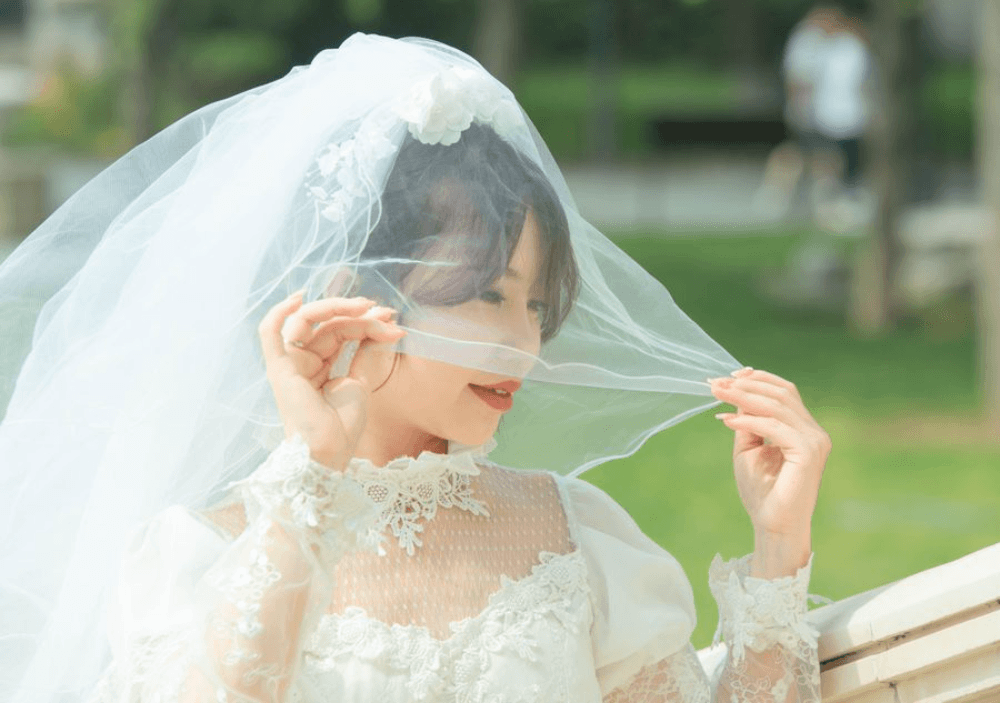
Wedding veil symbolism has evolved from ancient protection to spiritual reverence, cultural identity, romantic mystery, and personal style. Although the veil once carried stricter meanings around purity, modesty, and social tradition, modern brides can choose what it represents.
Ultimately, the wedding veil remains powerful because it holds both history and possibility. It can honor ancestors, express faith, create beauty, or mark the emotional transition into marriage. Therefore, the most meaningful veil is not the one that follows every old rule. It is the one that feels true to the bride wearing it.