📑Table of Contents:

The symbolism of a wedding veil reaches far beyond bridal fashion. A veil may look light, sheer, and delicate, but it carries centuries of meaning. Across different eras and cultures, brides have worn veils to symbolize protection, purity, modesty, mystery, faith, family identity, and the emotional transition into marriage.
However, the veil no longer has one fixed meaning. Modern brides often choose it for personal reasons: to honor tradition, complete a gown, create a dramatic entrance, or add a sentimental detail to the ceremony. Meanwhile, some brides skip the veil and choose hats, bows, flowers, capes, or no headpiece at all. Therefore, the wedding veil remains powerful because it adapts. It can hold ancient symbolism while still allowing every bride to define it for herself.
What Does a Wedding Veil Symbolize?
A wedding veil can symbolize several ideas at once. Traditionally, it has represented modesty, purity, protection, and reverence. In many ceremonies, it also marks the bride’s movement from one stage of life into another. Today, however, the symbolism often expands to include romance, individuality, cultural pride, and family connection.
In simple terms, a wedding veil may symbolize:
- Protection from negative energy or bad luck
- Purity, innocence, or a fresh beginning
- Modesty, humility, or spiritual reverence
- Mystery and anticipation before the vows
- The transition into married life
- Family tradition or cultural heritage
- Personal style and bridal identity
Moreover, the meaning can change depending on who wears it. One bride may see her veil as a religious symbol. Another may wear it because her mother wore one. Additionally, another may choose it simply because it creates a beautiful silhouette in photos.
Ancient Protection and Ritual Meaning
The wedding veil has roots in ancient rituals. In ancient Rome, brides wore a veil called the flammeum, which many sources describe as flame-colored or yellow-red. Bridal-history sources often link this early veil to protection, ceremony, and the belief that a bride needed to be shielded from evil spirits or other harmful forces during a major life transition.
This symbolism makes sense when viewed through the lens of the ancient concept of liminality. A wedding moved a woman from one household and social identity into another. Consequently, people treated that transition as spiritually significant and potentially vulnerable. Special clothing, blessings, torches, and veils helped mark the moment as sacred.
Over time, the veil also became a visual boundary. It separated the bride from ordinary life and placed her inside the ceremony. As a result, even before the white wedding dress became popular, the veil already carried symbolic weight.
Purity, Modesty, and Social Expectations
In Western weddings, many people associate the veil with purity. This meaning grew especially strong once white bridal fashion became popular and the white dress, veil, and church ceremony began to work together as symbols of innocence and virtue. The Knot notes that veils have a long history rooted in tradition, religion, and symbolism, while also emphasizing that a veil can mean whatever the bride wants it to mean today.
Modesty also shaped the symbolism of the veil. Covering the head or face has often signaled humility, respect, and social restraint. In some traditions, the veil suggested that the wedding ceremony involved sacred promises rather than only a celebration.
However, modern brides often reinterpret purity and modesty. Many do not wear veils to express chastity or obedience. Instead, they wear them because they feel romantic, elegant, or meaningful. Therefore, the veil has shifted from a rule imposed by tradition into an accessory that can reflect personal choice.
Religious Symbolism of the Wedding Veil
Faith traditions give the wedding veil additional meaning. In many Christian ceremonies, especially Catholic weddings, veils can symbolize reverence, humility, and respect before God. The fabric can also create a sense of sacredness, reminding the couple that marriage involves vows, a covenant, and spiritual commitment.
In Jewish weddings, the bedeken, or veiling ceremony, carries deep symbolism. Chabad describes bedeken as a ceremony symbolizing modesty, dignity, and a new identity, in which the groom veils the bride before the wedding ceremony. My Jewish Learning also explains that the ceremony typically takes place before the couple joins under the chuppah and often draws on biblical stories, including those of Jacob, Rachel, and Leah.
Meanwhile, Islamic wedding veiling practices vary widely by region, culture, and personal belief. Some Muslim brides wear hijab or other coverings as expressions of modesty and faith. Additionally, many combine religious dress with regional bridal customs, embroidery, jewelry, and color.
In South Asian weddings, brides may wear a dupatta, chunri, or ghoonghat over the head. These coverings can symbolize respect, blessing, family honor, and cultural continuity. Moreover, rich fabrics and embroidery turn the veil into a visible expression of heritage.
The Symbolism of Lifting the Veil
The veil-lifting moment remains one of the most recognizable wedding images. Traditionally, the groom lifted the bride’s veil before the kiss or after the vows. In older interpretations, this act symbolized revelation, acceptance, and the bride’s entrance into married life.
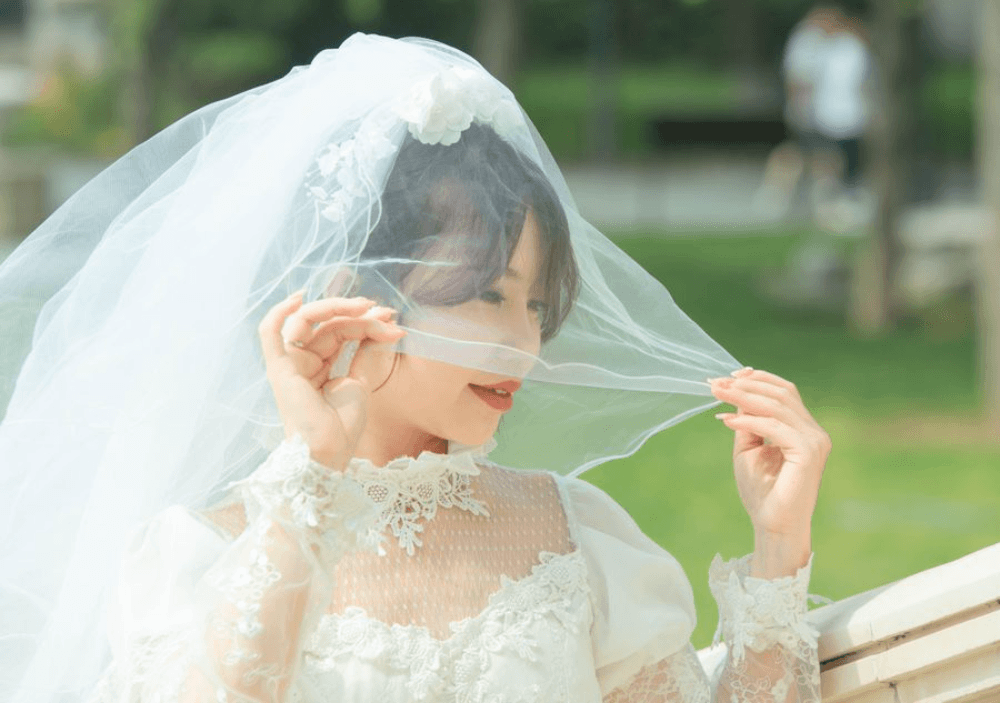
However, couples now reshape the gesture in many ways. Some brides ask a parent to lift the veil at the altar. Others lift it themselves to show independence and agency. Additionally, many brides wear the veil behind their heads, which preserves the fabric’s romance while removing the face-covering symbolism.
Therefore, veil lifting can symbolize trust, intimacy, family blessing, equality, confidence, or personal choice. The meaning depends on the couple’s values and the way they design the ceremony.
Veil Styles and Their Symbolic Messages
Different veil styles can communicate different moods. Although no style has a universal meaning, each one tends to suggest a certain feeling.
- Birdcage veil: vintage charm, confidence, and playful elegance
- Blusher veil: tradition, anticipation, and ceremony
- Fingertip veil: classic romance and balanced simplicity
- Chapel veil: grace, formality, and timeless beauty
- Cathedral veil: grandeur, drama, and sacred presence
- Mantilla veil: lace tradition, femininity, and Spanish-influenced elegance
- Embroidered veil: personal storytelling and sentimental value
- Dupatta or cultural head covering: heritage, blessing, and family identity
Vogue notes that veil styles and lengths vary widely, from blushers and birdcage veils to chapel and cathedral veils, and that the veil should complement the bride’s overall look. Brides also highlights how different lengths create different aesthetics, from retro and flirty to elegant and dramatic.
As a result, choosing a veil often means choosing a mood. A cathedral veil can make the ceremony feel regal, while a birdcage veil can create a vintage, fashion-forward statement.
Modern Symbolism and Personal Identity
Today, the symbolism of a wedding veil depends heavily on intention. A bride may wear a veil to honor her grandmother, connect with her faith, create a memorable aisle moment, or add texture to a minimalist gown. Moreover, customization has made veils even more personal.
Many brides now embroider veils with names, initials, vows, dates, prayers, flowers, lyrics, or handwritten messages. Consequently, the veil can become a keepsake rather than a one-day accessory. It can tell a story that belongs only to the couple.
At the same time, brides have more freedom to reject the veil. Recent bridal fashion coverage shows growing interest in alternatives such as hats, sculptural headpieces, bows, and other nontraditional accessories. Therefore, choosing not to wear a veil can also express identity.
Final Thoughts
The symbolism of a wedding veil has evolved from ancient protection to religious reverence, cultural heritage, romantic mystery, and personal expression. Although older traditions often linked veils to purity, modesty, and social expectations, modern brides can choose what the veil represents.
Ultimately, the wedding veil remains meaningful because it combines history with freedom. It can honor faith, family, heritage, beauty, or individuality. Therefore, the most powerful veil is not the one that follows every old rule. It is the one that reflects the bride’s own story.