📑Table of Contents:

Veil symbolism has changed across centuries, cultures, and religions. Today, a veil often feels romantic, elegant, and unmistakably bridal. However, this delicate piece of fabric once carried powerful meanings tied to protection, modesty, purity, status, spirituality, and transformation. Because of that history, the veil remains one of the most meaningful accessories in wedding fashion.
Although many modern brides choose veils mainly for style, the symbolism still matters. A veil can honor family tradition, mark the seriousness of a ceremony, create a dramatic aisle moment, or express a bride’s personal identity. Therefore, understanding veil symbolism helps explain why this accessory continues to feel emotional, even in weddings that do not follow strict tradition.
Ancient Protection and the Bridal Veil
One of the oldest meanings of the veil connects to protection. In ancient Roman wedding traditions, brides wore a veil called the flammeum, often described as a flame-colored cloth in yellow, orange, or red tones. Historical explanations often connect this veil with apotropaic power, meaning people believed it could ward off evil spirits or harmful forces.
This protective symbolism makes sense in the context of ancient marriage. A wedding marked a major transition in a woman’s life. She moved from one household into another, changed her social role, and entered a new family structure. Consequently, families used rituals, special clothing, torches, blessings, and veils to guard the bride during this vulnerable passage.
Over time, the protective meaning softened, but it never disappeared completely. Even today, some people describe the veil as creating a sacred boundary around the bride. It separates the ordinary world from the ceremonial moment, making the walk down the aisle feel more symbolic.
Modesty and Reverence
Another major layer of veil symbolism involves modesty. Across many cultures, covering the hair or face has signaled humility, respect, and dignity. In weddings, this meaning often connects to the bride’s entrance into a serious covenant or family union.
In Christian contexts, especially in more traditional Catholic ceremonies, veils can symbolize reverence before God and respect for the sacredness of marriage. Many brides who choose chapel or cathedral veils for church weddings do so because the look feels solemn, graceful, and spiritually appropriate. Additionally, lace mantilla veils are often associated with Catholic and Spanish bridal traditions.
However, modesty does not always mean submission in a modern context. Many brides now reinterpret modesty as intentionality. They may choose a veil because it helps them feel centered, respectful, or connected to a sacred space. Therefore, the same symbol can shift meaning depending on the bride’s beliefs.
Purity and Innocence
In Western wedding culture, the veil often became linked with purity and innocence. This symbolism grew stronger alongside the popularity of white bridal fashion, especially after Queen Victoria’s 1840 wedding to Prince Albert helped make the white gown and lace veil a fashionable ideal.
However, purity was not the veil’s only original meaning. Ancient Roman brides did not wear white tulle veils, and many historical brides wore their best dress in many colors. Nevertheless, during the Victorian era and beyond, the white veil became closely associated with chastity, innocence, and moral virtue.
Today, many brides do not interpret the veil in that strict way. Instead, they may see white or ivory veils as symbols of freshness, hope, joy, or ceremonial beauty. As a result, purity symbolism remains part of the veil’s history, but modern brides often define it on their own terms.
Mystery and the Unveiling Moment
Veils also symbolize mystery. When a veil covers the face, it creates anticipation. Guests see the bride, yet they do not fully see her expression. This partial concealment can make the ceremony feel more dramatic and emotional.
The unveiling moment adds another layer. Traditionally, a father, groom, or the bride herself may lift the blusher veil. In older customs, this act sometimes represented presentation, transfer, or revelation. However, modern couples often reshape the gesture. Some brides lift their own veil to show independence. Others skip the face veil entirely while still wearing a long veil for style.
Therefore, the symbolism of unveiling depends on how the couple frames it. It can represent openness, recognition, intimacy, equality, or the beginning of married life. In photography, it also creates one of the most memorable visual moments of the ceremony.
Jewish Bedeken and Spiritual Identity
In Jewish weddings, veil symbolism is powerfully expressed in the bedeken, or veiling, ceremony. During this custom, the groom places the veil over the bride before the wedding ceremony. Chabad explains that the bedeken symbolizes modesty, dignity, and a new identity as the couple prepares to marry.
This tradition also connects to biblical stories. Many interpretations reference Rebecca veiling herself before meeting Isaac and the story of Jacob, Rachel, and Leah. Because of those associations, the bedeken can symbolize recognition, spiritual commitment, and the groom’s focus on the bride’s inner qualities rather than only outward appearance.
Additionally, the bedeken creates a deeply emotional pre-ceremony moment. Family members gather, music often plays, and the couple shares a brief but powerful exchange before standing under the chuppah. Consequently, the veil becomes more than fabric. It becomes part of the wedding’s spiritual architecture.
Status, Wealth, and Family Tradition
Veils have also symbolized status. Historically, long veils, fine lace, embroidery, and delicate fabrics required money, labor, and access. A wealthy bride could wear a dramatic veil made with expensive materials, while a less wealthy bride might wear a simpler covering or no veil at all.
This status symbolism continues in a softer form today. Cathedral veils, hand-embroidered veils, pearl-studded veils, and heirloom lace veils can signal formality and luxury. However, they can also carry family meaning. A bride may wear her mother’s veil, add lace from a grandmother’s gown, or embroider names and wedding dates into the fabric.
Therefore, a veil can symbolize continuity. It links one generation to another and turns the wedding outfit into a family story.
Romance, Drama, and Beauty
Modern veil symbolism often centers on romance and beauty. Many brides choose a veil because it transforms the whole look. A simple gown can become ethereal with a sheer cathedral veil. A minimalist dress can gain softness through tulle. Meanwhile, a lace mantilla can create vintage elegance.
Vogue’s veil guidance emphasizes that veil selection is highly personal and that veils can add an ethereal or striking finishing touch to the bridal look. Brides and bridal stylists often choose veil length, volume, and detailing based on the dress, hairstyle, venue, and mood.
Because of this, the modern veil acts as both a symbol and a styling tool. It can represent tradition, but it can also create movement, texture, and visual drama. That explains why even nontraditional brides may still choose veils.
Personal Expression and Modern Meaning
Today, veil symbolism belongs largely to the bride. Some brides choose veils for religious meaning. Others choose them for family connection, fashion, romance, or photography. Meanwhile, some reject veils because the tradition does not match their values or style.
Modern veil personalization has further expanded the symbolism. Brides now add:
- Initials
- Wedding dates
- Handwritten vows
- Song lyrics
- Floral embroidery
- Pearls or crystals
- Religious phrases
- Cultural motifs
- Family lace
As a result, the veil can become a personal artifact. It no longer needs to represent one universal idea. Instead, it can express memory, identity, love, culture, and creativity.
Final Thoughts
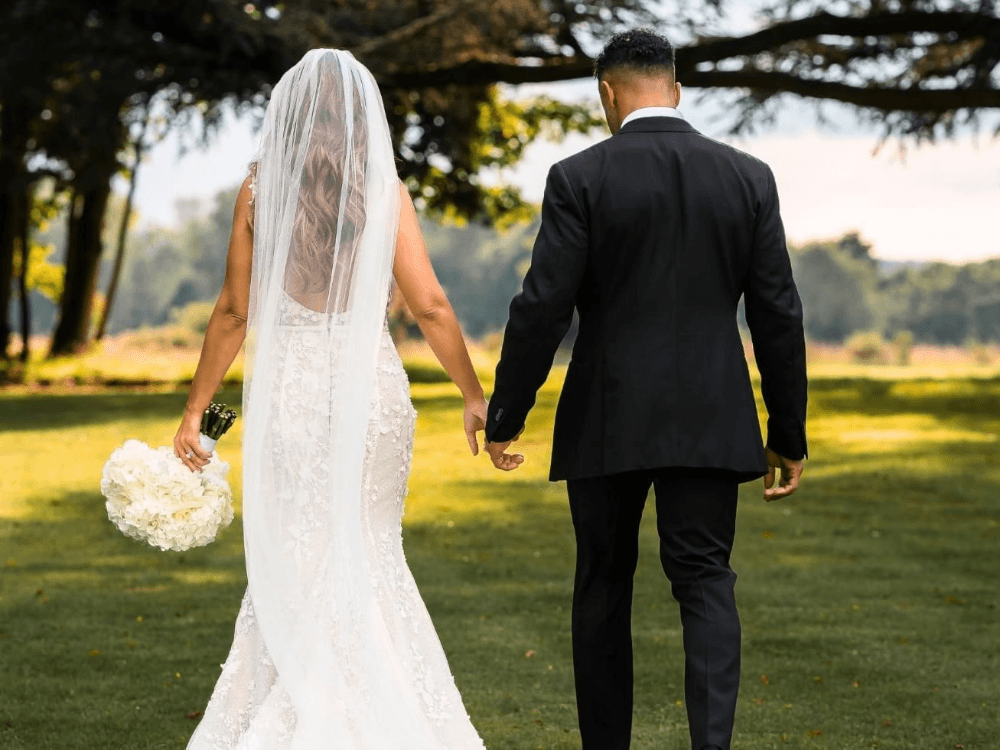
Veil symbolism has never had just one meaning. In ancient traditions, veils helped protect brides from harmful forces. In religious ceremonies, they often symbolized modesty, reverence, and spiritual dignity. In Western bridal fashion, they became connected to purity, romance, and elegance. Meanwhile, in modern weddings, veils often represent personal style, family history, and emotional transformation.
Ultimately, the veil has lasted because it can adapt. A bride may wear one for faith, fashion, drama, heritage, or love. She may also choose not to wear one at all. Either way, the veil remains powerful because it turns a moment of transition into something visible, memorable, and deeply symbolic.