📑Table of Contents:
- What Are Animatronics?
- Why Do Animatronics Look So Creepy?
- Movement Makes Animatronics Even Scarier
- The Eyes Create Much of the Fear
- Broken Animatronics Are Often Scarier Than New Ones
- Why Abandoned Animatronics Feel Especially Disturbing
- Five Nights at Freddy’s Changed Animatronic Horror
- Haunted Houses Use Animatronics Differently
- Clown Animatronics Can Be Particularly Terrifying
- Dinosaur Animatronics Can Also Become Frightening
- Mechanical Sounds Add Another Layer of Horror
- Why Old Children’s Animatronics Become Horror Material
- Are Animatronics Actually Dangerous?
- What Makes a Terrifying Animatronic Effective?
- Why We Keep Loving Terrifying Animatronics
- Final Thoughts
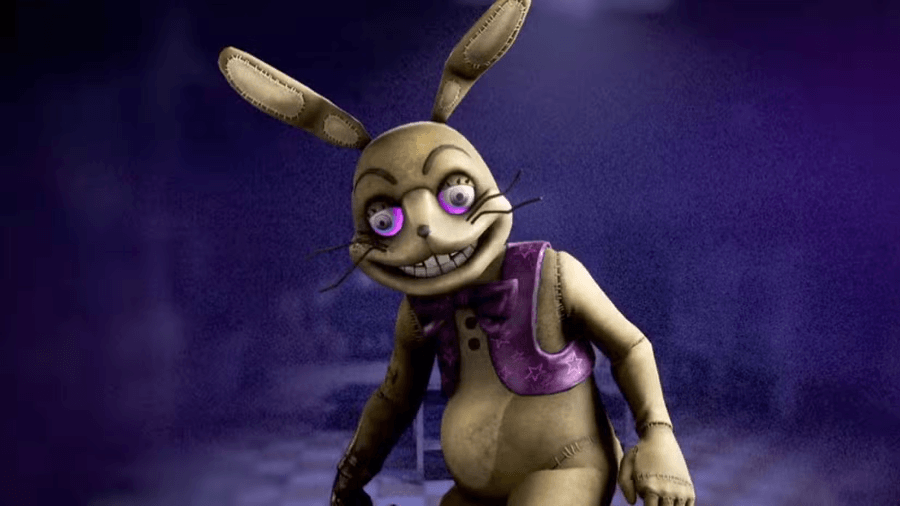
Animatronics can make theme parks, haunted houses, museums, restaurants, and movies feel more immersive. However, the same technology that brings fictional characters to life can also produce something deeply unsettling.
Terrifying animatronics occupy a strange space between machine and living creature. They move like people or animals, yet their timing often feels slightly wrong. Their faces may smile without changing expression, their eyes may stare too long, and their mechanical movements can suddenly become unpredictable.
As a result, animatronics have become a major part of horror culture. Haunted attractions deliberately use distorted robotic figures to scare visitors, while movies and video games turn malfunctioning entertainment robots into monsters. Meanwhile, older family-friendly animatronics sometimes become frightening simply because aging motors, damaged costumes, and dim lighting change their appearance.
So, why do animatronics scare us so effectively? The answer involves psychology, engineering, nostalgia, horror design, and the uncomfortable boundary between human and machine.
What Are Animatronics?
Animatronics are mechanical or robotic figures designed to imitate the movement of living creatures.
Engineers typically use motors, pneumatic systems, hydraulic components, cables, or electronic controls to move parts of the figure. As a result, an animatronic character might turn its head, blink, move its mouth, raise its arms, or perform a complex sequence of actions.
Theme parks use sophisticated animatronics to create immersive characters. Likewise, museums use them to recreate historical figures, dinosaurs, or animals.
However, haunted attractions often take the same basic technology in a much darker direction.
Instead of smooth movements and friendly expressions, horror animatronics may shake violently, lunge forward, open oversized mouths, or appear suddenly from darkness.
As a result, the technology can create either wonder or fear, depending on how designers use it.
Why Do Animatronics Look So Creepy?
One of the biggest reasons involves the uncanny valley.
The uncanny valley describes the discomfort people may feel when something looks almost human but not quite right.
For example, a cartoon face clearly does not look real, so viewers usually accept it easily. However, a realistic artificial face with strange eyes or stiff movements may trigger a stronger reaction.
Animatronics often fall directly into this uncomfortable middle ground.
Their skin may resemble human skin, yet it does not move naturally. Their eyes may look realistic, yet they lack subtle emotional changes. Additionally, their smiles can remain fixed even when the rest of the face stays motionless.
So the brain recognizes something familiar while also noticing something is wrong.
That conflict can make even a harmless character surprisingly disturbing.
Movement Makes Animatronics Even Scarier
Appearance alone does not explain why some animatronics feel frightening.
Movement often creates the strongest reaction.
Humans constantly interpret body language without consciously thinking about it. We understand how someone normally turns their head, moves their arms, or shifts their weight.
However, animatronics rarely reproduce every part of human movement perfectly.
A robot may turn its head too quickly, stop too suddenly, or repeat the same movement every few seconds.
As a result, viewers notice the mechanical pattern.
Slow movement can also feel unsettling. For example, an animatronic that gradually turns its head toward you can build tension because you know the movement is artificial but still feel watched.
Meanwhile, sudden movements produce a different type of fear.
Haunted attractions often combine long periods of stillness with explosive motion. As a result, visitors may assume a figure is simply a decoration before it suddenly lunges forward.
The Eyes Create Much of the Fear
Eyes play an enormous role in human communication.
We instinctively watch where other people look because eye direction helps us understand attention and intention.
Therefore, animatronic eyes can become extremely unsettling when they do not behave naturally.
Some older figures have eyes that move independently or stop in unusual positions. Others stare forward continuously without blinking.
Additionally, damaged animatronics may have one eye positioned differently from the other.
That creates an immediate sense that something is wrong.
Horror designers often exaggerate this effect. For example, they may use oversized eyes, completely black eyes, illuminated pupils, or eyes that suddenly move toward visitors.
Consequently, even a relatively simple mechanical face can become terrifying once designers change the gaze.
Broken Animatronics Are Often Scarier Than New Ones
A brand-new animatronic may appear impressive rather than frightening.
However, deterioration can completely change its personality.
Over time, costumes can fade, foam can crack, synthetic skin can tear, and mechanical components may lose their smooth movement.
As a result, an originally friendly character can begin to look disturbing.
A damaged smile may expose internal mechanisms. Meanwhile, worn fur can reveal metal frames underneath.
Additionally, old motors may cause jerky movements or strange sounds.
That combination creates a powerful horror image because viewers can still recognize the figure’s original friendly purpose.
Therefore, abandoned or broken animatronics often feel more frightening than monsters designed specifically to scare people.
Why Abandoned Animatronics Feel Especially Disturbing
Abandoned entertainment spaces already create an eerie atmosphere.
An empty amusement park, closed restaurant, or dark arcade normally feels wrong because we expect those places to contain people, music, and activity.
Now add a motionless animatronic.
Suddenly, the space contains something that looks capable of movement even though everything around it appears dead.
As a result, people may start imagining the figure will move when they look away.
Dust, broken lights, torn costumes, and exposed machinery make the scene even more disturbing.
Moreover, abandoned animatronics carry traces of their original purpose.
They once entertained children or welcomed visitors. Seeing them damaged and forgotten creates a strange mix of nostalgia and fear.
Five Nights at Freddy’s Changed Animatronic Horror
Modern interest in terrifying animatronics owes much to Five Nights at Freddy’s.
The game series transformed restaurant-style entertainment robots into horror icons.
Characters such as Freddy Fazbear, Bonnie, Chica, and Foxy look like colorful family mascots. However, their damaged mechanical bodies, fixed expressions, and nighttime behavior turn them into threats.
The concept works particularly well because it corrupts something familiar.
Many people remember restaurants or entertainment venues that used mechanical characters on stage. So the idea of those figures coming alive after closing time taps into a shared cultural memory.
Moreover, the games use limited movement to build fear.
Players often do not watch the animatronics walk directly toward them. Instead, the characters disappear from one camera and appear somewhere closer.
As a result, imagination fills in the missing movement.
That approach made animatronics central to a new generation of horror.
Haunted Houses Use Animatronics Differently
Professional haunted attractions often use animatronics as part of larger scare sequences.
A figure may appear motionless until a hidden sensor detects a visitor.
Then, motors or pneumatic systems trigger sudden movement.
For example, a creature might shoot forward from a wall, drop from the ceiling, or rise unexpectedly from the floor.
Sound effects usually accompany the movement.
Therefore, the scare combines visual motion, noise, timing, and surprise.
However, the best horror animatronics don’t always rely on jump scares.
Some slowly move in the background, creating anxiety before visitors reach them.
Others appear slightly human but move in deliberately unnatural ways.
As a result, designers can create fear through anticipation as effectively as sudden movement.
Clown Animatronics Can Be Particularly Terrifying
Clowns already create mixed emotional reactions.
Their exaggerated smiles, painted faces, large eyes, and unusual proportions can appear cheerful or disturbing depending on the setting.
Therefore, turning a clown into an animatronic intensifies many existing horror elements.
A mechanical clown can smile continuously while its head rotates or its eyes track visitors.
Additionally, designers can exaggerate teeth, facial expressions, and body proportions far beyond what a human actor could comfortably achieve.
As a result, clown animatronics remain common in haunted attractions.
The contrast matters as well.
Clowns traditionally represent entertainment and laughter. Therefore, transforming them into threatening mechanical figures follows the same horror principle as turning friendly mascots into monsters.
Dinosaur Animatronics Can Also Become Frightening
Not every terrifying animatronic looks human.
Large dinosaur figures can create fear through scale and movement.
A life-sized Tyrannosaurus rex that turns its head, roars, and opens its jaws can trigger a strong physical reaction, even when visitors know it is mechanical.
Moreover, realistic skin textures and synchronized sound can increase the illusion.
Theme parks often use dinosaur animatronics for excitement rather than pure horror. However, dim lighting, unexpected movement, and close viewing distances can make the experience genuinely frightening for some visitors.
So animatronic fear doesn’t always depend on the uncanny valley.
Sometimes size, sound, and sudden motion provide enough intensity on their own.
Mechanical Sounds Add Another Layer of Horror
A perfectly silent animatronic may look eerie.
However, hearing the machinery can make it even more disturbing.
Clicking gears, compressed air, whining motors, and metal joints remind viewers that something mechanical exists underneath the artificial skin.
Usually, designers try to hide these sounds.
In horror environments, however, mechanical noise can become an advantage.
For example, hearing a motor activate in a dark room signals that something is about to move.
As a result, the sound creates anticipation before the visitor even sees the animatronic.
This makes mechanical noise similar to footsteps in a horror movie.
You know something is approaching even when you cannot see it yet.
Why Old Children’s Animatronics Become Horror Material
Some of the most unsettling animatronics were never designed to scare anyone.
Old children’s entertainment robots often become horror images because their visual style changes with age.
Bright colors fade. Fabric deteriorates. Plastic faces yellow. Older mechanical systems can also create stiff movements that seem unnatural compared with modern robotics.
Cultural expectations also change.
A mascot that looked charming in the 1980s may appear strange to modern viewers because entertainment design has evolved.
Therefore, nostalgia can become uncomfortable.
People may remember the characters fondly while simultaneously finding their current appearance frightening.
That emotional contradiction gives old animatronics unusual horror potential.
Are Animatronics Actually Dangerous?
Most professionally maintained animatronics operate with safety systems and controlled movement zones.
However, they remain machines with moving components.
Operators must prevent visitors from touching internal mechanisms or entering restricted areas.
Large pneumatic or hydraulic systems can generate significant force. Likewise, moving arms, jaws, platforms, or other components can injure someone if they enter the wrong area.
For that reason, professional installations use barriers, sensors, emergency stops, controlled distances, and regular maintenance.
However, the perceived danger usually exceeds the actual danger for visitors.
A giant mechanical monster may look ready to attack, yet designers carefully control its movement.
That contrast allows animatronics to create intense fear while remaining part of a managed attraction.
What Makes a Terrifying Animatronic Effective?
The scariest animatronics usually combine several elements rather than relying on appearance alone.
First, the figure needs a memorable design.
Next, movement should feel slightly unpredictable.
Additionally, lighting can hide parts of the figure until the right moment.
Sound creates another layer, while timing determines whether the scare works.
Most importantly, designers understand anticipation.
If visitors clearly know exactly when an animatronic will move, the effect quickly weakens.
However, if the figure remains still long enough to create doubt, even a small movement can become terrifying.
Therefore, successful animatronic horror depends as much on psychology as engineering.
Why We Keep Loving Terrifying Animatronics
People may fear animatronics, yet they also find them fascinating.
Part of the appeal comes from knowing that the threat is artificial.
You can examine the character, admire its mechanics, and experience the adrenaline of being frightened without facing a real monster.
Additionally, animatronics combine art and engineering.
Designers must think about sculpture, costume work, electronics, robotics, sound, programming, and psychology.
As a result, a successful horror animatronic becomes both a technical achievement and a theatrical performance.
This explains why fans collect photos of abandoned animatronics, watch restoration videos, visit haunted attractions, and discuss famous mechanical characters online.
Fear becomes part of the entertainment.

Final Thoughts
Terrifying animatronics work because they challenge the boundary between something alive and something artificial.
A human-shaped robot can look almost realistic while moving slightly incorrectly. Meanwhile, an abandoned mascot can transform childhood nostalgia into something unsettling simply through age and damage.
Additionally, horror games such as Five Nights at Freddy’s have introduced mechanical monsters to a new generation, while haunted attractions still use physical animatronics to create scares that digital effects can’t fully replace.
The most frightening examples combine realistic details with unnatural movement, fixed expressions, strange eyes, mechanical sounds, darkness, and unpredictable timing.
Ultimately, terrifying animatronics reveal something interesting about fear itself. We do not always fear what looks completely unfamiliar. Sometimes the things that disturb us most look almost familiar—but move, stare, and behave just differently enough to tell our brains something is wrong.