📑Table of Contents:
- Why The Serena Williams Skin Bleaching Rumor Started
- What Serena Williams Said About The Claims
- How Makeup And Lighting Can Change Skin Tone
- Why The Rumor Became A Bigger Conversation
- How Serena Williams Has Faced Appearance Criticism Before
- The Role Of Wyn Beauty
- Why Responsible Coverage Matters
- What The Debate Reveals About Social Media
- Final Thoughts On Serena Williams Skin Bleaching Rumors
Last updated on June 16th, 2026 at 06:30 pm
Serena Williams has spent decades in the spotlight as one of the greatest athletes in sports history. However, her fame has also brought constant scrutiny. Fans and critics have commented on her body, hair, fashion, femininity, and personal choices throughout her career. Recently, that scrutiny shifted toward her skin tone.
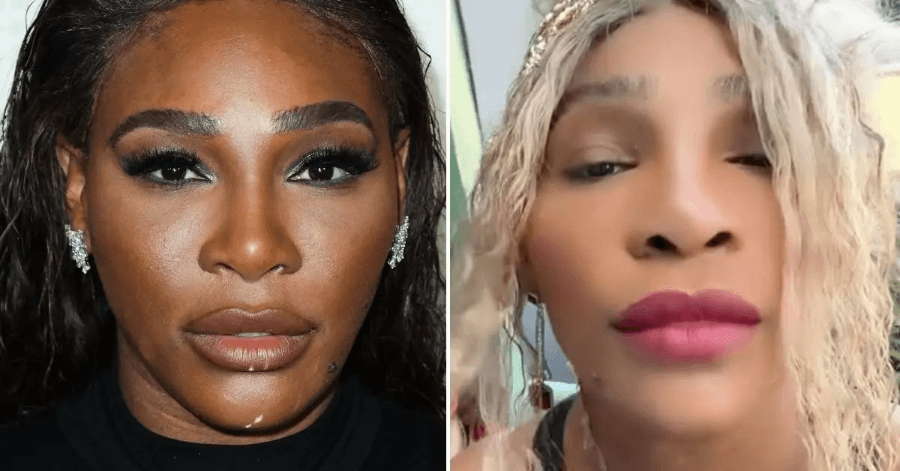
The phrase “Serena Williams skin bleaching” began trending after social media users reacted to videos and photos showing Williams with a lighter complexion. Some people quickly claimed that she had bleached her skin. However, Williams directly denied the accusation during an Instagram Live makeup tutorial for her beauty brand, Wyn Beauty. She called the claims ridiculous and explained that lighting, sunlight, and stage makeup affected how she appeared in the viral clip.
Therefore, the most accurate answer is simple: Serena Williams has denied bleaching her skin, and no credible evidence proves otherwise. Still, the rumor became a wider conversation about colorism, celebrity beauty standards, and the way people police Black women’s appearances online.
Why The Serena Williams Skin Bleaching Rumor Started
The latest round of speculation began after a video of Serena Williams at a school event circulated online. Some viewers thought her complexion looked lighter than usual. Then, the conversation quickly moved from observation to accusation.
However, viral clips rarely tell the full story. Lighting can change how skin appears on camera. Makeup can also look different under bright stage lights, natural sunlight, indoor bulbs, and phone cameras. Additionally, filters, camera exposure, flash, social media compression, and screen brightness can all shift a person’s skin tone in photos or videos.
Williams addressed this directly. She said she had worn stage makeup while helping at her daughter’s play. She also pointed to sunlight and lighting as reasons her complexion looked different in the clip.
As a result, the rumor says more about assumptions about the internet than about Williams herself. A short clip created a major claim, and that claim spread before many people heard her explanation.
What Serena Williams Said About The Claims
Serena Williams did not ignore the rumors. Instead, she confronted them during an Instagram Live session while demonstrating Wyn Beauty products.
She clearly denied the claims and explained that her skin can look different due to sunlight and makeup. She also emphasized that she loves her dark skin. Additionally, Williams made it clear that she does not judge people who make different beauty choices. However, she rejected the idea that she bleaches her own skin.
That response matters because Williams corrected the record without shaming others. She defended herself, affirmed her identity, and pushed back against people who made assumptions about her appearance.
How Makeup And Lighting Can Change Skin Tone
Makeup and lighting can dramatically change how skin looks on camera. For example, stage makeup often appears heavier or brighter than everyday makeup because performers need their features to stand out under lights. However, in casual footage, that same makeup can look unusually pale, matte, warm, or cool.
Moreover, cameras adjust automatically. A phone may brighten a person’s face if the background looks dark. It may also wash out skin tone under direct sunlight or strong indoor lighting. Consequently, one video can make someone look much lighter than they appear in person.
Therefore, a viral image should not be taken as proof of a major personal decision. Photos and videos can mislead, especially when viewers see them without context.
Why The Rumor Became A Bigger Conversation
The Serena Williams skin-bleaching debate touched on a deeper issue: colorism. Colorism refers to preference or discrimination based on skin tone, often within communities of color. In many societies, lighter skin has historically been associated with beauty, social, or professional advantages, while darker skin has faced stigma.
Because of that history, rumors about skin bleaching carry emotional weight. Some fans reacted with concern because they understand the pressure darker-skinned women often face. However, many critics used the rumor to mock or attack Williams rather than discuss the issue thoughtfully.
Williams’ own response stayed clear. She said she loves who she is and how she looks. Therefore, the conversation should not center on judging her. Instead, it should focus on why people feel entitled to analyze and criticize Black women’s bodies so aggressively.
How Serena Williams Has Faced Appearance Criticism Before
The skin bleaching rumor fits a long pattern of public scrutiny. Throughout her tennis career, Serena Williams faced comments about her muscular build, hairstyles, clothing, and femininity. Even when she won Grand Slam titles and changed tennis history, critics often focused on her appearance.
Additionally, Williams has used beauty and fashion as forms of self-expression. She has worn bold tennis outfits, launched fashion projects, and created Wyn Beauty. Yet the public often judges those choices harshly because she is a highly visible Black woman.
That context matters. When Williams changes makeup, lighting, styling, hair, or weight, the internet often treats the change as evidence of something extreme. As a result, normal shifts in appearance become public controversies.
The Role Of Wyn Beauty
The rumor also intersected with Williams’ beauty brand, Wyn Beauty. During the Instagram Live where she addressed the accusation, she demonstrated the brand’s makeup products. That setting mattered because makeup sat at the center of the misunderstanding.
In other words, she did not just deny the claim. She also showed how complexion products can change someone’s appearance on camera.
Furthermore, the moment highlighted a double standard. People expect celebrity women to look polished, but they criticize them for using makeup. They expect confidence, yet they question every visible change. Williams pushed back against that impossible standard.
Why Responsible Coverage Matters
Responsible coverage must make one fact clear: Serena Williams has denied bleaching her skin, and credible reporting has not proved otherwise. Writers should not present the accusation as truth.
This distinction matters because skin bleaching carries health, cultural, and emotional significance. Accusing someone without evidence can reinforce harmful beauty narratives and deepen unfair scrutiny.
Instead, coverage should focus on verified facts. Williams faced online speculation. She denied the claim. She cited makeup, lighting, and sunlight. Anything beyond that remains speculation.
What The Debate Reveals About Social Media
The controversy shows how quickly social media turns visual uncertainty into a confident accusation. People often see one clip, compare it with another image, and assume they know the full story. However, photos can mislead, and viral posts often lack context.
Moreover, outrage spreads fast. A harsh claim often travels farther than a careful explanation. Consequently, the accusation gained attention before many users saw Williams’ response.
This pattern affects many celebrities, especially Black women. A makeup change becomes “proof” of a procedure. A camera angle becomes “proof” of a transformation. A shift in lighting becomes “proof” of skin bleaching. Therefore, the conversation often becomes less about truth and more about policing appearance.

Final Thoughts On Serena Williams Skin Bleaching Rumors
Serena Williams has denied bleaching her skin. She explained that makeup, sunlight, and lighting affected how she appeared in viral images.
Ultimately, the controversy says more about public scrutiny than about Williams. A brief video sparked assumptions, and those assumptions became headlines. However, the facts remain straightforward: Williams says she does not bleach her skin, and no credible evidence proves otherwise.
The larger conversation still matters. It highlights colorism, beauty pressure, and the unfair standards placed on Black women in public life. It also reminds readers to treat viral images with caution. Lighting changes. Makeup changes. Cameras distort. But a person’s dignity should not depend on one online clip.
Serena Williams has spent her career defining herself on her own terms. In this case, she did the same again. She rejected the rumor, affirmed pride in her appearance, and reminded critics that she does not need their permission to look like herself.