📑Table of Contents:
- What Melanoma Actually Is
- Why Celebrity Cases Carry So Much Weight
- Teddi Mellencamp: When Melanoma Becomes a Long Public Battle
- The Danger of Assuming a Spot Is “Nothing”
- Bob Marley: A Different, Crucial Melanoma Story
- The Risk of Blurring Melanoma With Other Skin Cancers
- What These Stories Teach Beyond Fear
- Why This Topic Still Matters in 2026
- Final Thoughts
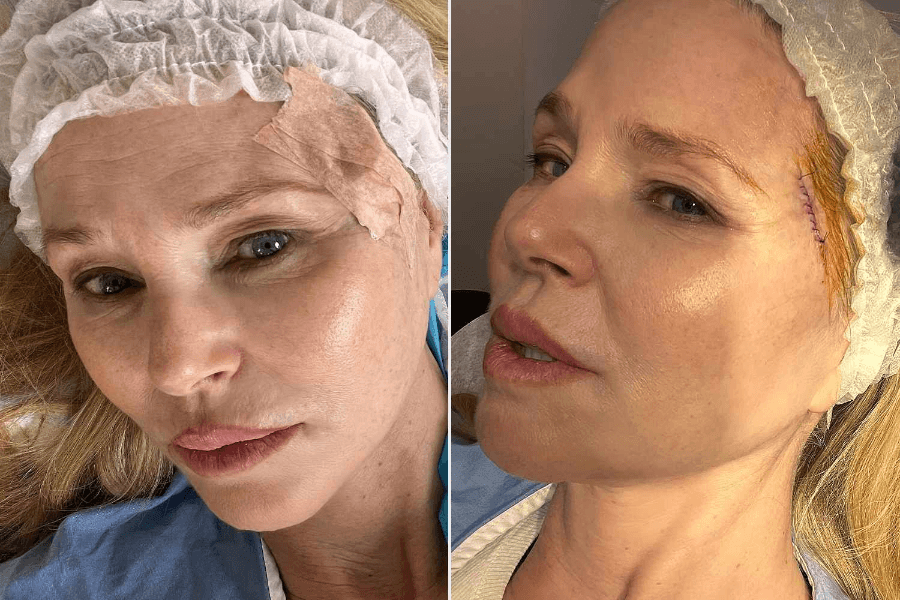
A “melanoma celebrity” story usually starts with a familiar pattern. A well-known figure shares a diagnosis, posts a photo of a scar, recalls a frightening biopsy, or urges fans to get checked. Then, the internet turns that moment into a headline. However, the deeper value of these stories is not celebrity curiosity. Instead, it is public health visibility. Melanoma accounts for only about 1% of skin cancers, yet it causes a large majority of skin cancer deaths because it is much more dangerous once it spreads. Therefore, when a public figure talks openly about melanoma, the story can do something useful: it can make a serious disease feel real enough for people to act on.
That matters because melanoma can be both highly treatable and highly dangerous, depending on when it is found. The American Academy of Dermatology calls melanoma the “most serious skin cancer” because it can spread from the skin to other parts of the body, while the American Cancer Society notes that melanoma is much more likely to grow and spread than more common skin cancers. Consequently, celebrity disclosures can matter most when they shift attention away from gossip and toward timing, detection, and prevention.
What Melanoma Actually Is
Melanoma is a cancer that begins in melanocytes, the cells that make pigment in the skin. The American Cancer Society explains that melanoma is less common than some other skin cancers, but far more dangerous if not found early. That is why so many awareness campaigns focus on skin checks, changing moles, and new suspicious spots. In other words, the central message is not simply “wear sunscreen.” It is “pay attention early, because delay changes the stakes.”
Moreover, the American Academy of Dermatology emphasizes the ABCDE warning signs of melanoma: asymmetry, border irregularity, color variation, diameter, and evolution. That last point, evolution, often matters most in real life. A spot that changes, bleeds, itches, or looks unlike others deserves attention. Therefore, the most useful celebrity melanoma story is the one that teaches people what to look for before the disease progresses.
Why Celebrity Cases Carry So Much Weight
Celebrity illness stories travel farther than ordinary public-health advice because they attach medical reality to a face people already recognize. A dermatologist can explain risk factors clearly, and that guidance is essential. Still, many people do not fully absorb it until they see someone familiar describing a scar, a surgery, or a frightening diagnosis. Consequently, public figures often become accidental health messengers.
That does not mean celebrity stories should replace expert guidance. They should not. However, they can work as a bridge. They bring attention. Then, ideally, medical organizations such as the AAD and ACS provide the facts that help people respond well.
In that sense, celebrity melanoma stories matter most when they push people toward actual skin checks and professional evaluation rather than into fear or superficial before-and-after fascination.
Teddi Mellencamp: When Melanoma Becomes a Long Public Battle
Teddi Mellencamp’s cancer story is one of the clearest modern examples of how melanoma can evolve from a skin diagnosis into a life-threatening illness. ABC News reported in April 2025 that Mellencamp said her stage 4 melanoma had spread to her brain and lungs after years of dealing with melanoma and multiple procedures. That progression immediately changed the story’s public tone. This was no longer a simple “spot removed” narrative. It became a vivid reminder that melanoma can metastasize and become far more dangerous.
Mellencamp’s case also shows why regular screening matters even after an initial diagnosis. Her public updates have repeatedly emphasized surgeries, new tumors, treatment, and long-term monitoring. Therefore, her story carries a message stronger than generic awareness language: melanoma is not trivial, and ignoring follow-up care can be devastating. When celebrities share this kind of medically serious journey, they can help dismantle the common assumption that skin cancer is always minor.
The Danger of Assuming a Spot Is “Nothing”
Khloé Kardashian’s melanoma story resonated for a different reason. ABC News reported that she said she had a melanoma tumor removed from her cheek after initially assuming the area was a pimple for more than a year. That detail matters because it reflects exactly how many people miss early warning signs. A suspicious spot does not always look dramatic. Sometimes it looks ordinary enough to dismiss. Consequently, Kardashian’s story became a strong example of why persistent or changing facial lesions deserve medical attention rather than home remedies.
Additionally, her openness about the visible aftermath helped widen the conversation. The public did not only see the diagnosis. It also saw the scar, the healing process, and the changes to her face. That kind of visibility can help people understand that skin cancer treatment is not an abstract concept. It can involve surgery, reconstruction, and emotional adjustment, especially when the lesion is on the face. Therefore, her story worked not just as a warning, but also as a more realistic picture of what treatment can involve.
Bob Marley: A Different, Crucial Melanoma Story
Bob Marley’s melanoma story remains especially important because it complicates one of the most persistent myths about skin cancer: the idea that melanoma is only a “sunburn disease” affecting fair-skinned people in obvious sun-exposed places. The Skin Cancer Foundation explains that Marley died from acral lentiginous melanoma, a rare subtype that commonly appears on non-hair-bearing surfaces such as the soles, palms, and under nails. The University of Colorado Cancer Center likewise notes that Marley’s cancer formed under the nail of a big toe and was initially mistaken for an injury.
That history matters enormously because acral lentiginous melanoma can be missed precisely because it does not fit the stereotype. It is not driven by the same visible sun-exposure pattern many people associate with melanoma, and it can appear in people with darker skin tones. Therefore, Marley’s story remains one of the most educational melanoma celebrity cases. It reminds people that “check your skin” should not mean “only check the places the sun hits most.” It should also mean feet, nails, and overlooked areas.
The Risk of Blurring Melanoma With Other Skin Cancers
One reason the “melanoma celebrity” topic gets messy is that people often lump all skin cancers together. From a public health perspective, any skin cancer story can help raise awareness. However, from a medical standpoint, melanoma is not interchangeable with basal cell or squamous cell carcinoma. For example, Hugh Jackman’s public skin-cancer advocacy has been valuable, but the reports most commonly associated with him concern basal cell carcinoma rather than melanoma. That distinction matters because melanoma behaves differently and generally carries a much higher risk of dangerous spread.
Therefore, a good melanoma article should be careful to name only those celebrities whose public stories specifically involve melanoma or clearly relate to melanoma awareness. Otherwise, the article risks muddying the exact disease category people need to understand.
What These Stories Teach Beyond Fear
The best celebrity melanoma stories do not only scare people. They teach pattern recognition. Teddi Mellencamp’s story teaches that melanoma can progress aggressively and require long-term vigilance. Khloé Kardashian’s story teaches that an ordinary-looking facial spot can still be serious. Bob Marley’s story teaches that melanoma can appear in places people rarely think to check and in populations that are often excluded from skin-cancer stereotypes. Taken together, those examples expand the public understanding of what melanoma can look like and who it can affect.
Moreover, these cases reinforce the practical guidance experts keep repeating. The AAD recommends regular self-exams and urges people to notice new, changing, itching, or bleeding spots. The organization also stresses prevention through sun protection, including seeking shade, wearing protective clothing, and using sunscreen appropriately. Therefore, the smartest takeaway from any celebrity melanoma story is not fascination with the person. It is an action for yourself.
Why This Topic Still Matters in 2026
Celebrity melanoma stories still matter because melanoma itself still matters. The American Cancer Society’s current statistics page notes that melanoma makes up only a small share of skin cancers but causes a large majority of skin-cancer deaths. That single contrast explains why public awareness cannot afford to become casual. A disease that is uncommon relative to other skin cancers can still deserve outsized attention if its consequences are severe.
Additionally, public attention around melanoma remains necessary because prevention and early detection are genuinely useful here. Some cancers are harder to see until symptoms escalate. Melanoma often begins with something visible enough to catch if people know what to look for. Therefore, awareness is not symbolic. It can change outcomes.

Final Thoughts
A melanoma celebrity story matters most when it moves beyond celebrity. Teddi Mellencamp’s public battle shows how dangerous advanced melanoma can become. Khloé Kardashian’s story shows how easy it is to dismiss a suspicious spot as harmless. Bob Marley’s history shows that melanoma can appear in overlooked places and outside the usual public stereotype. Together, these cases make one point very clear: melanoma is serious, varied, and worth catching early.
Ultimately, the value of this topic is not in the names alone. It is in what those names can help people remember: check your skin, take changes seriously, protect yourself from excess UV exposure, and see a dermatologist if something looks wrong. That is the part of the story that can actually save lives.