📑Table of Contents:
Last updated on June 16th, 2026 at 05:53 pm
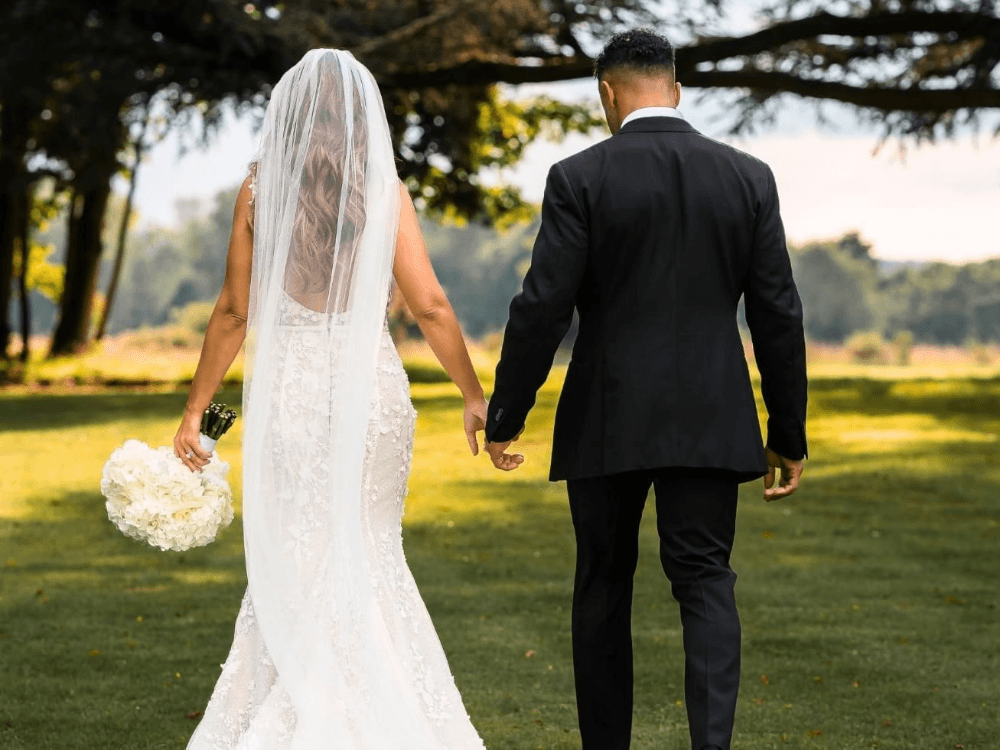
Marriage veils have remained one of the most recognizable bridal accessories for centuries. However, their meaning has changed dramatically across cultures, religions, and generations. For some brides, a veil represents purity, modesty, or reverence. For others, it honors family tradition, adds drama to the bridal look, or creates an emotional moment in the ceremony.
Today, the meaning of marriage veils depends less on strict rules and more on personal choice. Still, the history behind the veil gives this simple piece of fabric surprising depth. From ancient superstition to modern fashion, the bridal veil continues to carry layers of meaning, making it more than a decorative accessory.
What Is a Marriage Veil?
A marriage veil, often called a wedding veil or bridal veil, is a piece of fabric worn by a bride during the wedding ceremony or celebration. It may cover the face, fall from the crown of the head, attach to a comb, or trail behind the gown. Depending on the style, a veil can look delicate, dramatic, traditional, or modern.
Most veils are made of sheer fabrics such as tulle, lace, organza, chiffon, or silk. Additionally, brides may choose embroidery, pearls, crystals, appliqué, or custom messages to personalize the design.
Although many people picture a white veil at a Western wedding, bridal veiling traditions take many forms around the world. Some brides wear lace mantillas, others wear dupattas, and some choose head coverings connected to faith, region, or family custom.
The Ancient Meaning of Marriage Veils
The earliest meanings of marriage veils often involved protection. In ancient cultures, people believed veils could shield brides from evil spirits, envy, or bad luck. Because weddings marked a major life transition, brides often wore special garments and coverings to protect themselves during the ceremony.
In ancient Rome, brides wore a flame-colored veil called the flammeum. This veil helped mark the bride as someone entering a sacred and important union. Moreover, the veil created a sense of mystery and ritual around the wedding.
Over time, the veil also became linked with modesty and social expectations. In many societies, covering a woman’s hair or face suggested humility, respect, or chastity. Therefore, marriage veils often reflected the values of the community as much as the bride’s feelings.
Marriage Veils and the Symbol of Purity
One of the most familiar meanings of marriage veils in Western tradition is purity. For many years, the white veil and white wedding dress worked together as symbols of innocence, virtue, and a fresh beginning.
However, this meaning did not always exist in the same way. White bridal fashion became especially influential after Queen Victoria wore a white wedding dress in 1840. Afterward, white gowns and veils grew more popular in Western weddings and came to be more strongly associated with purity and tradition.
Today, some brides still connect the veil with purity or spiritual preparation. However, many others choose a veil without attaching that meaning to it. As a result, the symbol has become more flexible. A bride can honor tradition while defining the meaning for herself.
Religious Meaning of Marriage Veils
Marriage veils also carry religious significance in several traditions. In Christian weddings, veils have often represented modesty, reverence before God, and the sacred nature of marriage vows. In Catholic ceremonies, especially, some brides choose veils because they connect the accessory with humility, devotion, and respect in a church setting.
In Jewish weddings, the veil plays an important role in the bedeken ceremony. During this tradition, the groom places the veil over the bride’s face before the wedding ceremony. This moment can symbolize modesty, care, and the groom’s valuing of the bride’s inner qualities. Additionally, it recalls the biblical story of Jacob, Leah, and Rachel, in which mistaken identity shaped the marital narrative.
In Islamic weddings, veiling practices vary widely across cultures and personal beliefs. Some Muslim brides wear hijabs, niqabs, or other head coverings as expressions of modesty and faith. Meanwhile, other brides incorporate veils as part of regional wedding attire rather than a single universal Islamic practice.
In Hindu and South Asian weddings, brides may wear a dupatta, chunri, or ghoonghat over the head. These coverings often symbolize respect, tradition, blessing, and the bride’s transition into married life. Additionally, the fabric may carry rich colors, embroidery, and family significance.
The Meaning of Lifting the Veil
The veil-lifting moment remains one of the most emotional parts of many wedding ceremonies. Traditionally, the groom might lift the bride’s veil before the kiss. In some interpretations, this act symbolized the bride’s transition into marriage or the groom’s reception of his bride.
However, modern couples often reinterpret the moment. Some brides ask a parent to lift the veil before giving them away. Others lift it themselves to show independence and agency. Meanwhile, many couples skip the face veil entirely and wear the veil behind the head.
Because of these choices, veil lifting no longer carries only one meaning. Instead, it can represent intimacy, trust, family blessing, personal confidence, or simply a beautiful ceremony detail.
Popular Types of Marriage Veils and Their Meanings
Different veil styles can create different moods. Although the meaning depends on the bride, each style often suggests a particular feeling.
- Birdcage veil: Vintage, playful, and fashion-forward
- Blusher veil: Traditional, romantic, and ceremony-focused
- Fingertip veil: Classic, elegant, and easy to wear
- Chapel veil: Formal, graceful, and timeless
- Cathedral veil: Dramatic, regal, and highly traditional
- Mantilla veil: Romantic, lace-focused, and often linked to Spanish influence
- Dupatta or head veil: Cultural, ceremonial, and deeply personal
Therefore, the style a bride chooses can express her personality as much as her beliefs. A cathedral veil may create a grand entrance, while a birdcage veil may suggest confidence and retro charm.
Modern Meaning of Marriage Veils
Modern brides often choose veils for reasons that blend symbolism and style. Some wear a veil because their mother or grandmother wore one. Others choose it because it completes the bridal look. Additionally, some brides like the way a veil creates movement in photos or adds softness to a simple gown.
Today, the veil can mean:
- A connection to family tradition
- A symbol of faith or cultural identity
- A dramatic fashion statement
- A marker of the wedding moment
- A personal expression of romance
- A tribute to heritage
- A way to transform the ceremony’s look
Moreover, many brides now customize veils with embroidered names, wedding dates, vows, flowers, or meaningful phrases. This trend makes the veil feel personal rather than purely traditional.
Do Brides Have to Wear a Veil?
Brides do not have to wear a veil. Although the veil carries a long history, modern weddings allow much more freedom. Some brides choose capes, bows, hats, flowers, headbands, tiaras, or no headpiece at all. Others wear a veil only for the ceremony and remove it for the reception.
The best choice depends on comfort, culture, venue, outfit, and personal meaning. If a veil feels beautiful and meaningful, it can enhance the day. However, if it feels outdated or uncomfortable, a bride can confidently skip it.

Final Thoughts
The meaning of marriage veils has evolved from ancient protection to religious symbolism, cultural identity, fashion, and personal expression. Although veils once carried stricter meanings around purity, modesty, or obedience, modern brides now define the tradition in their own way.
Ultimately, a marriage veil means what the bride wants it to mean. It can honor faith, family, heritage, romance, or style. Therefore, the veil remains powerful not because every bride reads it the same way, but because each bride can make it her own.