📑Table of Contents:
- A Compressed Season With Higher Stakes
- Early Exits That Shifted the Heart of 51
- New Faces and New Energy
- Emotional Arcs That Carried Weight
- Storylines That Honored the Firehouse’s Spirit
- The Finale That Reshaped Everything
- How Season 12 Sets Up the Future of the Show
- Why Season 12 Still Worked Despite Its Short Length
- A Season About Change, Courage, and Continuity
- Conclusion
Last updated on December 13th, 2025 at 05:40 pm
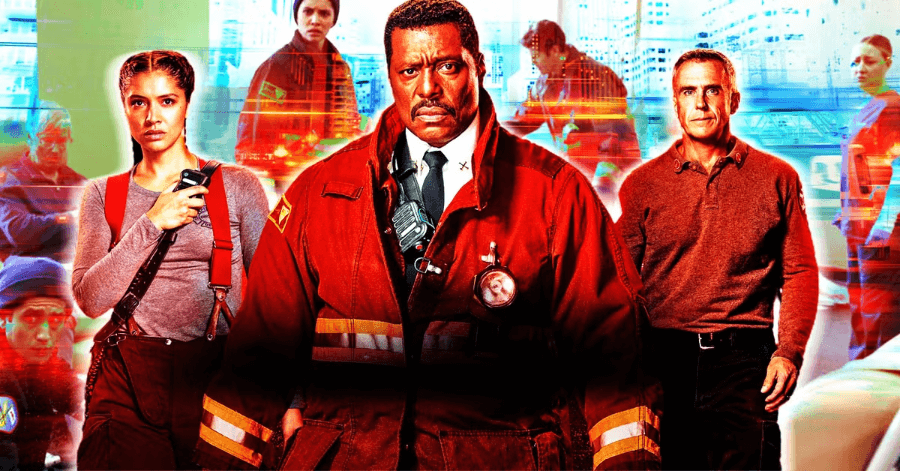
Chicago Fire Season 12 marked a turning point for the long-running series. The season felt different from the start. It arrived later than usual, it ran only 13 episodes, and it carried a tone shaped by transition. Yet it still delivered what fans love: high-stakes rescues, deep bonds, emotional arcs, and the sense that Firehouse 51 keeps standing even when everything around it shifts.
The season balanced heartache with hope. It honored the past while building a new foundation. And although Season 12 was shorter, it made bold moves that will shape the show’s future for years.
A Compressed Season With Higher Stakes
Due to industry-wide delays, Season 12 premiered in January 2024 rather than in the fall. The episode count dropped, but the intensity increased. Every storyline mattered. Every beat moved something forward. Instead of filler, viewers got focused character arcs, clear emotional stakes, and constant forward motion.
The tighter structure helped the show. It made the pacing sharper. It made each rescue more urgent. And it pushed relationships to evolve quickly than usual.
Early Exits That Shifted the Heart of 51
The biggest shock came early. Blake Gallo exited in the first episode. His departure set the tone. It showed that Season 12 would not hold onto characters for the sake of comfort.
Then came another major goodbye. Sylvie Brett, a pillar of the show for years, left midway through the season. Her arc ended with grace and joy, but her absence left a void. She had anchored the paramedic team for so long that fans felt her exit instantly.
Later, the season revealed its most emotional shift. Wallace Boden—Firehouse 51’s anchor and moral center—moved into a new leadership position outside the house. His transition closed an era. It also opened a new one.
Because of these exits, Firehouse 51 felt tender. It felt vulnerable. But it also felt real. Change happens in life, and Season 12 embraced that truth.
New Faces and New Energy
Season 12 did not leave viewers in sorrow for long. It introduced new team members who brought fresh skills and personalities into the firehouse. These additions created new dynamics. They brought new tensions. They also developed new alliances.
Every newcomer had to prove themselves. And because trust takes time, the firehouse needed to adjust. Those uneasy moments grounded the season. They reflected how challenging it can be to join a team built on loyalty and history.
Yet over time, the new energy helped stabilize the house. It gave 51 room to grow into something different—without losing its core identity.
Emotional Arcs That Carried Weight
Chicago Fire never shies away from heart-heavy storylines, but Season 12 approached emotion with even more depth.
Mouch’s recovery arc continued to resonate. His near-death experience in the previous season still shaped him. He worked to find balance, confidence, and strength. And while his journey wasn’t easy, it remained heartfelt and honest.
Relationships across the house also evolved. Some couples faced growing pains. Others found strength through crisis. And some discovered that love inside a firehouse always faces unique pressure.
Each character confronted something personal—grief, self-doubt, career change, or emotional fatigue. These arcs made Season 12 feel intimate despite its shorter length.
Storylines That Honored the Firehouse’s Spirit
Season 12 packed in several rescue moments, but the emotional rescues stood out more than the physical ones. The show explored how firefighters carry burdens, support each other, and navigate the risks they face daily.
It also revisited themes that defined the series from the beginning:
- loyalty under pressure
- courage despite fear
- teamwork built on trust
- sacrifice without recognition
These themes gave the season heart. They reminded viewers why Chicago Fire remains one of television’s most enduring dramas.
The Finale That Reshaped Everything
The final episode brought closure and momentum. It delivered emotional weight without tragedy. It offered hope while acknowledging loss. And it confirmed that Firehouse 51 stands ready to grow again.
Boden’s move into a new leadership role symbolized the season’s message. He didn’t leave out of defeat. He stepped forward. His latest position allows him to influence the department on a larger scale. For him, it was a promotion in purpose—not just rank.
Meanwhile, the remaining team members prepared for another chapter. Some confronted new responsibilities. Some found new confidence. Others embraced the challenge of filling the gaps left behind.
The finale worked because it honored the show’s history without clinging to it. It created a bridge between the past and the future.
How Season 12 Sets Up the Future of the Show
Season 12 hinted at several directions for upcoming storylines:
- New leadership inside the house will reshape the hierarchy.
- Recruits will continue pushing the team dynamic.
- Long-term relationships may enter new phases.
- Ongoing trauma arcs could deepen character development.
The show now stands in rare territory. It has lost major players but gained space to evolve. It can be experimented with. It can rebuild. And although the firehouse looks different, the soul remains the same.
Why Season 12 Still Worked Despite Its Short Length
Many fans feared the reduced episode count would weaken the show. Instead, the opposite happened. Season 12 became efficient. It became emotionally concentrated. It shed filler and focused on core relationships. Because of that, the season felt bold, intentional, and powerful.
Moreover, the shorter season made every moment count. There were no wasted arcs. There were no dragged-out storylines. Everything mattered.
A Season About Change, Courage, and Continuity
Chicago Fire Season 12 carried a message: even when the firehouse changes, its heart endures. Characters may leave. New ones may step forward. But the bonds built through shared danger do not fade.
The season also highlighted a truth fans recognize deeply. Firehouse 51 isn’t just a workplace. It’s family. And family adapts. It grieves, grows, rebuilds, and rises.

Conclusion
Chicago Fire Season 12 delivered one of the most transitional chapters in the series. It said goodbye to fan favorites. It welcomed new faces. It explored emotional wounds. It reshaped the firehouse’s future. And through it all, it kept the show’s heart solid.
This season wasn’t long. But it was meaningful. It was emotional. And it set the stage for a bold new era in Chicago Fire’s legacy.