📑Table of Contents:
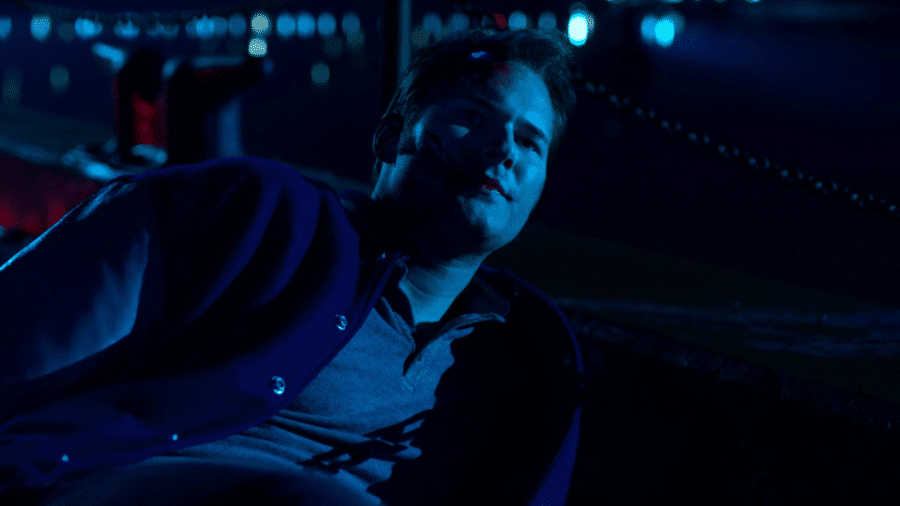
If you came here for the straight answer, here it is: Alex Standall killed Bryce Walker. However, the show doesn’t treat that reveal as a simple “gotcha.” Instead, it builds an entire season around shifting suspicion, emotional fallout, and uncomfortable questions about justice. Therefore, to really understand who killed Bryce Walker, you need to understand what happened before the final shove, why it happened in that moment, and how the group chose to handle the truth afterward.
Season 3 of 13 Reasons Why frames Bryce’s death as a mystery, yet it also frames it as a moral stress test. On one hand, the series asks viewers to play detective. On the other hand, it pushes viewers to sit with the fact that nearly everyone had a reason to hate Bryce. Consequently, the question “Who killed him?” turns into a bigger question: “What does accountability look like when harm spreads through an entire community?”
This blog post breaks down the killer, the motive, the timeline of the night Bryce died, and the cover-up that followed. Additionally, it explains why the show chose Alex, not as the “most obvious” suspect, but as the most thematically loaded one.
The Short Answer: Alex Killed Bryce
Alex Standall kills Bryce Walker in Season 3. He does it by pushing Bryce into the water at the pier after a brutal confrontation. However, Alex doesn’t act emotionally alone in that moment. Jessica Davis stands with him during the confrontation, and the two share the intensity of what happens next. So, while Alex makes the final physical move, the scene carries a shared emotional burden.
Still, the show doesn’t stop at the show. Instead, it zooms out and asks how Bryce ended up there in the first place. Therefore, to understand the killing, you have to track the chain of events that turned Bryce’s last night into a crash of consequences.
Why The Show Makes Bryce’s Death A Mystery
Season 3 could have revealed the killer early and focused on fallout. Instead, it builds a whodunit structure with interviews, flashbacks, and contradictory perspectives. That structure does two jobs at once.
First, it keeps viewers hooked because each episode offers a new “could it be them?” angle. Second, it forces the audience to look at Bryce through multiple lenses: the harm he caused, the damage he carried, and the messy way people responded to him.
Moreover, the mystery format mirrors the show’s broader theme: truth rarely arrives cleanly. People lie to protect themselves. People lie to protect others. And sometimes people lie because they can’t handle what they’ve done. Consequently, the investigation becomes less about “finding facts” and more about watching everyone orbit the same trauma.
The Night Bryce Died: What Actually Happened
To keep this clear, it helps to separate the night into steps. Bryce’s death isn’t one event. Instead, it’s the outcome of escalating confrontations.
Step 1: Bryce reaches a breaking point
By the end of Season 3, Bryce sits in a desperate emotional state. He feels isolated, and he also feels cornered by consequences he can’t reverse. At the same time, he wants relief and connection. Therefore, he tries to talk to people who no longer trust him.
This matters because the show positions Bryce in a limbo: he caused extreme harm, yet he also tries to reshape his story. That tension sets up the final night, because Bryce approaches people who have every reason to reject him.
Step 2: Zach attacks Bryce and leaves him injured
Before Alex enters the picture, Zach Dempsey beats Bryce severely. This moment often confuses viewers because Zach appears to be the killer for a while. However, the show makes an important distinction: Zach inflicts massive damage but does not deliver the final blow that kills Bryce.
Still, Zach’s assault shapes everything that follows. Bryce becomes physically vulnerable. He can’t move well. He struggles to defend himself. Consequently, when a later conflict arises, Bryce cannot escape it.
Step 3: Jessica and Alex find Bryce at the pier
After Zach’s assault, Bryce ends up at the pier. Then Jessica and Alex encounter him. This scene hits hard because it brings survivor, friend, and perpetrator into the same frozen moment.
Jessica stands as someone Bryce assaulted. Alex stands as someone who loves Jessica and who has carried his own mental health struggles. Therefore, when Bryce asks for help, the request lands like a test no one prepared for.
At this point, the show gives Bryce a chance to talk. However, it also shows how little control Bryce has over the moment. He tries to negotiate. He tries to plead. Yet the people in front of him have lived with his consequences for too long.
Step 4: Bryce threatens Jessica’s safety and triggers Alex
The scene intensifies when Bryce’s words sharpen. Whether Bryce intends manipulation, panic, or control, the effect is the same: he pushes Jessica and Alex into fear and rage. In particular, Alex reacts to the idea that Bryce could still harm Jessica, still dominate the situation, and still treat other people’s bodies and lives as leverage.
Therefore, Alex’s decision comes from a protective impulse. It also comes from accumulated resentment. Additionally, it comes from a moment of emotional overload that tips into action.
Step 5: Alex pushes Bryce into the water
This is the moment that answers the mystery. Alex pushes Bryce off the pier and into the water. Because Bryce is injured, cold, and unable to recover, he dies.
The show frames the shove as abrupt. However, it also frames it as the end of a long fuse. So, even though the action happens fast, the build-up spans seasons of pain.
Why Alex? The Motive Behind The Twist
Many viewers expected the show to pick the “most obviously angry” suspect. Instead, it picks Alex, and that choice matters thematically.
Alex embodies fragile stability.
Alex lives with instability and vulnerability. He also lives with a desire to do the right thing. Therefore, he represents a character who tries to hold himself together while pressure keeps rising.
When the show chooses Alex, it chooses someone who feels like a friend, not a villain. Consequently, the reveal forces viewers to confront a darker truth: people you love can still do terrible things in the wrong moment.
Alex’s motive blends protection and rage
Alex doesn’t kill Bryce for sport. He kills Bryce because he believes Bryce remains a threat, especially to Jessica. Moreover, he kills Bryce because the moment becomes intolerable. So, the motive isn’t “murder mystery cleverness.” Instead, it’s emotional logic under extreme stress.
The show wants moral discomfort, not satisfaction
If the series gave the kill to a character the audience already despised, then the reveal could feel like a release. However, the series chooses a character many viewers sympathize with, and it forces a more complicated reaction. Therefore, the audience can’t easily cheer. At the same time, the audience can’t easily condemn without considering the context.
The Cover-Up: How The Group Handles The Truth
After the reveal, the story pivots from “who did it” to “what will they do now.” And that’s where Season 3 makes one of its most controversial moves.
Ani shapes the narrative
Ani becomes the season’s narrative filter, helping coordinate the story that the group tells the police. Therefore, the show highlights how storytelling can function as protection. It also shows how storytelling can become a weapon.
The group frames Monty
To protect Alex and keep the group intact, the friends decide to pin Bryce’s murder on Montgomery “Monty” de la Cruz. This decision escalates the show’s moral messiness by replacing one injustice with another.
On one level, Monty committed serious violence, and many characters fear him. On another level, framing someone for murder crosses a line, even if the person framed also did terrible things. Consequently, the show forces viewers into a grim question: when people lose faith in systems, what kind of justice do they create instead?
Deputy Standall protects his son
Alex’s father, Deputy Standall, eventually realizes the truth. Then he chooses to protect Alex rather than pursue legal consequences. Therefore, the cover-up gains institutional support, not only teenage secrecy.
This choice adds another layer: the show doesn’t only depict teen mistakes. Instead, it depicts adult complicity. Moreover, it suggests that “who gets protected” depends on relationships and power, not only on the law.
What The Bryce Walker Mystery Says About Justice
Season 3 sells itself like a mystery, yet it functions like a debate about accountability. It raises questions it never fully resolves, and that’s intentional.
The show complicates redemption
Bryce spends Season 3 trying to change how people see him. However, the show never lets that attempt erase what he did. Therefore, it asks viewers to sit with two truths at once: a person can change and still deserve consequences.
The show challenges the idea of clean closure
Bryce’s death doesn’t fix anything. It doesn’t heal Jessica. It doesn’t repair the school. It doesn’t undo trauma. Instead, it creates new trauma and new guilt. Consequently, the show argues—through events, not speeches—that violence rarely produces closure.
The cover-up becomes the next poison
Even if the group believes they protect each other, the lie becomes a new threat. It hangs over every relationship. Additionally, it reshapes how they trust one another. So, the season ends with a “solution” that actually plants the next problem.
Frequently Asked Questions
- Did Zach Kill Bryce Walker?
No. Zach brutally beats Bryce, and that beating leaves Bryce vulnerable. However, Alex delivers the final action that leads to Bryce’s death.
- Was Jessica Involved?
Jessica stands with Alex at the pier. She plays a major role in the confrontation and in the aftermath. However, Alex performs the final physical act.
- Why Did They Blame Monty?
The group frames Monty to protect Alex and to steer the investigation away from themselves. Additionally, they know Monty has a violent reputation, so the story feels believable to the authorities.

The Takeaway
So, who killed Bryce Walker? Alex Standall killed Bryce by pushing him into the water at the pier. However, the full truth includes more than one name. Zach’s beating sets the stage. Jessica’s presence shapes the moment. Ani’s narrative strategy shapes the investigation. And Deputy Standall’s choice helps the lie survive.
Therefore, the Bryce Walker mystery works less as a puzzle and more as a mirror. It reflects how trauma spreads, how rage builds, and how people make desperate choices when they feel trapped. In the end, Season 3 doesn’t offer a clean moral. Instead, it provides a messy one: the search for justice can twist into something darker when everyone decides the system won’t protect them.