📑Table of Contents:
- Vecna’s Roots In Dungeons & Dragons Lore
- Henry Creel: Vecna Before The Monster
- The Hawkins Lab Connection
- The Massacre And The Transformation
- Vecna And The Upside Down
- Vecna’s Powers And How They Work
- Why Vecna Kills The Way He Does
- Vecna Versus Eleven: A Thematic Mirror
- Why Vecna Feels More Frightening Than Past Villains
- Vecna As A Symbol Of Unprocessed Trauma
- The Clock Motif And Control Over Time
- Vecna’s Role In The Series’ Endgame
- Why Vecna Resonates With Audiences
- Vecna Beyond Stranger Things
- Final Thoughts
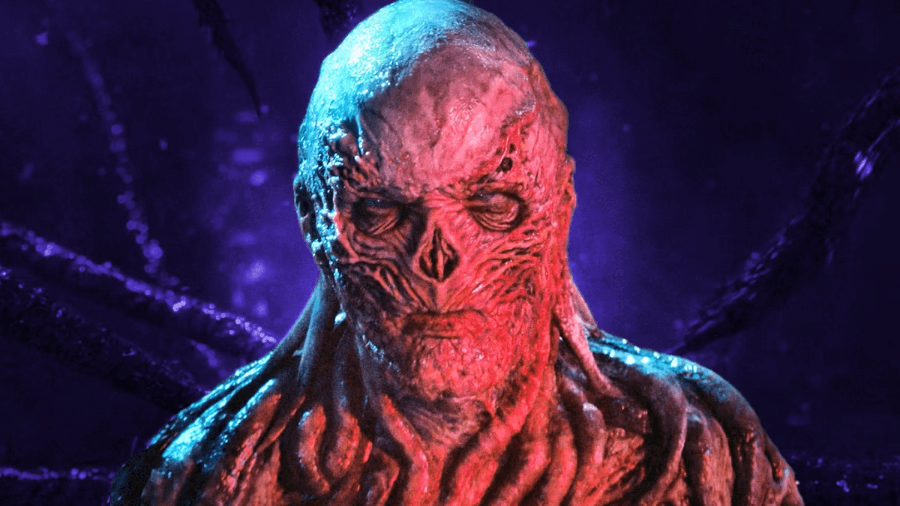
Vecna did not arrive quietly. Instead, he crashed into Stranger Things as a villain who felt older, smarter, and more personal than anything before him. While previous threats relied on instinct or hive-mind hunger, Vecna relied on memory, trauma, and intention. Therefore, his presence changed the tone of the series almost immediately.
At the same time, Vecna did not come out of nowhere. He drew from decades of mythology, character design, and thematic groundwork. So, to truly understand Vecna, you need to look at where he came from, what he represents, and why he matters far beyond jump scares.
Vecna’s Roots In Dungeons & Dragons Lore
Before Vecna ever haunted Hawkins, he existed as a legendary figure in Dungeons & Dragons. In that universe, Vecna stands as a powerful lich, a being who cheated death through forbidden magic. Moreover, D&D lore paints him as a god of secrets, deception, and forbidden knowledge.
That origin matters because Stranger Things consistently uses D&D as a narrative lens. The kids name monsters based on what feels familiar. However, Vecna breaks that pattern slightly. Unlike the Demogorgon or Mind Flayer, Vecna isn’t just a visual match. Instead, he mirrors the idea of a thinking, scheming villain who manipulates reality itself.
Therefore, when the show introduces Vecna, it signals a shift. The threat is no longer mindless. It’s personal.
Henry Creel: Vecna Before The Monster
Vecna’s true horror begins with Henry Creel. As a child, Henry displayed psychic abilities far beyond anything seen before. However, rather than feeling wonder, he felt disgust. He viewed humanity as weak, cruel, and dishonest.
While many stories frame trauma as something that happens to a character, Stranger Things frames Henry’s trauma as something he internalizes and reshapes. He doesn’t seek healing. Instead, he seeks control.
Because Henry feels different, he isolates himself. Because he isolates himself, he begins to resent everyone else. That cycle hardens into ideology. So, when his powers escalate, his morality collapses alongside them.
The Hawkins Lab Connection
Dr. Martin Brenner plays a critical role in Vecna’s creation. After discovering Henry’s abilities, Brenner doesn’t offer guidance or compassion. Instead, he offers containment and experimentation.
This decision proves pivotal. Brenner sees Henry as a resource. Meanwhile, Henry sees Brenner as a jailer. Therefore, their relationship becomes a power struggle disguised as mentorship.
Eventually, Brenner suppresses Henry’s abilities using a device implanted in his neck. On the surface, this looks like control. However, beneath that surface, resentment grows. And when resentment meets power, catastrophe follows.
The Massacre And The Transformation
Henry’s breaking point arrives when he removes the suppressor. In that moment, he doesn’t hesitate. He massacres the staff and children at Hawkins Lab, except for Eleven.
This scene matters because it reframes the show’s entire history. Suddenly, Eleven doesn’t stand alone as the origin of supernatural horror. Instead, she becomes part of a lineage.
When Eleven defeats Henry, she banishes him to another dimension. However, she doesn’t kill him. Instead, she sends him somewhere that reshapes him.
That place becomes the Upside Down. And Henry becomes Vecna.
Vecna And The Upside Down
The Upside Down doesn’t just host Vecna. It amplifies him.
When Henry enters that world, the environment warps his body and focuses his mind. Over time, he merges with the dimension’s energy. Consequently, he becomes less human and more symbolic.
Vecna doesn’t rule the Upside Down as a king. Instead, he molds it as an extension of his will. While the Mind Flayer once appeared as the central intelligence, Vecna reframes that hierarchy. He doesn’t serve the Upside Down. He uses it.
Because of that, Vecna feels different from earlier villains. He speaks. He remembers. He judges.
Vecna’s Powers And How They Work
Vecna’s abilities go far beyond telekinesis. While he can manipulate matter, his true weapon is psychological access.
First, Vecna targets individuals burdened by guilt, shame, or unresolved trauma. Then, he enters their minds. After that, he forces them to relive their worst moments. Finally, he kills them by collapsing their sense of self.
This process matters because it turns emotional pain into literal vulnerability. Therefore, survival requires connection, honesty, and grounding. Music, memories, and relationships become lifelines.
So, Vecna doesn’t just attack bodies. He attacks identities.
Why Vecna Kills The Way He Does
Vecna believes suffering reveals truth. In his worldview, pain strips away lies and exposes weakness. Therefore, his killings feel ritualistic rather than random.
Each victim represents something he despises: denial, repression, or self-deception. By forcing them to confront trauma, he positions himself as judge rather than monster.
However, this belief reveals his hypocrisy. While Vecna claims superiority, he never confronts his own pain honestly. Instead, he externalizes it.
Vecna Versus Eleven: A Thematic Mirror
Vecna and Eleven share origins, powers, and trauma. Yet they diverge in values.
Both suffered under Brenner—both experienced isolation. However, Eleven learned a connection. Vecna rejected it.
This contrast defines their conflict. Vecna sees emotion as weakness. Eleven sees it as a strength. Therefore, every confrontation between them operates on both physical and philosophical levels.
When Eleven fights Vecna, she doesn’t just fight a villain. She fights a version of herself that could have existed.
Why Vecna Feels More Frightening Than Past Villains
Earlier Stranger Things villains relied on spectacle. Vecna relies on intimacy.
He speaks directly to his victims. He learns their fears. He dismantles them emotionally before killing them physically. As a result, his horror feels invasive.
Additionally, Vecna doesn’t need proximity. He reaches across space and time. That reach removes safety zones. Bedrooms, memories, and even thoughts become dangerous.
Therefore, fear becomes constant rather than situational.
Vecna As A Symbol Of Unprocessed Trauma
On a deeper level, Vecna represents what happens when trauma turns inward and hardens into ideology.
Instead of healing, he chooses dominance. Instead of empathy, he chooses control. Therefore, he embodies the destructive potential of unresolved pain.
This symbolism aligns with the show’s broader themes. Stranger Things often explores grief, loss, and growing up. Vecna twists those themes into something predatory.
He doesn’t want people to grow. He wants them to break.
The Clock Motif And Control Over Time
The grandfather clock associated with Vecna symbolizes inevitability. Time marches forward, and Vecna believes suffering cannot be avoided.
However, the show subtly challenges that belief. Music interrupts his control. Friendship disrupts his certainty. Memory rewrites his outcomes.
Therefore, time doesn’t belong to Vecna alone. Choice still exists.
Vecna’s Role In The Series’ Endgame
Vecna isn’t just a seasonal villain. He serves as the narrative culmination of everything that came before him.
He connects the lab, the Upside Down, Eleven’s past, and Hawkins’ future. Because of that, defeating him requires more than strength. It requires reckoning.
The characters must face truths they avoided. They must accept pain without letting it define them. Only then can Vecna lose his grip.
Why Vecna Resonates With Audiences
Vecna resonates because he feels disturbingly human. His motivations don’t rely on alien instinct. They rely on recognizable emotions taken too far.
Resentment. Isolation. Superiority. Fear of vulnerability.
Because viewers recognize those traits, Vecna unsettles on a deeper level. He isn’t just a monster. He’s a warning.
Vecna Beyond Stranger Things
Vecna’s popularity extends beyond the show. He revived interest in D&D lore. He inspired fan art, analysis, and debate. Moreover, he proved that horror villains can be intellectual without losing menace.
That impact ensures Vecna’s place in modern pop culture.

Final Thoughts
Vecna stands as Stranger Things’ most complex villain because he blends mythology, psychology, and narrative purpose. He isn’t scary because he looks monstrous. He’s scary because he understands pain.
By tracing his journey from Henry Creel to Vecna, the show transforms horror into reflection. It asks viewers to consider how trauma shapes identity—and what happens when empathy disappears.
Ultimately, Vecna doesn’t just threaten Hawkins. He challenges the idea that power without compassion leads anywhere but destruction.
And that truth lingers long after the screen fades to black.