📑Table of Contents:
- Who Is Sunny Sandler?
- The Sandler Family Film Tradition
- Sunny Sandler’s Early Appearances And What They Signaled
- The Shift From Cameos To More Noticeable Roles
- What Makes Sunny Sandler Stand Out On Screen
- Sunny Sandler And The Nepo Baby Conversation
- The Importance Of Privacy In Sunny’s Public Life
- How Adam Sandler’s Parenting Approach Shapes The Environment
- What Sunny Sandler’s Future Could Look Like
- What Audiences Should Avoid Doing
- Conclusion
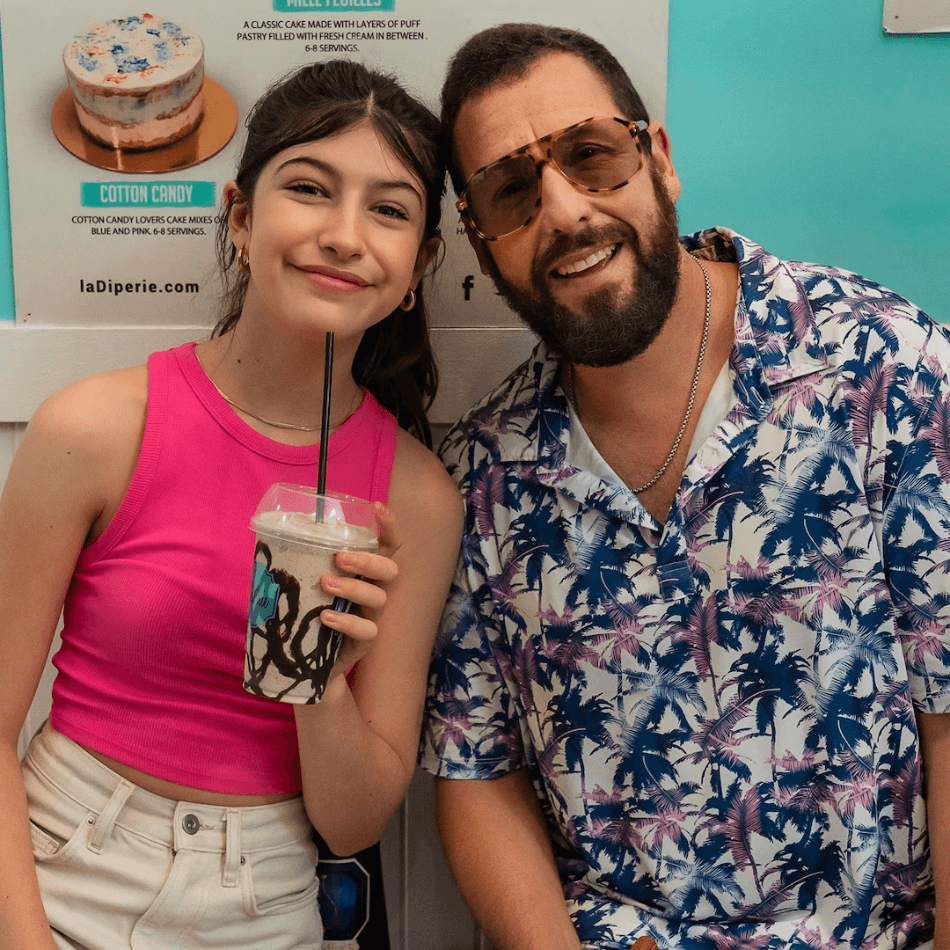
Sunny Sandler grew up around movie sets, comedy legends, and Hollywood routines. However, she didn’t become a headline-grabbing child star. Instead, she became something more subtle: a recognizable presence who keeps popping up in projects people actually watch. Consequently, her name appears more often now, especially as audiences rewatch Adam Sandler’s films and notice how consistently his family appears.
Sunny’s visibility also falls within the middle of a contemporary cultural debate. People talk constantly about “nepo babies.” Yet the Sandler family story doesn’t fit the easiest version of that argument. Yes, Sunny benefits from access. However, she also works in a specific ecosystem: a family-centered production culture where sets feel like a community, and roles often double as family time. Therefore, understanding Sunny Sandler requires more than a list of credits. It requires context.
This article explores who Sunny Sandler is, how her acting path developed, the kinds of roles she’s taken, why audiences keep noticing her, and what her future could look like if she chooses to keep acting.
Who Is Sunny Sandler?
Sunny Sandler is the younger daughter of actor, comedian, and producer Adam Sandler and his wife Jackie Sandler. She grew up alongside her older sister, Sadie Sandler, in a household shaped by comedy, film production, and a strong emphasis on family privacy.
While Sunny is known largely through her on-screen appearances, she hasn’t built a public persona separate from that work. In other words, she’s visible in movies, yet she stays relatively private outside them. That balance stands out in a culture where young performers often grow into constant social media exposure.
Because of that, many people first recognize Sunny’s face before they remember her name, and then they search. And once they search, they notice something else: she has been working steadily for years.
The Sandler Family Film Tradition
To understand Sunny Sandler’s acting career, you need to understand the Sandler production style.
Adam Sandler frequently casts friends and family. This pattern has existed for decades. It’s part creative comfort, part loyalty, and part lifestyle choice. Rather than treating work as something that pulls him away from his family, he often brings his family into the workplace. Consequently, many Sandler projects include familiar faces across multiple films.
This approach changes what “child acting” looks like. In a typical set, a child actor enters a high-pressure environment characterized by deadlines and performance. In a Sandler set culture, the environment often feels more informal and protective, at least relative to the industry norm. Therefore, Sunny’s acting experience likely involves more stability than the average young performer might get.
However, stability doesn’t erase scrutiny. Audiences still notice the connection. So, Sunny’s career exists inside both warmth and criticism at the same time.
Sunny Sandler’s Early Appearances And What They Signaled
Sunny began appearing in films while she was still very young. Initially, her roles were limited. They often functioned as quick cameos or brief scenes. Yet those early appearances mattered because they did two things at once.
First, they introduced her to set life: blocking, timing, and collaboration. Second, they normalized performance. When children experience acting as a normal activity rather than a rare event, they tend to relax into it. Consequently, Sunny’s on-screen presence has often felt natural rather than overly rehearsed.
Moreover, the gradual build of roles suggests intention. Instead of pushing her into a massive spotlight immediately, the family eased her in. That pacing can protect a child from the intense identity pressure that early fame can bring.
The Shift From Cameos To More Noticeable Roles
Over time, Sunny’s roles grew larger. This change didn’t happen overnight. Instead, it followed a pattern: small scenes, then slightly longer scenes, then roles that actually affect the plot or tone.
This progression matters because it suggests that her involvement isn’t purely symbolic. If she continues to receive more dialogue or screen time, the filmmakers likely see something usable: timing, comfort, and presence.
Additionally, Sunny often appears in projects that emphasize ensemble dynamics. Comedy ensembles require rhythm. They require listening and reacting. Therefore, even a young performer needs skill to avoid appearing stiff alongside experienced comedians. Sunny rarely looks stiff. Instead, she tends to look engaged, which is a quiet but important skill.
What Makes Sunny Sandler Stand Out On Screen
Sunny’s appeal comes from a combination of traits rather than one defining “star quality” moment. Several qualities show up repeatedly.
First, she has comfort around big personalities. Many child performers shrink when surrounded by loud adults. Sunny often does the opposite. She maintains her space and delivers her lines without appearing intimidated.
Second, she shows comedic instinct. Comedy isn’t just about jokes. It’s about timing, facial expression, and reaction. Sunny frequently elicits strong reactions, which is why viewers remember her.
Third, she projects a grounded energy. She doesn’t perform like she’s trying to impress. Instead, she performs like she’s participating. That difference makes a scene feel less forced.
Because of these traits, audiences often walk away thinking, “She’s actually good,” even if they arrived assuming a cameo would feel awkward.
Sunny Sandler And The Nepo Baby Conversation
The “nepo baby” debate often operates in extremes. People either dismiss the person entirely or defend them entirely. However, reality lies between the extremes.
Sunny clearly benefits from access. She grew up in a family that could place her on set. She didn’t have to fight for auditions the way most kids do. Therefore, it’s reasonable to acknowledge privilege.
At the same time, acting still requires basic competence. A movie might include a cameo for family fun. Yet if a performer consistently reappears and assumes larger roles, the work must function on screen. Otherwise, it becomes distracting.
So, Sunny’s situation can hold two truths at once.
Yes, she has access. She also appears capable within the specific lane in which she works.
That lane matters too. Sunny mostly appears in Sandler-connected projects, which reduces the “industry takeover” narrative. She’s not claiming every role in Hollywood. Instead, she’s growing inside a family ecosystem.
The Importance Of Privacy In Sunny’s Public Life
Sunny doesn’t live like a typical influencer child. You don’t see constant vlogs. You don’t see daily public updates. You don’t see a carefully manufactured social persona at a young age. Consequently, her on-screen work stands as the primary public signal.
This privacy can benefit a young performer. It reduces parasocial obsession. It also allows normal development outside the public gaze. Moreover, it enables her to discontinue acting without a public identity crisis. If she leaves the industry, she won’t be “disappearing.” She’ll simply be living.
That option matters. Many child performers struggle because their identity becomes tied to visibility. Sunny’s life appears structured to avoid that trap.
How Adam Sandler’s Parenting Approach Shapes The Environment
Adam Sandler often appears to prioritize family time and routine. Regardless of public perception, his career pattern suggests he values closeness. He frequently works with the same people. He often films in ways that allow a stable schedule. He appears to treat sets as community spaces rather than purely corporate environments.
This environment likely shapes Sunny’s experience. She sees adults she trusts. She works alongside her family. She experiences acting as part of family life rather than a separate, isolating career.
Therefore, her acting doesn’t read like child labor pushed by adults chasing fame. It reads more like participation in a known world.
What Sunny Sandler’s Future Could Look Like
Sunny’s future remains open, and that openness is a strength.
If she wants to continue acting, she can expand beyond family productions over time. She could pursue larger roles, training, and independent projects. Additionally, she could explore voice work, which suits performers with strong timing.
However, if she chooses another path, she can do so. She can step away without major public backlash because she hasn’t built her entire identity around being famous.
That flexibility suggests healthy development. It also suggests that her family values choice.
What Audiences Should Avoid Doing
Because Sunny Sandler is a young person, it’s important to avoid turning her into a target of adult debates.
Criticism of nepotism can be valid, yet it should focus on systems, not on kids. Mockery of appearance or personality crosses ethical lines. And invasive curiosity about private life has no justification.
A respectful approach keeps the focus on her work as a performer and her right to grow up privately.
Conclusion
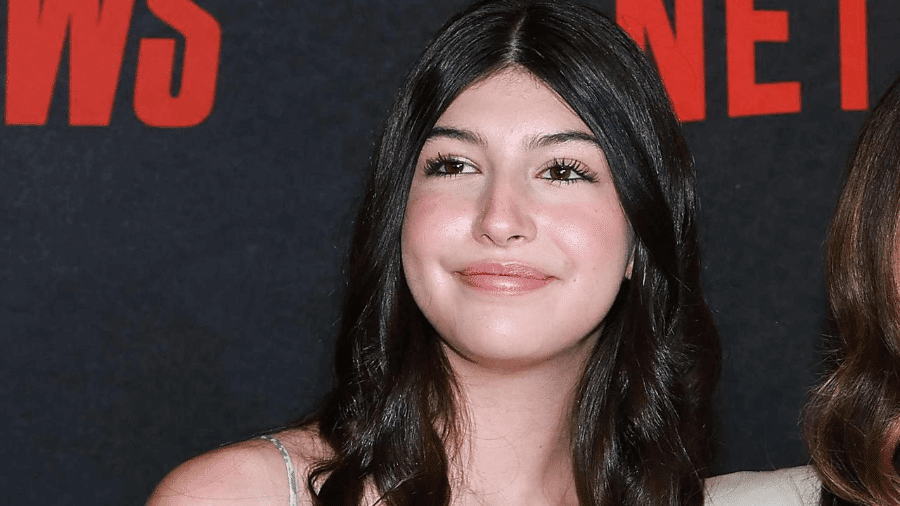
Sunny Sandler has grown up in a unique position: close to Hollywood access yet relatively protected from Hollywood’s harshest exposure. She started with small cameos, then gradually moved into more noticeable roles. Along the way, she developed an on-screen presence that feels comfortable, comedic, and grounded.
Yes, she benefits from family connections. However, she also shows real ease in front of the camera, which explains why audiences continue to notice her. Moreover, she appears to maintain privacy and normalcy in a way many young performers don’t.
Ultimately, Sunny Sandler’s story isn’t just about a famous last name. It’s about a young performer growing gradually, staying grounded, and keeping options open. And in a world that pushes kids into constant visibility, that combination feels surprisingly rare.