📑Table of Contents:
- Who Is Sofía Jirau?
- Early Life In Puerto Rico And A Strong Support System
- Entering Modeling: Ambition With Clear Intent
- Breaking Industry Assumptions About Beauty
- Major Visibility Moments And Why They Hit So Hard
- Entrepreneurial Work And Building A Platform Beyond Modeling
- Down Syndrome Representation: Why It Matters In Fashion
- Avoiding Tokenism: The Challenge Of “Firsts”
- Public Reaction: Celebration, Misunderstanding, And The Internet
- The Broader Cultural Shift Sofía Represents
- What Aspiring Models And Creators Can Learn From Sofía
- What Comes Next For Sofía Jirau
- Conclusion
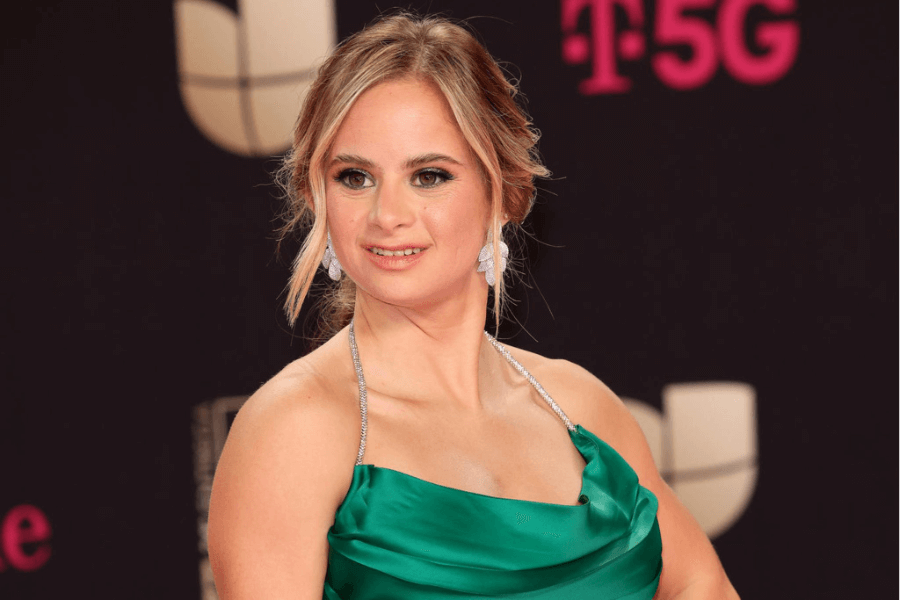
Sofía Jirau represents a shift that fashion cannot ignore. For decades, the industry treated representation as a seasonal trend. However, Sofía’s career proves that inclusion isn’t a marketing moment. Instead, it is a cultural correction. Consequently, her rise matters not only because she models clothing, but because she models possibility.
Sofía Jirau is a Puerto Rican model with Down syndrome. She gained international attention through major fashion campaigns and runway visibility. Yet her story extends beyond “firsts” and headlines. She built momentum through ambition, family support, and a clear mission: normalize disability inclusion in fashion, media, and everyday life.
This in-depth article explores who Sofía Jirau is, how her career developed, why her work resonates globally, and what her impact reveals about the future of representation.
Who Is Sofía Jirau?
Sofía Jirau is a Puerto Rican model, entrepreneur, and advocate whose work has helped reshape public perceptions of beauty and disability. She became widely recognized after appearing in major fashion campaigns, and she later expanded her platform through personal projects and advocacy.
Rather than presenting herself solely as a symbol, Sofía presents herself as a professional. She shows up with confidence, style, and a clear sense of purpose. Consequently, audiences connect with her not only because of her representation but also because of her personality.
Additionally, she leverages her visibility to advocate for broader change. She doesn’t simply appear in fashion spaces. She challenges those spaces to become accessible and welcoming.
Early Life In Puerto Rico And A Strong Support System
Sofía’s roots in Puerto Rico matter. Culture shapes identity, and identity shapes confidence. Puerto Rican community life often emphasizes family closeness, celebration, and shared pride. Therefore, Sofía’s public warmth reflects more than individual temperament. It reflects the environment.
Family support also plays a critical role in stories like Sofía’s. Ambition alone rarely breaks barriers. However, ambition combined with steady support can sustain long journeys.
Sofía’s family helped nurture her confidence and encouraged her to pursue her goals early. Consequently, she grew up seeing possibilities rather than limitations. That mindset became essential when she entered an industry known for rigid standards.
Entering Modeling: Ambition With Clear Intent
Modeling is a competitive field even for people who fit traditional industry molds. Therefore, for a model with Down syndrome, the barriers multiply.
Yet Sofía approached modeling with intention. She wanted more than a personal milestone. She wanted visibility to translate into normalization. In other words, she wanted people with disabilities to see themselves reflected in fashion without feeling “special” or rare.
This distinction matters. When representation becomes a novelty, it stays fragile. However, when representation becomes normal, it becomes durable. Sofía’s career pushes toward durability.
Breaking Industry Assumptions About Beauty
Fashion has long treated beauty as a narrow set of measurements, facial features, and physical expectations. However, those expectations come from gatekeeping, not from universal truth. Therefore, any model that exceeds those expectations forces the industry to confront its own artificial rules.
Sofía does exactly that.
She challenges the assumption that disability must remain separate from glamour. She shows that Down syndrome does not erase elegance, professionalism, or style. Consequently, she expands what audiences accept as “fashion-worthy.”
Additionally, she shifts the emotional tone of representation. Sofía’s work often communicates joy. That joy matters because disability representation too often centers on tragedy or pity. Sofía replaces that framing with confidence.
Major Visibility Moments And Why They Hit So Hard
Sofía’s rise accelerated through high-profile campaigns that reached global audiences. Those moments mattered for several reasons.
First, they placed a model with Down syndrome within mainstream fashion imagery, rather than on the margins. Second, they reached consumers who might never seek disability advocacy content. Third, they reframed disability not as “inspiration,” but as presence.
However, the deeper impact came from repetition. A single campaign can appear to be tokenism. Yet repeated visibility signals a shift. Therefore, every new appearance added weight to the message: this belongs here.
Entrepreneurial Work And Building A Platform Beyond Modeling
Sofía has not limited her work to modeling. She has also built projects that reflect entrepreneurship and advocacy. This expansion matters because long-term influence often requires ownership.
When a model relies only on bookings, the industry controls the narrative. However, when a model builds their own platform, they gain agency. Consequently, Sofía’s entrepreneurial side strengthens her ability to shape how she is perceived.
This strategy also broadens impact. Modeling changes what people see. Entrepreneurship changes what people can access and support. Together, they create a larger cultural footprint.
Down Syndrome Representation: Why It Matters In Fashion
Representation isn’t only emotional. It’s practical.
When people see themselves represented, they feel less isolated. They also gain social permission to imagine careers and public roles. Moreover, representation affects how others treat them. Visibility can reduce stigma by increasing familiarity.
Fashion, specifically, holds unusual power. It influences media, advertising, and social identity. Therefore, when fashion includes people with disabilities, it affects how society defines normal.
Sofía’s visibility is important because it challenges assumptions early. Young people with Down syndrome can see a future that includes style, confidence, and professional success. At the same time, non-disabled audiences learn that disability does not negate beauty.
Avoiding Tokenism: The Challenge Of “Firsts”
Whenever a person breaks a barrier, the public often turns them into “the first.” While “firsts” matter historically, they can also reduce a person to a headline.
Sofía’s challenge, therefore, involves moving beyond symbolic status. She must remain seen as a working model and public figure, not a one-time milestone.
This is where consistency becomes crucial. Continued work, varied campaigns, and long-term presence transform “first” into “normal.” Consequently, Sofía’s continued activity matters as much as her initial breakthrough.
Public Reaction: Celebration, Misunderstanding, And The Internet
Sofía receives widespread support. However, she also faces the internet’s typical problems: shallow commentary, patronizing praise, and occasional cruelty. Therefore, her visibility includes both empowerment and vulnerability.
Patronizing praise often appears in the form of “inspiration” framing. While the intent may be positive, it can still feel limiting. It suggests that simply existing publicly is extraordinary. Yet the goal of inclusion is to make it ordinary.
Sofía’s work helps correct that framing. She demonstrates professionalism. She demonstrates skill. She demonstrates that disability inclusion should not require applause to be considered valid.
The Broader Cultural Shift Sofía Represents
Sofía Jirau’s success aligns with a broader movement toward disability rights, inclusion, and accessibility. In recent years, society has begun to recognize that barriers often arise from environments rather than bodies. Therefore, inclusion requires structural change, not charity.
In fashion, structural change means:
- casting broader bodies and faces consistently
- making sets and shoots accessible
- including disabled creatives behind the camera
- designing clothing with accessibility in mind
- avoiding “one-off” diversity moments
Sofía’s visibility doesn’t solve all of this. However, it pressures the industry to move faster. It also provides advocates with evidence that mainstream audiences are receptive to inclusion.
What Aspiring Models And Creators Can Learn From Sofía
Sofía’s story offers practical lessons.
First, ambition needs clarity. She knew what she wanted and why.
Second, confidence grows through support: family and community matter.
Third, visibility can become leverage. Once you gain attention, you can push for bigger change.
Finally, joy can be strategic. Sofía’s joy draws people in, then her message stays with them.
These lessons apply beyond modeling. They apply to anyone trying to build a career in spaces that weren’t designed for them.
What Comes Next For Sofía Jirau
Sofía’s future likely includes continued modeling, expanded entrepreneurship, and deeper advocacy. She may also influence how brands approach accessible fashion and inclusive marketing.
However, the most important “next step” involves normalization. The goal should not be for Sofía to remain the rare exception. Instead, the goal should be for many models with disabilities to work routinely.
Therefore, Sofía’s long-term impact may be measured by the extent to which others follow her and by how quickly the industry ceases to treat disability inclusion as unusual.

Conclusion
Sofía Jirau has changed fashion by showing up fully: stylish, confident, professional, and joyful. She is a Puerto Rican model with Down syndrome who transformed visibility into cultural pressure. Consequently, she helped expand public ideas about beauty, belonging, and possibility.
Her story matters because it challenges old standards while building new ones. It also demonstrates that representation is most effective when it is consistent rather than occasional. Ultimately, Sofía Jirau isn’t only changing what fashion looks like. She’s changing who fashion includes—and why that inclusion should feel normal.