📑Table of Contents:
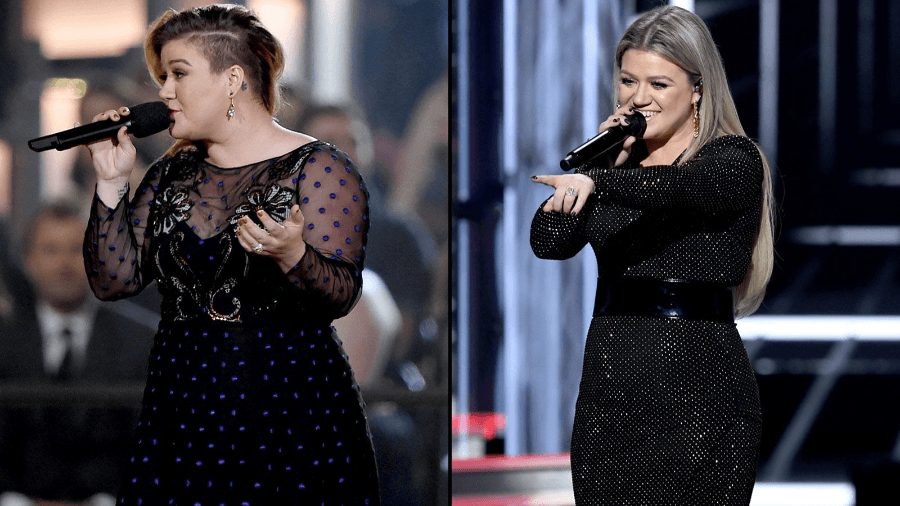
Kelly Clarkson’s weight loss has drawn intense public attention, yet the most useful way to discuss it is not through rumor or body commentary. Instead, it makes more sense to focus on what Clarkson herself has said. Over the past two years, she has described a mix of doctor-guided care, more daily movement after relocating to New York City, dietary adjustments, and, later, prescription medication that she said was not Ozempic. Therefore, the real story is less about a dramatic “secret” and more about how health changes often come from several factors working together.
That distinction matters because celebrity weight-loss coverage usually flattens everything into a single cause. One week, the story becomes walking. The next week, it becomes medication. Then it shifts into gossip about appearance rather than substance. However, Clarkson’s own comments point to something more layered. In early 2024, she said she had been “listening to my doctor” and credited city walking, a protein-forward approach to eating, and a generally healthier routine after moving to New York.
Then, in May 2024, she added that prescription medication also played a role after her blood work “got so bad.” Consequently, the most accurate version of her story includes both lifestyle change and medical treatment, not one or the other.
Why Kelly Clarkson’s Weight Loss Became Such A Major Story
Kelly Clarkson’s weight loss became headline material partly because she has lived publicly for so long. Audiences watched her from the start of American Idol through music stardom, television, and talk-show hosting. As a result, people feel as though they know her body almost as well as they know her voice. Moreover, because Clarkson has long projected humor, warmth, and emotional openness, fans often assume they are entitled to explanations about her appearance. That is exactly why the coverage has been so intense.
However, the deeper reason this story kept growing is cultural. Celebrity health stories now move through a cycle of speculation, denial, confirmation, and reinterpretation. First, people assume a star has changed because of one highly visible trend. Then, once that star speaks, the public reshapes the story again. Clarkson’s weight loss fit that exact pattern. Early reporting emphasized walking and diet. Later reporting centered on medication. Yet both phases came from her own comments, which means the fuller picture was always more complex than internet gossip allowed.
What Kelly Clarkson Said In Early 2024
In her early-2024 comments, Clarkson linked her weight loss to broader changes in her daily life. She said moving from Los Angeles to New York improved both her mental and physical well-being, and she specifically pointed to walking around the city as a meaningful source of exercise. She also mentioned infrared saunas, cold plunges, and a high-protein diet. Therefore, the first public version of the story emphasized routine rather than intervention.
That framing resonated because it felt relatable. Walking more in a more active city sounds plausible. Following the doctor’s advice sounds responsible. Building a higher-protein meal structure sounds familiar to many people trying to improve metabolic health or satiety. Consequently, her early comments did not come across as a flashy celebrity transformation narrative. They sounded like a person trying to feel better after a difficult period.
The Role Of Doctor-Guided Care
One of the most important parts of Clarkson’s public comments is also one of the least sensational: she repeatedly framed her changes around medical advice. In early 2024, she said she had dropped weight because she was finally listening to her doctor after not doing so for a couple of years. Then, in May 2024, she explained that her doctor had encouraged medication for a long time before she agreed to it. That point matters because it shifts the conversation away from vanity and toward health management.
Additionally, this medical framing makes the story more responsible to read. Rather than treating weight loss as a trend to copy, it reminds readers that health decisions should be based on blood work, risk factors, and individual needs. Clarkson herself said her blood work had become a serious concern, which is a very different context from casual weight-loss experimentation. Therefore, the strongest lesson from her story is not “do what she did.” It is “health choices should be individualized and clinician-guided.”
The Medication Conversation Changed Everything
The public conversation shifted sharply in May 2024, when Clarkson said on her talk show that she was using prescription medication to aid her weight loss. She also said clearly that it was not Ozempic, even though many people had assumed that was the explanation. Instead, she described it as “something else” that helps break down sugars because her body was not handling them properly. Consequently, the story moved from lifestyle speculation to the broader national debate over weight-loss drugs and metabolic treatment.
That clarification mattered for two reasons. First, it corrected a rumor that had already spread widely. Second, it showed how quickly the public tends to attribute any visible weight change to a single famous medication. Clarkson’s comments pushed back on that assumption. Even so, they also confirmed that medication played a real role in her journey. Therefore, the most grounded understanding is not that her earlier lifestyle comments were untrue. Rather, it is that lifestyle changes and medication both became part of the process over time.
Why Her Story Resonates With So Many People
Kelly Clarkson’s weight loss story resonates because it does not fit neatly into one box. It includes stress, relocation, family life, mental health, medical advice, movement, dietary change, and prescription support. In other words, it sounds more like real life than like a miracle fix. That complexity makes the story more believable and, arguably, more helpful.
Moreover, Clarkson’s openness gives the story an emotional dimension. She did not present herself as someone who had discovered the perfect formula. Instead, she described fear around medication, reluctance to start it, and the eventual need to take her doctor’s advice seriously. As a result, her story reflects something many people recognize: health change often begins not with confidence, but with hesitation and concern.
The Bigger Conversation Around Celebrity Weight Loss
At the same time, Kelly Clarkson’s weight loss coverage reveals how distorted celebrity health reporting can become. Public discussion often treats a celebrity’s body like a clue to be solved. Yet when stars do explain themselves, the explanation still gets filtered through the lens of trend culture and controversy. Clarkson’s comments about walking, diet, and medication all became headlines, but the most important part—her insistence on doctor-guided care—often received less attention.
Therefore, her story is useful not because it offers a template, but because it shows why templates fail. What worked for her involved her doctor, her blood work, her schedule, and her life. That is not something strangers can reverse-engineer from appearances. Consequently, the healthier takeaway is not to blindly imitate a celebrity’s routine, but to respect that personal health decisions are truly personal.

Final Thoughts
Kelly Clarkson’s weight loss story is ultimately more grounded than many headlines suggest. She has publicly credited more walking, dietary changes, and listening to her doctor, and she later confirmed that prescription medication also became part of the picture after concerning blood-work results. Therefore, the clearest answer is not that one factor changed everything. It is that several health decisions, made over time, shaped the outcome.
That is also why the story keeps resonating. It reflects a familiar truth: health journeys are rarely linear, rarely simple, and rarely explained by one headline-friendly detail. In Clarkson’s case, the most meaningful part of the story may be the least glamorous one—she kept returning to the same principle: she finally listened to her doctor.