📑Table of Contents:
- What Is Hype And Vice?
- The Origin Story: From A College Problem To A Real Brand
- The Brand Mission: Why “Women-First” Shapes The Product Line
- Official Licensing: Why NCAA Approval Matters
- Product Aesthetic: What Hype And Vice Is Known For
- Community And Campus Strategy: How The Brand Builds Loyalty
- Customer Reviews: The Reality Check You Should Know
- Why Hype And Vice Fits The Bigger Sports Fashion Trend
- Where To Buy Hype And Vice
- What To Buy First: Best Categories For New Shoppers
- Final Thoughts
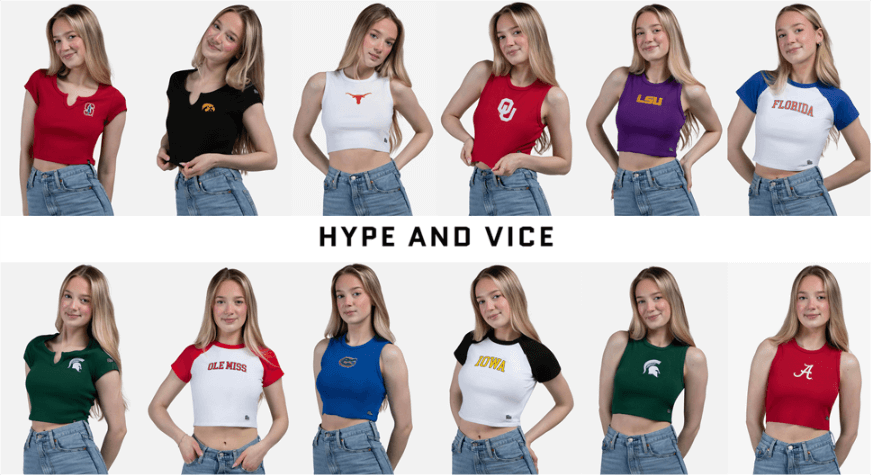
Hype And Vice sits at the intersection of two major cultural shifts: women’s sports fandom is booming, and fashion-forward team apparel is no longer optional. For years, most licensed gear followed one formula—boxy silhouettes, heavy logos, and men’s cuts labeled “unisex.” However, women fans wanted more than a resized hoodie. They wanted pieces that felt current, flattering, and fun. They also wanted official team branding without sacrificing personal style.
That gap created the perfect opening for Hype And Vice. The brand positions itself as women-led and women-first, built for female fans in a sports apparel space that has long catered to men. Instead of offering “shrink it and pink it” teamwear, it designs fashion pieces that people actually plan outfits around—baby tees, crop tops, varsity jackets, coordinated sets, bodysuits, skirts, and streetwear-inspired outerwear.
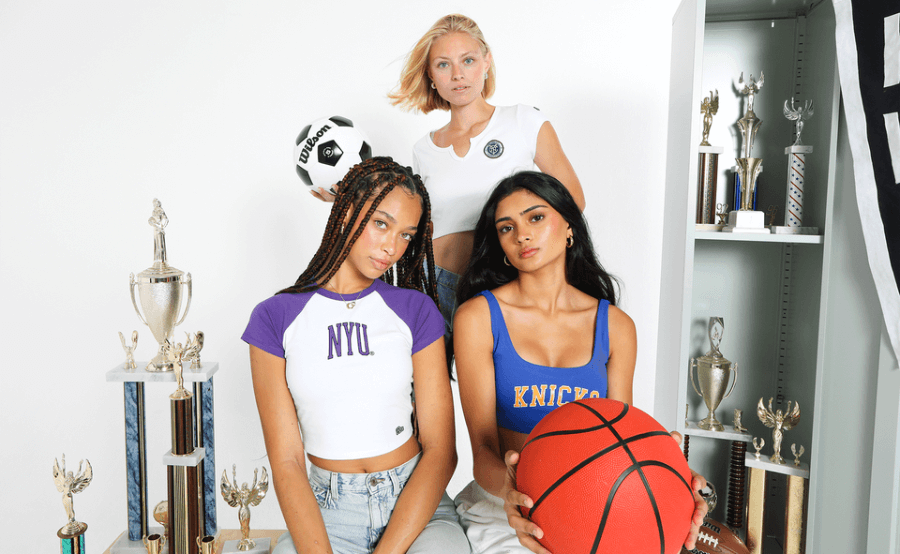
At the same time, Hype And Vice operates within official licensing, which is essential for credibility in college and pro sports apparel. It sells officially licensed NCAA merchandise and also offers licensed NBA and MLS products. That licensing separates it from copycat “inspired” merch shops and allows the company to grow through real retail partnerships.
So, what is Hype And Vice really? How did it start? What does it sell? And what should you know before you buy? In this in-depth guide, we’ll break down the brand’s origin story, mission, product strategy, licensing model, community-building approach, and consumer review reality. Additionally, you’ll get practical buying tips to help you shop smarter.
What Is Hype And Vice?
Hype And Vice is a fashion-driven sportswear brand focused primarily on women’s collegiate fan apparel, with expanded licensing across the NBA and MLS. The brand frames itself as a company that captures the “collective spirit” of college life while prioritizing women in a male-dominated industry.
On its official “About Us” page, Hype And Vice states it designs for female college students and creates apparel “by women and for women.” This positioning makes its intent clear: it aims to redefine what officially licensed fan gear looks like, especially on game days, at tailgates, and on campus.
Additionally, Hype And Vice promotes itself as a destination for cute NCAA gear, offering categories ranging from tops and bottoms to outerwear and accessories.
The Origin Story: From A College Problem To A Real Brand
Hype And Vice was founded by Cecilia (Ana Cecilia) Gonzalez and Kimberly Robles, and multiple startup databases list them as the company’s founders.
Forbes tells the early story in a way that explains the brand’s core identity. The founders noticed that college-branded clothing didn’t feel stylish or flattering, so they started cutting crop tops, sewing tags, and selling the pieces from their apartment. Then, they took those products straight to sorority houses to sell them directly to students.
That detail matters because it reveals how the brand came to be. It didn’t start with trend forecasts and investor decks. Instead, it began with real demand from real buyers on campuses.
Therefore, Hype And Vice grew from a direct insight: women’s fan gear needed a redesign.
The Brand Mission: Why “Women-First” Shapes The Product Line
Hype And Vice’s mission isn’t subtle. It repeatedly emphasizes women-first design, both in its language and in its product selection. The brand states that it listens to female college students and designs for their needs in a sports-apparel world dominated by men.
This mission changes everything about what the brand sells.
Traditional team gear often prioritizes:
- oversized unisex tees
- basic hoodies
- standard jerseys
Meanwhile, Hype And Vice prioritizes:
- cropped silhouettes and baby tees
- bodysuits, tanks, and ribbed styles
- varsity jackets and statement outerwear
- skirts, shorts, and coordinated sets
Because women’s sports fashion has evolved, fans increasingly treat game-day outfits like streetwear. Therefore, the brand’s mission aligns with cultural demand rather than fighting it.
In short, Hype And Vice doesn’t just sell apparel. It sells “fit culture” for fandom.
Official Licensing: Why NCAA Approval Matters
One of the biggest reasons Hype And Vice stands out is licensing.
The brand’s NCAA section clearly positions it as a shop for officially licensed NCAA merchandise. Meanwhile, the company’s Y Combinator profile describes it as a business selling fashionable college, NBA, and MLS apparel. The Shop app listing also states the brand sells officially licensed gear across the NCAA, NBA, and MLS.
Licensing matters because it signals legitimacy. It also means:
- Teams and leagues approve the use of product logos
- Merchandise supports official brand partnerships
- Products can enter campus and retail stores legally
Additionally, licensing helps expand distribution. Nordstrom carries Hype And Vice products, which reinforces that the brand operates beyond social media.
So, if you want official gear that still looks like fashion, licensing is a big reason to consider the brand.
Product Aesthetic: What Hype And Vice Is Known For
Hype And Vice sits in a very specific design lane: feminine, sporty, and slightly nostalgic.
The brand’s aesthetic often includes:
- vintage-inspired graphics
- bold lettering and clean team marks
- color-blocked sweatshirts and jackets
- trendy silhouettes like baby tees and cropped crewnecks
Retail descriptions from Nordstrom and the brand’s own storefront reinforce that it targets modern outfit-building rather than basic “fan uniform” apparel.
Because of that, Hype And Vice appeals strongly to:
- college students
- tailgate and stadium-goers
- women who style sportswear into daily outfits
- fans who want “cute but official” looks
Therefore, it doesn’t compete with traditional jersey brands. It competes with fashion-forward streetwear and lifestyle labels—just with logos added.
Community And Campus Strategy: How The Brand Builds Loyalty
Hype And Vice has never marketed like a traditional sportswear company. Instead, it grows through campus culture and community loop marketing.
Forbes’ origin story highlights sorority house selling, which is essentially grassroots campus commerce. OnCampusNation also frames the brand as one that embodies student life and school spirit. Meanwhile, the brand encourages customers to tag photos, share outfits, and participate in social community engagement.
Because college fandom is identity-driven, community matters. Fans don’t only wear gear. They wear a vibe. Therefore, the brand’s success comes partly from making school pride feel socially stylish and shareable.
Customer Reviews: The Reality Check You Should Know
Hype And Vice receives mixed reviews, and the key is understanding what people praise versus what they criticize.
On Trustpilot, the brand has a “poor” rating based on a small number of reviews, with customers often mentioning shipping delays, customer service issues, or unmet expectations around quality. Meanwhile, Knoji’s review summary gives the brand a much higher rating, based on a different review model and research process.
So, what should you take from that?
First, review platforms measure differently. Some focus on complaint-driven feedback. Others emphasize research-based scoring. Therefore, ratings can conflict even when both are “true” in context.
Second, smaller sample sizes can skew perception. Trustpilot shows only a few reviews at crawl time, which means a handful of strong complaints can dominate—still, repeated themes matter, especially when multiple customers mention similar issues.
So, for first-time buyers, the smartest approach is simple:
- Order early if you need it for a game-day event.
- Review return policies and shipping timelines before checkout.
- Use retailer partners like Nordstrom when available if you prioritize a smoother service experience.
Why Hype And Vice Fits The Bigger Sports Fashion Trend
Sports apparel has changed dramatically. Fans now treat game-day outfits like streetwear, and women’s fandom has become an economic force.
Hype And Vice fits this shift because it treats women as the default customer, not the afterthought. It also treats fan gear as fashion, not just merchandise. Therefore, it naturally aligns with how modern fans style their identity.
Additionally, the streetwear world has shifted toward community-driven brands. Vogue Business has discussed how hype culture now depends more on authenticity and community than on manufactured scarcity. While that article isn’t about Hype And Vice specifically, the principle still applies: brands succeed when they build lifestyle identity, not just products.
So, Hype And Vice wins because it makes fandom wearable outside the stadium.
Where To Buy Hype And Vice
Hype And Vice sells through its official website. It also appears on platforms and retailers like Nordstrom, which carry select products and provide a familiar shopping experience.
That retail presence matters because it signals scale and trust. It also gives shoppers additional purchase options, especially if they prioritize shipping reliability and customer support.
Therefore, you can buy directly for the widest selection or choose retail partners for convenience.
What To Buy First: Best Categories For New Shoppers
If you’re shopping Hype And Vice for the first time, start with the categories that best represent the brand’s design strengths.
- Oversized Crewnecks And Vintage Sweatshirts
These pieces deliver the classic “cute collegiate” look while staying easy to style. - Baby Tees And Ribbed Tanks
These reflect the women-first mission most clearly and often feel more unique than standard merch tees. - Varsity Jackets And Statement Outerwear
These offer the strongest visual impact and often look more like a “fashion brand” than a “team store.” - Sets And Bottoms
Matching sets and skirts often become signature looks for tailgates and game-day events.
Additionally, if you’re buying for a specific event, order early. Customer reviews consistently emphasize timing.
Final Thoughts
Hype And Vice built its identity around a simple, overdue idea: women deserve sports apparel that reflects their style, not just their loyalty. The brand positions itself as women-first, community-driven, and rooted in the spirit of college culture. It also operates in the official licensing world, which gives it credibility and scale across the NCAA, NBA, and MLS.
From its early hustle—selling altered crop tops at sorority houses—to its current retail presence through platforms like Nordstrom, Hype, and Vice reflects a bigger shift in sports fashion. Fans no longer want one-size-fits-all merch. They want outfits. And Hype And Vice has turned that demand into a real brand with cultural momentum.
Ultimately, Hype And Vice matters because it proves that fandom can be fashionable, officially licensed, and designed with women as the main characters.