📑Table of Contents:
- Why the “Halsey Drugs” Search Keeps Trending
- What Halsey Said About Sobriety
- Mental Health, Vulnerability, and Public Misreading
- The Health Story Changed the Meaning of the Conversation
- Medication Is Not the Same as “Drugs” in the Gossip Sense
- Why Rumors Persist Anyway
- What the Public Record Actually Supports
- How We Talk About Celebrity Illness
- Final Thoughts

When people search “Halsey drugs,” they often mean very different things. Some are looking for information about substance use. Others are trying to understand her public comments about sobriety. Still others are really asking about medications and chemotherapy after her health disclosures in 2024 and 2025. Therefore, the most responsible way to write about this topic is to separate three very different categories: recreational drug rumors, Halsey’s own comments about sobriety, and medically necessary treatment. Those categories often get collapsed online, yet they should not.
That distinction matters even more because Halsey has been unusually open about both mental health and physical illness. In 2019, reporting on her Rolling Stone interview said she no longer smoked weed, drank hard alcohol, or did drugs, framing that choice partly around responsibility and stability. Then, in 2024, she publicly revealed that she had been diagnosed in 2022 with lupus and a rare T-cell lymphoproliferative disorder.
By September 2025, she said she had undergone more chemotherapy sessions and had a port placed. Consequently, any article about “Halsey drugs” that ignores the difference between recreational substances and prescribed treatment risks becoming inaccurate from the start.
Why the “Halsey Drugs” Search Keeps Trending
This search phrase keeps appearing because celebrity culture encourages simplification. When a public figure looks unwell, changes appearance, sings about pain, or posts from a hospital, people often rush to conclusions. Moreover, when that artist also has a history of talking openly about mental health and sobriety, the internet starts building connections that may not reflect what the person actually said. In Halsey’s case, all of that has happened at once: health updates, treatment videos, older sobriety quotes, and years of tabloid-level speculation. Therefore, the search trend reflects confusion as much as curiosity.
Additionally, Halsey’s music and writing have sometimes dealt with dark relationships, pain, and self-destruction, which can make listeners assume every lyric is a direct confession about her own substance use. However, art is not a medical chart. Nor is it a reliable inventory of a person’s habits. Consequently, a serious discussion must remain grounded in documented public statements rather than lyric-based guesswork.
What Halsey Said About Sobriety
The clearest public record on Halsey and recreational drugs points toward sobriety, not active substance use. In 2019, coverage of her Rolling Stone interview reported that she did not smoke weed, drink hard alcohol, or do drugs. That comment is important because it remains one of the strongest direct public indicators of how she wanted to live at that point in her life. Moreover, the reporting framed sobriety not as a performative lifestyle trend, but as a practical choice shaped by responsibility, work, and stability.
That framing fits the broader public image Halsey has built over time. She has often described herself as someone who takes the realities of mental health seriously. Therefore, sobriety in her case reads less like branding and more like self-management. It also helps explain why the “Halsey drugs” search can be misleading. A person can be strongly associated with difficult art, volatile emotions, and public openness while still saying very clearly that they are not using recreational drugs.
Mental Health, Vulnerability, and Public Misreading
Part of the confusion around this topic comes from how people read vulnerability in celebrity culture. Halsey has been candid about bipolar disorder and periods of intense emotional instability, which means audiences often interpret her through a lens of crisis. Yet mental illness and drug use are not interchangeable, and treating them as though they are linked by default is both inaccurate and harmful. Therefore, one of the most important things to say here is that openness about mental health should not be treated as evidence of substance use.
Moreover, the internet often assumes that if an artist discusses pain vividly, that artist must be living in some constant offstage collapse. Halsey’s public record complicates that assumption. She has spoken honestly about disorder, trauma, and hospitalization, but she has also spoken about discipline, sobriety, and work. Consequently, her story resists the easy stereotype of the self-destructive pop star.
The Health Story Changed the Meaning of the Conversation
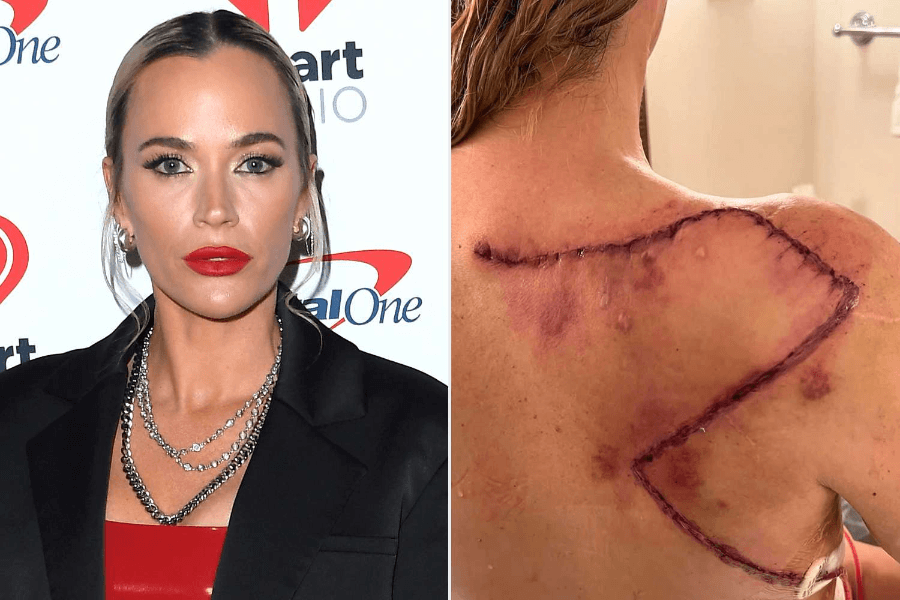
The “Halsey drugs” conversation changed dramatically in 2024 when she disclosed major medical diagnoses. In June 2024, ABC News reported that Halsey said she had first been diagnosed in 2022 with systemic lupus erythematosus and a rare T-cell lymphoproliferative disorder. She added that both were being managed or were in remission, but would likely affect her for the duration of her life. That disclosure immediately altered how her appearance, fatigue, and public absence should be understood. In other words, what some internet users might have reduced to vague “drug” speculation had a documented medical explanation.
This matters because serious illness often brings visible physical changes: exhaustion, swelling, weight fluctuations, altered energy levels, and medication effects. If the public continues to interpret those changes through gossip rather than medicine, it ends up misreading the entire situation. Therefore, once Halsey disclosed lupus and a rare blood-related disorder, the ethical frame around this topic became much clearer.
Medication Is Not the Same as “Drugs” in the Gossip Sense
A major reason this topic needs careful wording is that medically necessary treatment often gets flattened into the vague word “drugs.” Technically, chemotherapy, immunosuppressive treatment, and other prescribed therapies are drugs in the medical sense. However, when most people search “Halsey drugs,” they are usually implying illicit or recreational use. That implication does not match the strongest public record. Instead, recent reporting shows Halsey undergoing treatment for a serious illness.
By September 2025, for example, reporting from The Independent said Halsey had undergone another few sessions of chemotherapy and had a new port placed. E! also covered that update as part of her treatment for lupus and the rare T-cell lymphoproliferative disorder.
Therefore, if someone sees photos or videos of Halsey discussing medications or treatment, the accurate frame is cancer-adjacent or immune-system treatment—not celebrity drug scandal.
Why Rumors Persist Anyway
Even with public health disclosures, rumors persist because celebrity culture rewards sensational interpretations. A cryptic lyric, an exhausted appearance, or a hospital clip can spread faster than a careful medical explanation. Moreover, many low-quality websites and videos thrive on implying scandal where none has been substantiated. Consequently, a misleading narrative can survive long after the person involved has provided a better explanation.
This is especially true for artists like Halsey, whose public identity includes risk, emotional intensity, and openness. Those qualities make it easier for outsiders to project chaos onto her, even when the documented facts point elsewhere. Therefore, the persistence of rumor tells us as much about the audience as it does about Halsey.
What the Public Record Actually Supports
If we stay with the strongest available evidence, the public record supports a fairly clear conclusion. First, Halsey publicly moved toward sobriety and said she did not smoke weed, drink hard alcohol, or do drugs in the recreational sense discussed in her 2019 interview coverage. Second, she later disclosed major health diagnoses that required treatment, including lupus and a rare T-cell lymphoproliferative disorder. Third, by late 2025, she was still undergoing chemotherapy-related care. In short, the available record supports sobriety and medically necessary treatment—not a simple celebrity drug-use narrative.
That does not mean the public knows every detail of her medical regimen, nor should it. However, it does mean that the most repeated insinuations around the “Halsey drugs” search fail to capture what has actually been documented.
How We Talk About Celebrity Illness
This topic also points toward a larger issue in celebrity media. When a public figure becomes visibly sick, many people still reach first for suspicion rather than empathy. They ask what substances might be involved before asking what diagnosis might explain the change. Halsey’s case shows why that reflex can be so wrong. Her public updates revealed long-term illness, treatment, and physical strain, yet the internet still carried older patterns of speculation forward.
Therefore, writing responsibly about this topic is not only about Halsey. It is also about pushing back against a culture that treats every sign of suffering as gossip material.

Final Thoughts
The most honest answer to the “Halsey drugs” question is this: the strongest public record points toward sobriety in the recreational sense and toward prescribed medical treatment in the health sense. Halsey said in 2019 that she did not smoke weed, drink hard alcohol, or do drugs. Later, she disclosed serious diagnoses and publicly documented treatment that included chemotherapy sessions by 2025. Consequently, the real story is not one of scandal. It is one of the health management and the difference between rumor and evidence.
Ultimately, the phrase “Halsey drugs” is too blunt to describe what her public story actually shows. A more accurate version would be this: Halsey has spoken about sobriety, serious illness, and medically necessary treatment, and those realities deserve clearer language than gossip usually provides.