📑Table of Contents:
- What Garden Life Is All About
- A World Designed for Calm
- Planting and Growing at Your Own Pace
- Gardening Without Pressure
- Decorating Your Dream Garden
- Creativity Without Limits
- A Cozy Game for Stress Relief
- Progression That Feels Natural
- Who Garden Life Is Perfect For
- How Garden Life Stands Out from Other Gardening Games
- The Emotional Experience of Playing Garden Life
- Playing Garden Life in Short or Long Sessions
- Garden Life and Mindful Play
- Why Garden Life Feels So Rewarding
- Accessibility and Inclusivity
- The Long-Term Appeal of Garden Life
- Why Garden Life Matters in Today’s Gaming Landscape
- Conclusion
Last updated on December 20th, 2025 at 05:52 pm
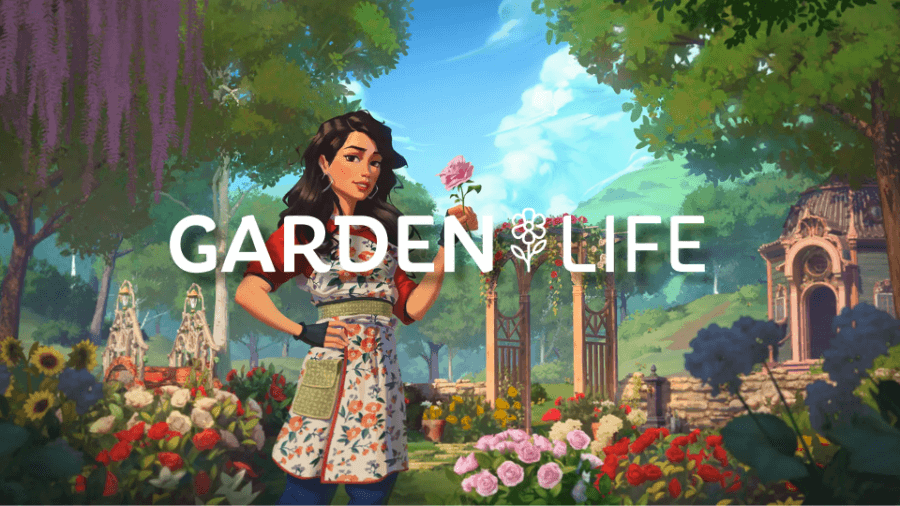
Garden Life is not a fast game. Instead, it is a calm one. It invites players into a peaceful, colourful world where growth happens slowly, and creativity leads the way. No timers are pushing you forward. There are no harsh penalties for mistakes. Instead, Garden Life focuses on relaxation, expression, and gentle progression.
This game exists for players who want to unwind. It rewards patience. It celebrates beauty. And it allows you to build your dream garden at your own pace.
What Garden Life Is All About
Garden Life is a relaxing gardening simulation game. It lets players plant flowers, nurture growth, and decorate a personal garden space. The game emphasizes calm exploration rather than competition.
Instead of rushing objectives, players enjoy the journey. You plant seeds—you water plants. You watch them grow over time. Meanwhile, you add ornaments and decorations to shape a garden that reflects your taste.
Because of this design, Garden Life feels more like a creative retreat than a traditional game.
A World Designed for Calm
The game’s world feels warm and inviting. Colours appear soft but vibrant. Environments feel alive without overwhelming the senses. Every visual choice supports relaxation.
Sound design also plays a key role. Gentle music plays in the background. Natural audio elements, like wind and birds, enhance immersion. Together, these elements create a space that feels safe and soothing.
As a result, Garden Life becomes a place players return to when they want peace.
Planting and Growing at Your Own Pace
One of the game’s strongest features is its pacing. Garden Life never rushes you. Plants grow over time, not instantly. That growth encourages patience and presence.
You choose what to plant and decide where it goes. You care for it daily or casually. The game respects your schedule.
Because of this freedom, players can treat Garden Life as a short daily ritual or a longer creative session.
Gardening Without Pressure
Many simulation games introduce stress through deadlines or optimization systems. Garden Life avoids that entirely.
There is no failure state tied to speed. There is no leaderboard nor any punishment for experimentation.
If a plant doesn’t thrive, you adjust. If a design doesn’t work, you change it. The game supports learning through calm repetition rather than pressure.
That approach makes Garden Life accessible to all players.
Decorating Your Dream Garden
Beyond planting, Garden Life focuses heavily on decoration. Ornaments allow players to deeply personalize their space.
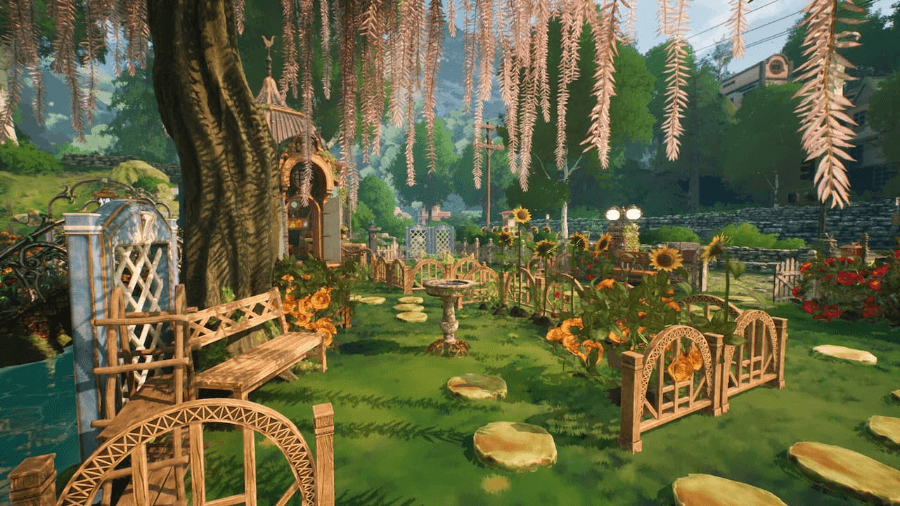
You can place benches, pathways, fences, pots, and decorative elements wherever you like. These items help turn a simple garden into a personal sanctuary.
Because decoration has no strict rules, creativity flows freely. Players can design symmetrical layouts or embrace wild, organic chaos.
Either way, the garden becomes yours uniquely.
Creativity Without Limits
Garden Life does not force a specific aesthetic. Instead, it provides tools and lets players decide how to use them.
Some players design elegant gardens filled with harmony and balance. Others create whimsical spaces packed with color and variety.
The game supports both approaches equally. There is no “right” way to play. That freedom empowers creativity.
A Cozy Game for Stress Relief
Garden Life fits perfectly into the cozy game genre. It prioritizes emotional comfort over challenge.
Players often turn to it after long days. The slow pace helps calm racing thoughts. The gentle goals provide satisfaction without tension.
Because of this, Garden Life works well as a mental break rather than a demanding experience.
Progression That Feels Natural
Although the game remains relaxed, it still offers progression. You unlock new plants, gain access to more decorations, and expand your garden space gradually.
However, progression never overwhelms the player. It unfolds naturally. You discover new content through play rather than grind.
That balance keeps the experience engaging without disrupting its calm tone.
Who Garden Life Is Perfect For
Garden Life appeals to a wide audience. Casual players enjoy its simplicity. Creative players enjoy their freedom. Cozy game fans appreciate its mood.
It also suits players who may not consider themselves gamers. The controls feel intuitive. The mechanics remain forgiving.
Because of that accessibility, Garden Life welcomes players of all ages and experience levels.
How Garden Life Stands Out from Other Gardening Games
Many gardening games focus on farming efficiency or resource management. Garden Life takes a different approach.
It removes urgency. It removes competition. And it removes pressure.
Instead, it centers on atmosphere and creativity. That choice sets it apart. It feels more like a digital zen garden than a simulation challenge.
The Emotional Experience of Playing Garden Life
Garden Life evokes calm emotions. Watching plants grow creates satisfaction. Decorating brings joy. Seeing progress builds quiet pride.
These feelings develop naturally. The game does not manipulate emotion through rewards or stress. Instead, it allows emotion to emerge through interaction.
That emotional honesty makes the experience memorable.
Playing Garden Life in Short or Long Sessions
The game adapts well to different play styles. You can log in briefly to water plants and adjust decor. Or you can spend hours designing layouts.
Because there are no strict objectives, players control their engagement level. That flexibility supports healthy gaming habits.
You play when you want. You stop when you feel content.
Garden Life and Mindful Play
Garden Life encourages mindfulness without explicitly teaching it. Players focus on small actions. They observe changes. They remain present.
Over time, this pattern fosters calm attention. The game becomes a space to slow down mentally.
In a noisy digital world, that quiet focus feels refreshing.
Why Garden Life Feels So Rewarding
The rewards in Garden Life feel earned, not forced. Growth takes time. Beauty develops gradually.
Because of that, progress feels meaningful. You remember planting a seed. You notice a change, and then you feel connected to your garden.
That sense of ownership deepens enjoyment.
Accessibility and Inclusivity
Garden Life avoids complexity barriers. Controls remain simple. Mechanics remain forgiving.
Players do not need fast reflexes or advanced gaming knowledge. That inclusivity makes the game welcoming.
It also ensures that relaxation stays central to the experience.
The Long-Term Appeal of Garden Life
Garden Life does not burn out quickly. Its appeal comes from repetition and creativity.
Because gardens can always change, the game remains fresh. You can redesign endlessly. You can try new plant combinations.
That flexibility gives the game long-term value without pressure.
Why Garden Life Matters in Today’s Gaming Landscape
Many modern games focus on competition, intensity, or endless progression. Garden Life offers an alternative.
It reminds players that games can feel good. They can exist to soothe rather than excite.
That role feels increasingly important.
Conclusion
Garden Life is a relaxing gardening game built around peace, creativity, and personal pace. It invites players to plant, decorate, and enjoy a colourful world without pressure.
Through gentle mechanics and calming design, the game creates a safe space for creativity. It rewards patience. It encourages expression. And it supports relaxation.