📑Table of Contents:
- Early Life And Entry Into Acting
- Breakthrough With A Little Romance
- The Outsiders And 1980s Stardom
- Career Setbacks And Strategic Pause
- Resurgence With Unfaithful
- Why Unfaithful Changed Everything
- Expanding Into Romantic Drama And Literary Adaptations
- Transition Into Blockbusters
- Acting Style And On-Screen Presence
- Navigating Aging In Hollywood
- Personal Life And Public Balance
- Awards, Recognition, and Industry Respect
- Why Diane Lane Remains Relevant
- Lessons From Diane Lane’s Career
- Conclusion
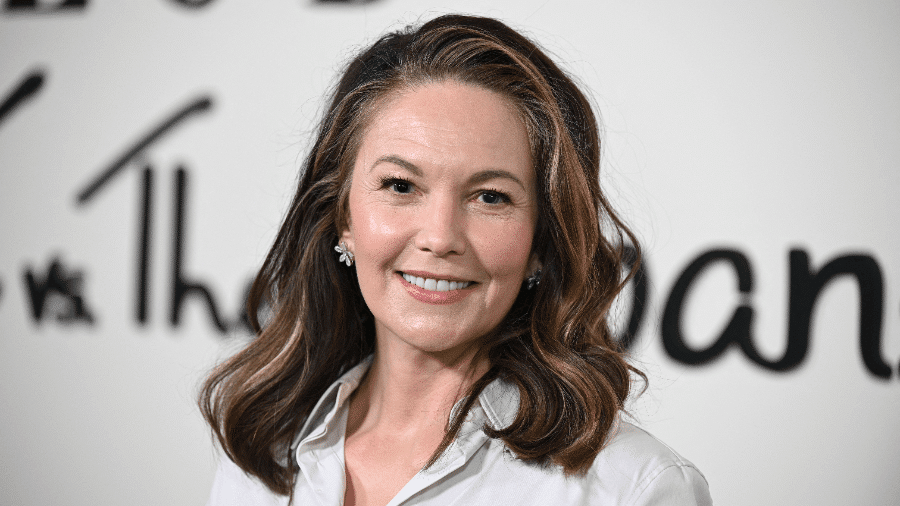
Diane Lane has worked in Hollywood for more than four decades. However, longevity alone does not explain her impact. Instead, her career stands out because she evolved with the industry while maintaining emotional depth and credibility. Consequently, she moved from child actress to award-nominated leading lady without losing artistic control.
Many actors peak early and struggle to adapt. Diane Lane, however, built her career in chapters. Each chapter reflects a different phase of Hollywood and of her own growth. Therefore, understanding her story requires looking at the early breakthrough, the quieter middle years, and the powerful resurgence that redefined her public image.
This in-depth profile explores Diane Lane’s early beginnings, defining roles, career pivots, awards recognition, and continued relevance.
Early Life And Entry Into Acting
Diane Lane was born in New York City in 1965. Because she grew up in a creative environment, performance entered her life early. She began acting professionally as a child, first appearing in theatre productions before transitioning into film.
Unlike many child actors, Lane approached early roles with serious focus. Moreover, she displayed natural emotional intelligence on screen. As a result, casting directors quickly noticed her ability to convey maturity beyond her years.
Her early start gave her both opportunity and pressure. However, instead of burning out, she used those early years as a training ground.
Breakthrough With A Little Romance
Diane Lane’s breakout role came in 1979 with A Little Romance. At just 14 years old, she carried a film that required nuance, charm, and vulnerability. Therefore, audiences immediately recognized her screen presence.
Critics praised her performance, and Hollywood labeled her a rising star. However, early acclaim can create unrealistic expectations. Consequently, Lane faced the challenge of growing up publicly while protecting her craft.
This early success established her as a serious performer, not simply a child novelty.
The Outsiders And 1980s Stardom
In 1983, Diane Lane appeared in The Outsiders, directed by Francis Ford Coppola. The film featured an ensemble cast of young actors who later became major stars. Because of that lineup, the project became culturally significant.
Lane’s role, though not central, placed her at the center of a defining cinematic moment. Moreover, she demonstrated a grounded performance that balanced the intensity of the film’s male-driven narrative.
However, the rapid fame of the 1980s did not translate into uninterrupted dominance. Instead, Lane experienced a career slowdown during the late 1980s. That period tested her resilience.
Career Setbacks And Strategic Pause
After early success, Diane Lane encountered uneven film choices and projects that failed commercially. While some actors respond to setbacks with desperation, Lane chose recalibration.
She stepped back from high-visibility projects and focused on rebuilding credibility. Consequently, she avoided overexposure and gradually regained artistic footing.
This period matters because it reveals discipline. Rather than chasing relevance, she rebuilt carefully. That patience later paid off.
Resurgence With Unfaithful
Diane Lane’s career resurgence arrived with the 2002 film Unfaithful. In this psychological drama, she portrayed a suburban wife navigating desire, guilt, and consequence. The role demanded emotional complexity and vulnerability.
Lane delivered one of the strongest performances of her career. Moreover, she balanced subtlety with intensity, allowing audiences to feel both empathy and discomfort.
As a result, she received major award nominations, including an Academy Award nomination for Best Actress. This recognition transformed her public image from that of a former child star to that of a serious adult performer.
Why Unfaithful Changed Everything
Unfaithful did more than earn awards and attention. It repositioned Diane Lane as a leading woman capable of anchoring mature, emotionally layered narratives.
Additionally, the film proved she could carry commercial projects while maintaining artistic depth. Consequently, studios began offering more substantial roles.
The performance also highlighted her ability to portray internal conflict without melodrama. That skill became central to her later work.
Expanding Into Romantic Drama And Literary Adaptations
Following her resurgence, Diane Lane starred in romantic dramas and literary adaptations that emphasized emotional realism. Films such as Under the Tuscan Sun allowed her to explore themes of reinvention and personal rediscovery.
These roles resonated strongly with audiences, especially women navigating midlife transitions. Therefore, Lane developed a loyal demographic following.
Moreover, these films balanced commercial appeal with character-driven storytelling. As a result, she maintained both box office presence and critical respect.
Transition Into Blockbusters
Diane Lane later entered blockbuster territory with roles in major franchise films. Notably, she portrayed Martha Kent in the DC Extended Universe films centered on Superman.
This transition demonstrated flexibility. While some actors resist franchise work, Lane embraced it without sacrificing credibility. Additionally, she brought warmth and gravitas to a supporting role that could easily feel secondary.
By participating in large-scale productions, she introduced herself to younger audiences while preserving her dramatic identity.
Acting Style And On-Screen Presence
Diane Lane’s acting style emphasizes restraint and emotional intelligence. She rarely overplays scenes. Instead, she allows silence and subtle facial shifts to communicate complexity.
Because she trusts the audience to observe, her performances feel intimate. Moreover, she understands pacing. She builds emotion gradually rather than rushing to dramatic peaks.
This approach aligns well with mature storytelling. Consequently, directors continue casting her in roles that require depth rather than spectacle.
Hollywood often marginalizes actresses as they age. However, Diane Lane defied that pattern by embracing roles that reflect maturity rather than denying it.
Instead of competing with younger archetypes, she leaned into complexity. Therefore, her later-career performances feel grounded and confident.
Additionally, she speaks publicly about aging with acceptance. This attitude reinforces her professional choices. Consequently, she models sustainability rather than denial.
Personal Life And Public Balance
Diane Lane’s personal life has included high-profile relationships and marriages. However, she has maintained relative privacy compared to many contemporaries.
By limiting oversharing, she protected both her career and her well-being. Moreover, she kept her work central to her public identity.
This balance demonstrates strategic self-management. It also explains her longevity.
Awards, Recognition, and Industry Respect
While Diane Lane has not accumulated multiple Oscars, her nominations and critical acclaim signal deep industry respect. Awards represent recognition of skill, not merely popularity.
Additionally, she consistently earns praise for supporting roles that elevate ensemble casts. That consistency builds a reputation.
Industry respect often sustains longer than headlines. Therefore, Lane’s career reflects steady credibility rather than fluctuating hype.
Why Diane Lane Remains Relevant
Relevance in Hollywood often depends on reinvention. Diane Lane mastered that art without dramatic image shifts. Instead, she adjusted gradually with each decade.
She moved from youthful romantic roles to psychologically complex characters. Then, she transitioned into maternal figures and authority roles in major productions.
Because she evolved naturally, audiences followed willingly. Consequently, she avoided the jarring pivots that derail many careers.
Lessons From Diane Lane’s Career
Several lessons emerge from Diane Lane’s professional journey.
First, early success does not guarantee permanence.
Second, setbacks can become recalibration opportunities.
Third, emotional authenticity builds lasting audience trust.
Finally, embracing maturity can strengthen rather than weaken a career.
These lessons extend beyond acting. They apply to any profession shaped by public perception.

Conclusion
Diane Lane’s career illustrates resilience, adaptability, and sustained artistic integrity. She began as a child performer, navigated early fame, faced setbacks, and then reemerged stronger through defining adult roles. Moreover, she embraced maturity without apology, which strengthened her long-term presence.
Today, Diane Lane stands as an example of how talent combined with strategic patience can create a four-decade career. While trends shift and industries evolve, authenticity remains powerful. And in that regard, Diane Lane continues to thrive.