📑Table of Contents:
- Early Life and Family Background
- Education and Personal Development
- Stepping Into Public Life
- Business Ventures and Entrepreneurship
- High-Profile Relationships and Media Attention
- Motherhood and Work–Life Balance
- Controversies and Public Scrutiny
- Philanthropy and Personal Values
- Style, Branding, and Public Influence
- Navigating Legacy and Personal Identity
- Public Perception and Media Evolution
- Conclusion
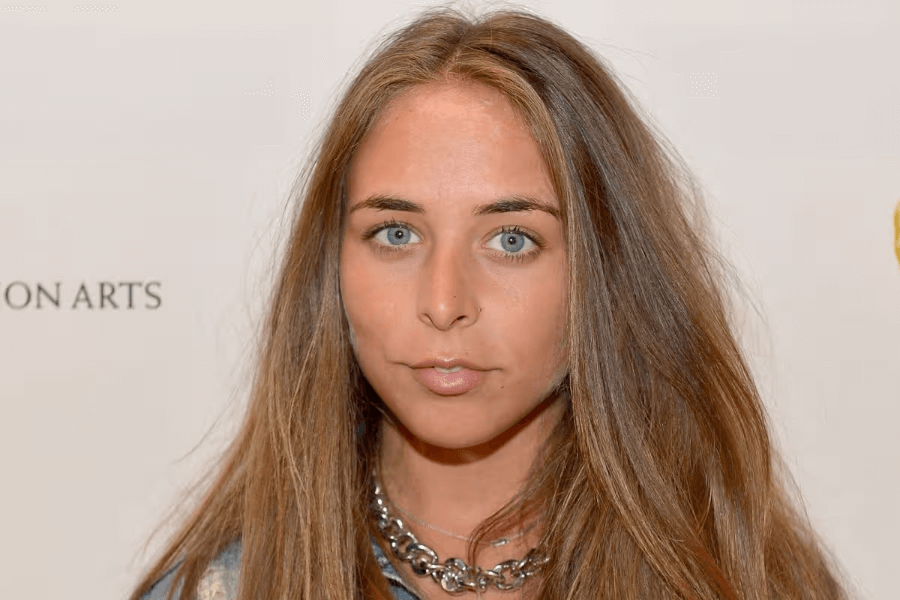
Chloe Green occupies a fascinating position at the intersection of fashion legacy and modern celebrity culture. As the daughter of British retail magnate Sir Philip Green, she inherited not only substantial wealth but also a network of influence that shaped her early public identity. However, she has also worked to create her own path beyond inherited status — exploring business ventures, social visibility, and personal branding along the way.
In recent years, Chloe’s life has attracted attention not only for her lineage but also for her business projects, high-profile relationships, and media presence. Rather than remain defined solely by her family’s legacy, she has navigated both opportunities and challenges with a mix of entrepreneurial spirit and personal resilience. Accordingly, this in-depth article explores her background, career pursuits, public persona, achievements, controversies, and the ways she continues to forge her own place in contemporary culture.
Early Life and Family Background
Chloe Green was born on March 21, 1987, in England, into one of the country’s most prominent retail families. Her father, Sir Philip Green, built the Arcadia Group into one of the U.K.’s most recognizable fashion empires, overseeing brands such as Topshop, Topman, Miss Selfridge, and Dorothy Perkins. Consequently, Chloe grew up surrounded by both business influence and high-profile social circles.
From a young age, she experienced an environment where commerce and public attention coexisted. Social events, industry figures, and philanthropic initiatives were often intertwined with her upbringing. Because of this environment, she became adept at navigating public visibility from an early age.
However, she also encountered the pressures that sometimes accompany wealth and expectation. While some heirs to family empires choose anonymity, Chloe stepped into public view with confidence — partly because of her upbringing and partly because she chose to engage with the media and business opportunities on her own terms.
Education and Personal Development
Unlike many individuals born into wealth who avoid formal training, Chloe pursued an education that equipped her for independent ventures. She attended Francis Holland School, an exclusive girls’ school in London, and later continued her studies in business-related disciplines. Her education exposed her to both academic rigor and social networks that extended beyond her family’s immediate influence.
During her formative years, she honed skills that would later inform her entrepreneurial efforts. Moreover, her education helped her navigate corporate, legal, and branding environments with confidence. Rather than solely relying on privilege, she understood the importance of knowledge as a foundation for influence.
Furthermore, she cultivated a global perspective by traveling extensively and engaging with cultural experiences beyond the U.K. These experiences broadened her understanding of markets, consumer trends, and international media — all of which would later inform her business decisions.
Stepping Into Public Life
Chloe Green first gained public attention not primarily through business but through social presence. Because her family dominated conversations in the British fashion business, the media often tracked her appearances at high-profile events, red carpets, and fashion shows. Consequently, she became a recognizable figure within the U.K. social scene.
However, Chloe’s public identity did not remain confined to party photos or social columns. She deliberately expanded her visibility into business ventures and media projects. By thoughtfully embracing her public profile, she transformed visibility into a platform for her own voice rather than simply a reflection of her family’s legacy.
Her early professional appearances signaled a transition from socialite to entrepreneur with intention.
Business Ventures and Entrepreneurship
While her father’s legacy provided financial resources, Chloe Green pursued business projects that allowed her to explore her creative interests and commercial instincts. One of her most notable ventures was the launch of her own fashion label. Funded initially through personal capital, the brand aimed to reflect her aesthetic sensibilities rather than replicate her father’s retail empire.
Through this endeavor, she worked with designers, marketers, and product developers to build a brand identity that connected with contemporary consumers. Although the fashion market remains highly competitive, her willingness to collaborate with industry professionals demonstrated strategic thinking and creative ambition.
In addition to fashion, she explored opportunities in real estate and lifestyle branding. Rather than limit herself to the expected inheritance model, she approached business as an arena for experimentation and personal expression. This approach diversified her portfolio and expanded her experience across different sectors.
High-Profile Relationships and Media Attention
Public interest in Chloe Green intensified when her personal life intersected with the world of celebrity. Most prominently, her long-term relationship with English football star Olivier Giroud — and later with other public figures — placed her in international headlines beyond British social pages.
These relationships often fueled media speculation, not only about romance but also about lifestyle choices and personal branding. While some coverage focused on glamour and wealth, others centered on interpersonal dynamics and societal expectations. Because public attention often fails to respect privacy, Chloe’s experience exemplifies the tension between personal life and public fascination.
Despite intrusive headlines, she endeavored to manage her public image with maturity. Rather than amplify drama for attention, she maintained a degree of discretion while engaging with media platforms professionally.
Motherhood and Work–Life Balance
Chloe Green’s journey also includes the transition into motherhood, which brought both joy and additional life responsibilities. As she expanded her family, she continued to balance business ventures with parental priorities.
Motherhood added depth to her public narrative, revealing different dimensions of her identity beyond fashion and social life. In interviews and public appearances, she sometimes spoke about the importance of family, highlighting how her role as a parent shaped her long-term goals. Moreover, her experience resonated with audiences who value stories about balancing professional ambition with family life.
In this way, her public persona expanded from wealthy heiress to multi-dimensional figure navigating contemporary womanhood.
Controversies and Public Scrutiny
Like many individuals in the public eye, Chloe faced controversies that attracted tabloid coverage. Because her father’s business dealings and legal challenges occasionally surfaced in the press, she sometimes found herself associated with narratives she did not directly control.
Additionally, media scrutiny about her lifestyle choices, spending habits, and relationships fueled public debate about privilege and responsibility. Some critics framed her actions through reductive stereotypes that emphasized wealth over personal achievement.
However, Chloe responded by focusing on her own path rather than engaging in back-and-forth with critics. Her approach — grounded in productivity rather than reactive commentary — allowed her to maintain a sense of agency amid public scrutiny.
Philanthropy and Personal Values
Beyond business and social life, Chloe has also participated in philanthropic activities. Individuals on her platform often find opportunities to support causes that align with their personal values, and she uses her influence to highlight charitable initiatives.
Whether supporting community events, educational campaigns, or health-related causes, she demonstrated a willingness to leverage visibility for positive impact. Although some critics view philanthropy skeptically when associated with wealth, her engagement reflects a broader effort to connect influence with responsibility.
Moreover, philanthropy enabled her to build networks beyond commercial circles, reinforcing her presence in community-oriented spaces.
Style, Branding, and Public Influence
Chloe Green’s public image extends into fashion, aesthetic identity, and lifestyle influence. Because she grew up immersed in retail culture, she developed an intuitive sense of style that often appears in editorial spreads and social media presence.
Her public style blends contemporary trends with classic influences, and she often appears at fashion events that align with both her business interests and personal taste. As a result, she maintains relevance not only as a figure of wealth but as a participant in fashion culture.
Furthermore, her approach to branding balances personal expression with professional strategy. Rather than rely solely on family name recognition, she cultivates her identity through curated appearances and thoughtful engagement with influencers and media professionals.
One of the most compelling aspects of Chloe Green’s story involves how she navigates legacy alongside personal ambition. Many heirs to family empires struggle to define their identity apart from inherited influence. However, Chloe approached this tension consciously.
Rather than replicate her father’s business empire, she diversified into areas that interest her personally. By doing so, she demonstrated that legacy can be a resource without being a constraint. Moreover, her willingness to take risks — whether in fashion ventures, lifestyle branding, or philanthropy — reflects an entrepreneurial mindset rooted in curiosity and agency.
Her story exemplifies how individuals with inherited privilege can still carve unique paths with intention and purpose.
Public Perception and Media Evolution
Public perception of Chloe Green has evolved. Early coverage often focused on her socialite appearances and family name. However, as she engaged in business projects, motherhood, and personal branding, the media narrative broadened.
Many outlets now describe her as a businesswoman and public figure rather than simply a celebrity heiress. While headlines still occasionally reference her family background, increasing attention is now focused on her individual projects.
This shift reflects both her conscious efforts and the changing media landscape, in which audiences value narratives about multidimensional women navigating modern life.

Conclusion
Chloe Green’s story encompasses far more than wealth or inherited status. Her life reflects a blend of legacy, personal growth, entrepreneurial exploration, and public navigation. From early exposure to fashion and business environments to her own ventures into branding, motherhood, and philanthropy, she has worked to define her identity on her own terms.
While media fascination may always highlight certain aspects of her life, a deeper look reveals a multi-faceted individual who continues to pursue opportunities with intention. Whether through business, family life, or stylistic influence, she maintains both agency and resilience in the public sphere.
Ultimately, Chloe Green’s journey represents not only the privileges associated with family legacy but also the challenges and opportunities of forging a personal path in the modern world. This narrativecontinues to evolve with each new chapter.