📑Table of Contents:

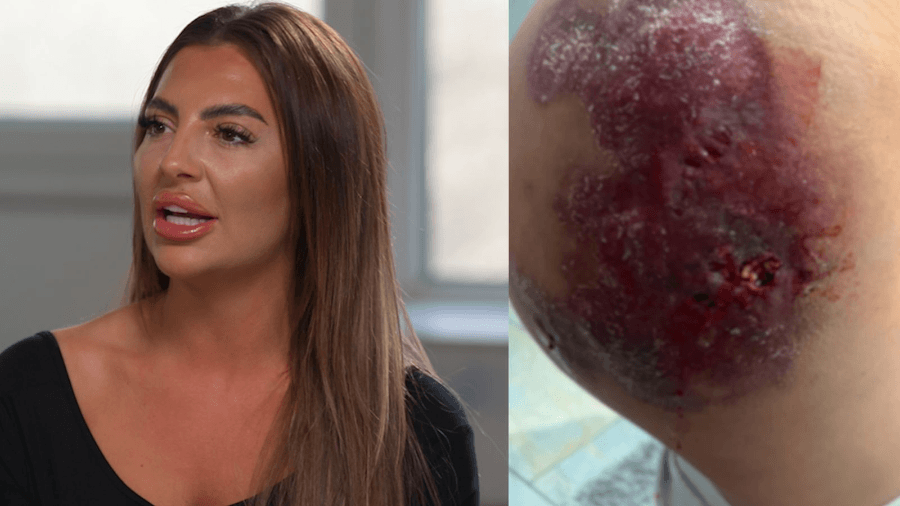
A “botched BBL” is one of those phrases people use loosely, yet it can describe very different problems. Sometimes it refers to an aesthetic disappointment, such as asymmetry, lumpiness, or an unnatural shape. However, in more serious cases, it points to true medical complications like infection, tissue injury, fat necrosis, or even pulmonary fat embolism. Therefore, any honest discussion of a botched BBL has to separate disappointing cosmetic results from dangerous surgical outcomes.
That distinction matters because a Brazilian butt lift, or gluteal fat grafting, is not a minor beauty treatment. It combines liposuction with fat transfer to the buttocks, which means the procedure carries both contouring risks and grafting risks.
Moreover, major plastic surgery societies have repeatedly warned that BBLs carry significant safety concerns compared with many other elective cosmetic procedures, especially when surgeons inject fat too deeply or work in unsafe, high-volume settings.
What A Botched BBL Usually Means
In everyday conversation, people often call any poor BBL result “botched.” However, that umbrella term covers several distinct categories.
First, there are cosmetic problems. These include uneven volume, an odd silhouette, dimpling, overfilling, underfilling, or a shape that does not match the patient’s body. Additionally, some patients lose more transferred fat than expected, which can flatten the result and create disappointment even when the surgery itself was technically safe.
Second, there are recovery-related complications. These include seroma, hematoma, persistent swelling, numbness, poor wound healing, skin loss, and infection. While not every complication becomes catastrophic, these issues can still lead to pain, scarring, extra procedures, and long-term dissatisfaction.
Third, there are life-threatening complications. The most feared is pulmonary fat embolism, which can happen when fat enters injured veins and travels to the lungs or heart. Because of that risk, multiple professional societies have spent years tightening BBL safety recommendations and urging surgeons to keep fat injection in the subcutaneous layer above the gluteal fascia.
Why BBLs Carry Unusual Risk
A BBL uses the patient’s own fat, so many people assume it must be safer than implant-based surgery. In some ways, that sounds intuitive. Nevertheless, the danger lies in where that fat goes and how the surgeon places it. If fat enters or passes beneath the muscle, it can reach large gluteal veins and trigger fatal embolic events. Autopsy findings cited by the multisociety task force repeatedly linked deaths to fat in the muscle or beneath it, not fat placed only in the subcutaneous space.
Moreover, the procedure’s safety record forced a serious response from the plastic surgery field. The 2018 multisociety advisory described an estimated death rate of roughly 1 in 3,000 and called BBL the highest-risk aesthetic procedure at that time. Later literature cited a U.S. mortality estimate closer to 1 in 4,000 for a defined period, while newer surgeon-survey work still concluded that BBL fatalities remained high enough to warrant stronger safeguards.
As a result, current safety guidance emphasizes subcutaneous-only injection, real-time ultrasound to verify cannula position, proper surgeon training, and limits on high-volume same-day cases. Professional societies have also backed rules aimed at reducing fatigue, distraction, and unsafe assembly-line surgery models.
The Most Common Signs Of A Botched BBL
Not every abnormal recovery means disaster. Swelling, bruising, soreness, slight drainage, and the need to avoid direct sitting early in recovery are expected parts of the process. Cleveland Clinic notes that the first several days are often the most painful and that full recovery can take months.
However, some warning signs deserve attention right away. These include:
- Sudden shortness of breath or chest pain
- Severe or worsening pain instead of gradual improvement
- Fever, foul drainage, or spreading redness
- Skin darkening, breakdown, or delayed wound healing
- Hard lumps, major asymmetry, or significant contour collapse
- Persistent numbness or major changes in skin sensation
Therefore, a “botched” result is not only about appearance. If someone develops breathing difficulty, dizziness, or signs of systemic illness after a BBL, they need urgent medical evaluation rather than social-media reassurance.
Why Botched BBLs Happen
Poor outcomes usually do not come from one single mistake. Instead, they tend to reflect a chain of bad decisions, bad technique, or bad systems.
The first major cause is unsafe injection depth. When surgeons inject into or below the muscle, the risk of fat embolism rises sharply. Consequently, modern safety guidance treats superficial, subcutaneous placement as essential rather than optional.
The second cause is high-volume, low-cost clinic culture. Recent society statements and surgeon surveys repeatedly flagged budget clinics, untrained staff, concurrent surgery practices, and pressure to move quickly as major contributors to patient harm. In addition, the 2022 advisory specifically supported limits on daily case volume and opposed critical portions of surgery being handed to non-surgeon assistants.
The third cause is poor planning. Some patients simply are not ideal candidates. A safe BBL requires enough donor fat, realistic expectations, and good physical and mental health. Moreover, aggressive overfilling can backfire both aesthetically and biologically because transferred fat requires a blood supply to survive. When surgeons place too much fat in a poorly supported area, fat necrosis, hardening, and uneven take can follow.
What Revision Can and Cannot Fix
When a BBL goes wrong, many people immediately search for revision surgery. However, revision is not a magic eraser. If the problem is contour irregularity, asymmetry, or poor fat survival, an experienced revision surgeon may improve shape with targeted liposuction, fat grafting, or scar management. Still, surgeons often recommend waiting until swelling settles and tissues stabilize before planning a secondary operation.
Moreover, revision cannot erase every consequence of a poorly performed first surgery. Skin quality, scar burden, fat necrosis, and tissue damage can limit what even a skilled surgeon can restore. Therefore, the best “fix” for a botched BBL is prevention, not revision.
How Patients Lower The Risk
Patients cannot control every variable, but they can dramatically improve their odds by choosing carefully. The strongest recurring advice from ASPS, The Aesthetic Society, and academic guidance is clear: choose a properly trained, board-certified plastic surgeon who performs the procedure in an accredited setting and follows modern safety protocols, including subcutaneous-only injection and ultrasound-assisted technique.
Additionally, patients should ask direct questions:
- Are you certified by the American Board of Plastic Surgery?
- Do you perform the fat injection yourself?
- Do you use real-time ultrasound during injection?
- How many BBLs do you perform, and what is your complication rate?
- Is the surgery center accredited?
Just as importantly, price should never be the main filter. Discount clinics may sound appealing, yet repeated safety warnings urge patients to be extremely cautious about facilities that prioritize volume over judgment.

Final Thoughts
A botched BBL is not one thing. Sometimes it means an unsatisfying cosmetic result. However, it can sometimes indicate a genuine medical emergency. That is why the topic deserves more than sensational before-and-after talk. It requires a clear understanding of anatomy, surgeon training, facility standards, and the real consequences of cutting corners.
Ultimately, the safest way to think about a BBL is not as a trend, but as major surgery with unusually serious stakes. And because the best available guidance keeps pointing to the same conclusion, patients should take it seriously: the right surgeon, the right setting, and the right technique matter far more than hype, speed, or price.