📑Table of Contents:
- Understanding Black Hair Dye Shades
- Types of Black Hair Dye
- The Science Behind Black Dye
- Preparing Your Hair Before Dyeing
- Step-by-Step Application Process
- Maintenance and Aftercare
- Common Mistakes to Avoid
- Removing or Lightening Black Hair Dye
- Who Should Choose Black Hair Dye?
- Black Hair Dye and Hair Health
- Cultural and Style Influence
- Conclusion
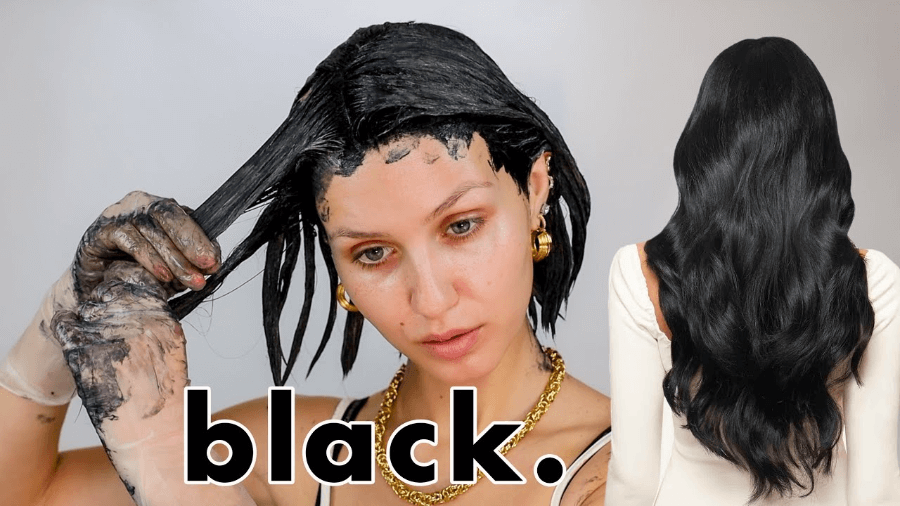
Black hair dye remains one of the boldest and most transformative color choices available. While many people experiment with highlights or subtle browns, others prefer the dramatic depth of black. Because black creates immediate contrast and shine, it often delivers a striking visual impact.
However, achieving the perfect black requires more than choosing the darkest box on the shelf. Instead, you must consider undertones, formulation, hair health, and long-term maintenance. Moreover, black dye behaves differently from lighter shades, especially when it comes to fading and removal.
In this comprehensive guide, we explore everything you need to know about black hair dye. From types and application techniques to aftercare and common mistakes, this article equips you with practical and science-backed insights.
Understanding Black Hair Dye Shades
Although black may seem like a single color, it actually comes in several variations. Therefore, choosing the right tone is crucial to achieving a flattering result.
Jet black delivers intense depth and shine. Because it contains blue undertones, it often appears cooler and more dramatic. Consequently, it works well for individuals who prefer high-contrast, glossy finishes.
Soft black, on the other hand, looks slightly more natural. While still dark, it avoids the stark intensity of jet black. As a result, it suits those transitioning from dark brown.
Blue-black introduces noticeable cool undertones. Under sunlight, it reflects subtle sapphire hues. Therefore, it appeals to those seeking an edgy aesthetic.
Meanwhile, natural black focuses on neutral undertones. Because it mimics genetically dark hair, it blends seamlessly with many complexions.
Thus, understanding undertones helps prevent unwanted results.
Types of Black Hair Dye
Before applying black dye, you must select the right formula. Each type interacts differently with hair structure.
Permanent black dye penetrates the hair shaft deeply. Because it alters the natural pigment, it delivers long-lasting results. However, it also requires commitment.
Semi-permanent dye coats the outer layer of hair. Therefore, it fades gradually with washing. While less damaging, it may require frequent reapplication.
Demi-permanent dye sits between permanent and semi-permanent options. It uses a low-volume developer. Consequently, it enhances depth without fully lifting natural pigment.
Additionally, temporary black dye offers short-term color. Because it washes out quickly, it suits events or experimentation.
Thus, your lifestyle and maintenance preferences should guide your choice.
The Science Behind Black Dye
Hair color depends on melanin, the pigment inside each strand. When you apply permanent dye, chemical reactions occur. First, ammonia opens the hair cuticle. Then, the developer activates the color molecules.
Because black dye contains dense pigment, it saturates the hair shaft thoroughly. Consequently, it often appears shinier than lighter shades.
However, this density also makes removal difficult. Unlike blonde or pastel dyes, black embeds deeply. Therefore, correcting unwanted black often requires professional lightening treatments.
Understanding this science helps manage expectations.
Preparing Your Hair Before Dyeing
Preparation significantly affects results. Therefore, you should never rush the process.
First, assess hair condition. If strands feel dry or brittle, strengthen them with protein treatments beforehand. Because damaged hair absorbs pigment unevenly, prep ensures uniform color.
Second, clarify your hair. Remove product buildup to ensure the dye penetrates evenly. However, avoid washing immediately before dyeing, as natural oils protect the scalp.
Additionally, conduct a patch test. Because some dyes contain para-phenylenediamine (PPD), allergic reactions can occur.
Therefore, careful preparation reduces risk and enhances color payoff.
Step-by-Step Application Process
Applying black dye requires precision. Although many people dye their hair at home, the technique determines longevity and shine.
First, divide hair into sections. Because black pigment stains easily, apply petroleum jelly around the hairline.
Next, mix the dye according to the instructions. Then apply evenly from roots to ends. However, if you’re refreshing previously dyed hair, apply color only to the regrowth initially.
After saturating each section, gently massage to distribute the pigment. Consequently, coverage becomes uniform.
Allow processing time as directed. Although leaving dye longer may seem beneficial, it rarely improves results. Instead, it can increase dryness.
Finally, rinse thoroughly with cool water. Because cool water seals the cuticle, it locks in shine.
Maintenance and Aftercare
Maintaining black hair requires strategic care. While black appears glossy initially, it can fade into dull brown if neglected.
First, use sulfate-free shampoo. Because sulfates strip pigment, they accelerate fading.
Second, limit washing frequency. Washing two to three times weekly preserves richness. Moreover, dry shampoo extends the time between washes.
Additionally, incorporate color-depositing conditioners. These refresh depth without full re-dyeing.
Protect hair from sun exposure. Because UV rays oxidize pigment, they can lighten black hair over time.
Furthermore, apply heat protectant before styling. Excessive heat damages cuticles, reducing shine.
Therefore, consistent aftercare ensures long-lasting intensity.
Common Mistakes to Avoid
Many individuals underestimate the permanence of black dye. Therefore, they apply it impulsively. However, reversing black requires bleaching, which damages hair.
Another mistake involves skipping strand tests. Because undertones vary, results can differ from box images.
Additionally, overlapping dyes repeatedly lead to buildup. Consequently, hair becomes overly saturated and brittle.
Using harsh shampoos also shortens the lifespan of color. Instead, opt for gentle cleansing formulas.
Thus, thoughtful planning prevents costly corrections.
Removing or Lightening Black Hair Dye
Although black dye delivers a bold impact, some people eventually seek change. However, removing black proves challenging.
Color removers can shrink the molecules of artificial pigments. Because these treatments avoid bleach, they cause less damage. Yet, they may require multiple sessions.
Bleaching offers stronger results. However, it lifts both natural and artificial pigments. Therefore, it demands professional expertise.
Gradual fading through clarifying shampoos provides mild lightening. However, results take time.
Consequently, commitment should precede application.
Who Should Choose Black Hair Dye?
Black hair dye suits many skin tones. However, undertone matching remains essential.
Cool complexions often pair well with blue-black. Meanwhile, warm undertones complement natural black.
Additionally, black enhances facial features dramatically. Because it creates contrast, it highlights eyes and bone structure.
However, individuals with very light brows may need brow tinting to balance their brows.
Therefore, consult a stylist if unsure.
Black Hair Dye and Hair Health
While black dye does not inherently damage hair more than other permanent colors, improper care increases the risk.
Overprocessing weakens strands. Therefore, space out touch-ups every four to six weeks.
Deep conditioning restores moisture. Additionally, protein masks rebuild strength.
Healthy hair reflects light better. Consequently, shine amplifies the richness of black pigment.
Thus, prioritize scalp and strand health alongside aesthetics.
Cultural and Style Influence
Black hair often symbolizes elegance and boldness. From classic Hollywood icons to modern fashion influencers, glossy black strands project confidence.
Moreover, black pairs well with vibrant fashion choices. Because it serves as a neutral base, it enhances bold makeup and clothing.
Additionally, subcultures such as goth and punk embrace jet-black intensity. Meanwhile, minimalist aesthetics prefer natural black.
Therefore, black hair transcends trends while adapting to personal style.

Conclusion
Black hair dye offers a dramatic transformation and timeless sophistication. However, achieving and maintaining flawless results requires preparation, informed choices, and consistent care.
Because black pigment penetrates deeply, commitment matters. Moreover, understanding undertones and formulas prevents disappointment.
When applied correctly and maintained thoughtfully, black hair radiates shine and strength. Therefore, whether you seek bold reinvention or polished elegance, black hair dye remains a powerful and enduring choice.